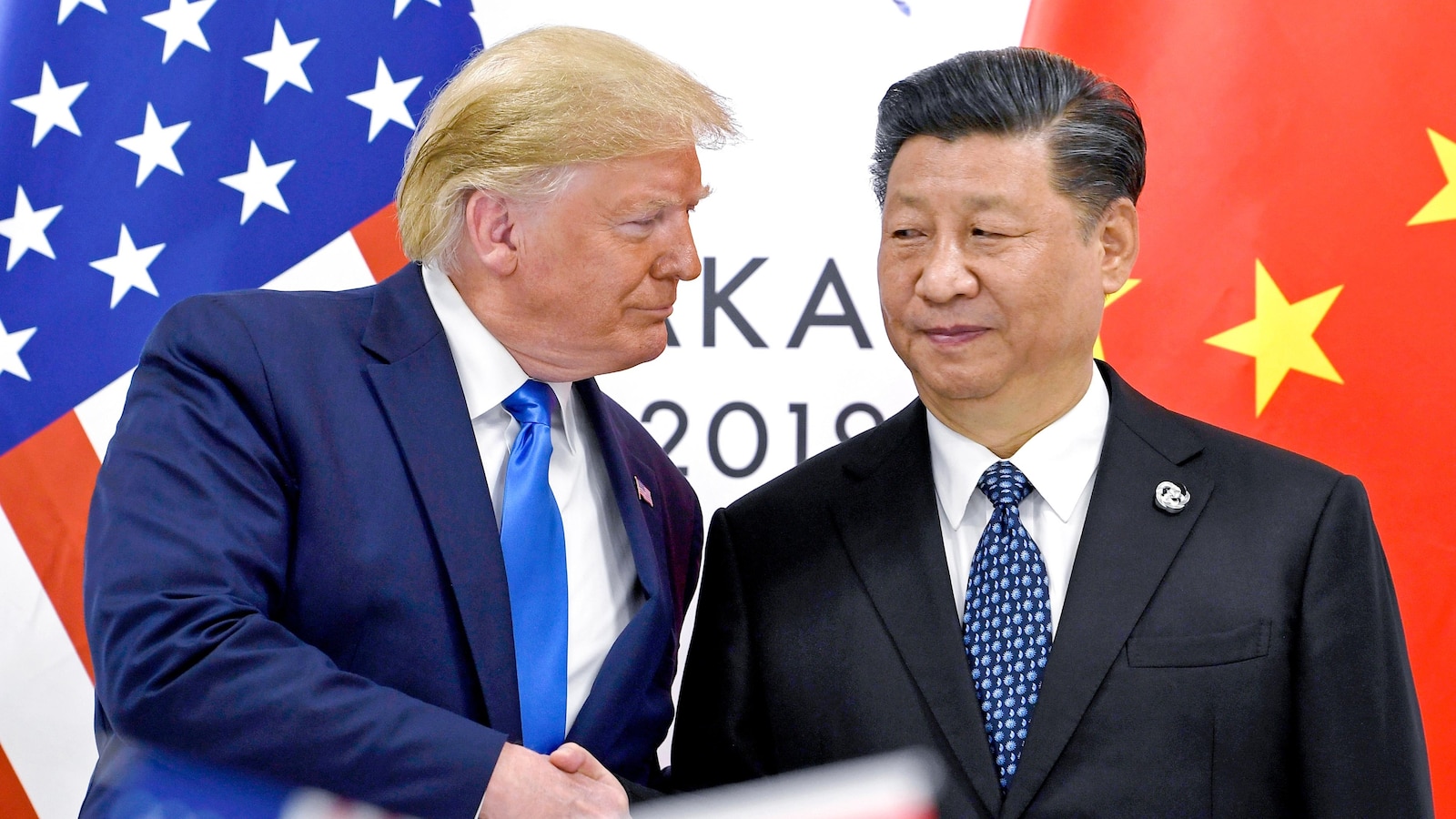
How China Evolved Its Trade Strategy in Response to Trump’s Tariffs
As the global trade landscape evolves, particularly in the wake of the tariffs imposed by the Trump administration, China has been compelled to adapt its trade strategy significantly. This article delves into the multifaceted approaches China has undertaken to safeguard its economy while maintaining a competitive edge in international markets.
The Initial Impact of Trump’s Tariffs
In 2018, the Trump administration launched a trade war with China, imposing tariffs on a wide range of goods. These tariffs were aimed at reducing the trade deficit between the two nations and addressing what the U.S. characterized as unfair trade practices by China. The initial 25% tariffs on $34 billion worth of goods quickly escalated, leading to a total of approximately $360 billion in tariffs by 2020.
The immediate effects were palpable. China faced increased costs for exported goods, which threatened to diminish its manufacturing sector’s competitiveness. In response, the Chinese government needed to rethink its trade strategies and implement measures to counteract the negative effects of these tariffs.
Strategic Adaptations by China
China’s response to Trump’s tariffs can be categorized into several strategic adaptations:
- Diversification of Trade Partners: China began to seek new markets to mitigate dependence on the U.S. This involved strengthening ties with countries in Southeast Asia, Africa, and Europe. Notably, the Regional Comprehensive Economic Partnership (RCEP), signed in late 2020, provided a platform for enhanced trade cooperation among Asia-Pacific countries.
- Investment in Domestic Industries: To lessen the impact of tariffs, China ramped up investment in domestic industries, particularly in technology and manufacturing. Initiatives like “Made in China 2025” sought to foster innovation and upgrade production capabilities to reduce reliance on foreign technology.
- Currency Manipulation and Financial Strategies: Reports suggest that China allowed its currency, the yuan, to weaken against the dollar, making its exports cheaper and more competitive abroad. This financial maneuvering served as a buffer against tariff-induced price hikes.
- Negotiation and Diplomacy: China engaged in diplomatic efforts to negotiate tariff reductions, participating in trade talks with the U.S. and leveraging its role in international organizations to advocate for fair trade practices.
Fostering Regional Trade Relationships
The diversification of trade partners has been a cornerstone of China’s strategy. The RCEP, which includes 15 Asia-Pacific nations, represents one of the largest trade agreements in history, covering nearly one-third of the global economy. This agreement allows China to enhance its trade relationships with neighboring countries, reducing its reliance on the U.S. market.
Furthermore, China has sought to strengthen ties with the European Union (EU) and other emerging markets. By doing so, it has created a more resilient trade framework that can withstand external pressures, such as tariffs. For instance, trade agreements with countries like Japan and South Korea have opened new avenues for Chinese exports.
Domestic Innovation and Technological Advancement
Another key aspect of China’s evolved trade strategy is its focus on domestic innovation. The “Made in China 2025” initiative aims to transform China into a global leader in high-tech manufacturing. This strategy emphasizes sectors such as robotics, aerospace, and renewable energy technologies.
By investing in research and development, China seeks to reduce its dependence on foreign technology and create homegrown alternatives. This not only compensates for the loss of access to U.S. technology but also positions China as a formidable competitor in the international tech arena.
Financial Strategies and Currency Management
China’s approach to currency management has also played a significant role in its trade strategy. By allowing the yuan to depreciate, China made its exports more attractive to foreign buyers, counterbalancing the effects of tariffs. This currency manipulation, while controversial, has been an effective tool for maintaining competitiveness in global markets.
Additionally, the Chinese government has implemented financial policies to stimulate domestic consumption. By boosting consumer spending, China aims to create a more balanced economy that relies less on exports. This shift is crucial for long-term economic sustainability and resilience against external shocks.
Engaging in Global Trade Dialogues
Despite the tensions with the U.S., China has actively engaged in global trade dialogues, seeking to position itself as a champion of multilateralism. By participating in forums such as the World Trade Organization (WTO) and the G20, China has advocated for fair trade practices and has sought to highlight the benefits of open trade.
Furthermore, China has been involved in dialogues with the U.S. to negotiate tariff reductions and address trade imbalances. These talks, while often contentious, indicate China’s willingness to engage constructively with its largest trading partner.
The Future of China’s Trade Strategy
As global trade dynamics continue to shift, China’s trade strategy will likely evolve further. The lessons learned from the tariff imposition by the Trump administration have prompted an adaptive approach that emphasizes resilience, diversification, and innovation.
The ongoing geopolitical tensions, particularly with the U.S., might lead China to continue seeking new markets and enhancing its domestic capabilities. Additionally, as the world increasingly focuses on sustainability, China may pivot towards greener technologies and practices to align with global trends.
Conclusion
In conclusion, China’s evolution of its trade strategy in response to Trump’s tariffs reflects the nation’s adaptability and strategic foresight. By diversifying trade partners, investing in domestic innovation, and engaging in global dialogues, China has not only mitigated the immediate impacts of tariffs but has also laid the groundwork for a more resilient and competitive economy in the future.
As the global trade landscape continues to change, China’s response serves as a case study in strategic adaptation, highlighting the importance of flexibility and foresight in international trade.
See more CCTV News Daily