China Challenges Trump’s Tariff Claims: The Escalating Trade Debate
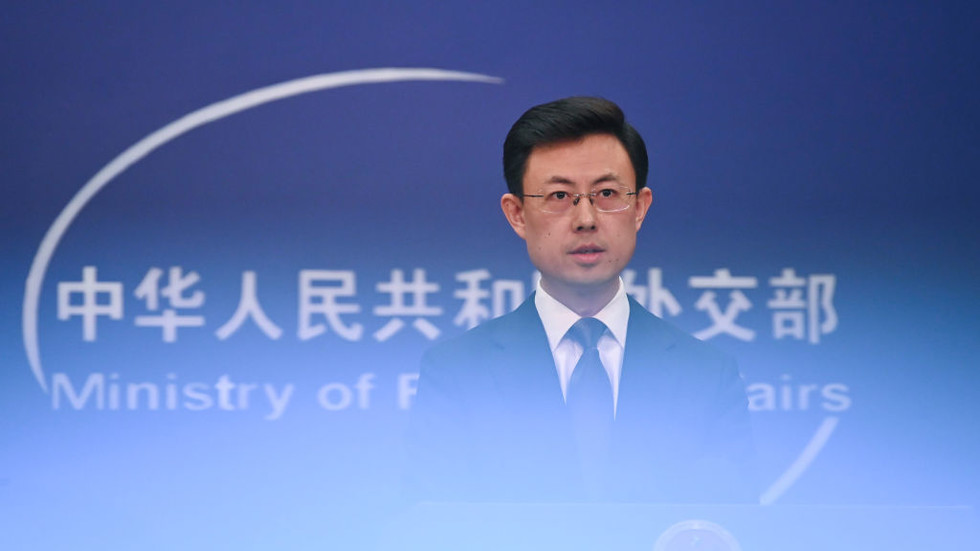
In a sharp rebuttal to former U.S. President Donald Trump’s recent tariff assertions, Chinese officials have presented a counter-narrative that could redefine bilateral trade negotiations. The exchange, unfolding this week through official statements and state media, highlights deepening tensions over economic policies that affect $650 billion in annual trade. Analysts warn this clash may signal tougher negotiations ahead as both nations vie for economic leverage.
The Core Dispute Over Tariffs and Trade Imbalances
At the heart of the controversy lies Trump’s claim that his administration’s 2018-2019 tariffs forced China to “pay billions” to the U.S. Treasury. Chinese Commerce Ministry spokesperson He Yadong countered this week: “The so-called tariff windfall is a textbook case of economic misdirection. American consumers and businesses absorbed over 90% of those costs according to our data.”
Independent research appears to support portions of China’s argument:
- A 2023 Peterson Institute study found U.S. importers bore 92% of Section 301 tariff costs
- U.S. Census Bureau data shows the trade deficit with China actually grew 14% during the tariff period
- Chinese exports to Southeast Asia surged 38% as supply chains adapted
How China’s Response Could Reshape Trade Dynamics
Beijing’s unusually detailed rebuttal includes three strategic elements that may influence future negotiations:
- Economic Evidence: Presentation of alternative trade flow analyses
- Diplomatic Messaging: Positioning China as defender of multilateral trade rules
- Market Signals: Highlighting China’s growing trade alternatives
“This isn’t just about correcting the record,” explains Dr. Lin Wei, trade policy analyst at Renmin University. “China is demonstrating its capacity for sophisticated economic diplomacy that appeals to other nations feeling tariff pressures.”
The Ripple Effects on Global Supply Chains
The tariff dispute occurs as multinational corporations accelerate supply chain diversification. Recent data reveals:
| Year | U.S. Imports From China | U.S. Imports From Vietnam |
|---|---|---|
| 2017 | $505 billion | $46 billion |
| 2023 | $427 billion | $114 billion |
However, China maintains crucial advantages in advanced manufacturing sectors. “You can move textile production overnight, but semiconductor supply chains take decades to build,” notes supply chain expert Mark Cohen of NYU Stern. “This gives China negotiating power beyond simple trade volumes.”
Political Calculus on Both Sides
The exchange comes at a sensitive political moment:
- Trump campaigns on expanding tariffs to 60% if reelected
- China faces domestic economic headwinds requiring export stability
- Biden administration weighs modifications to existing tariff structures
“Both sides are playing to their domestic audiences while testing the other’s resolve,” observes former USTR negotiator Claire Reade. “The risk is miscalculation that leads to renewed trade warfare during global economic fragility.”
What Comes Next in US-China Trade Relations?
Several scenarios could emerge from this latest exchange:
- Negotiation Track: Quiet talks to prevent further escalation
- Retaliation Spiral: New restrictions from either nation
- Legal Challenges: WTO complaints over tariff implementations
Most analysts anticipate a mixed approach. “Expect calibrated responses rather than dramatic moves,” suggests CSIS China expert Scott Kennedy. “Both economies have too much at stake for wholesale decoupling, but the trust deficit keeps growing.”
For businesses navigating these waters, the advice is clear: “Diversify where possible, but recognize China’s manufacturing ecosystem remains unmatched for complex goods,” recommends Harvard Business School’s Willy Shih. “This trade tension is the new normal.”
Stay informed on evolving trade policies by subscribing to our global business newsletter for weekly expert analysis.
See more CCTV News Daily