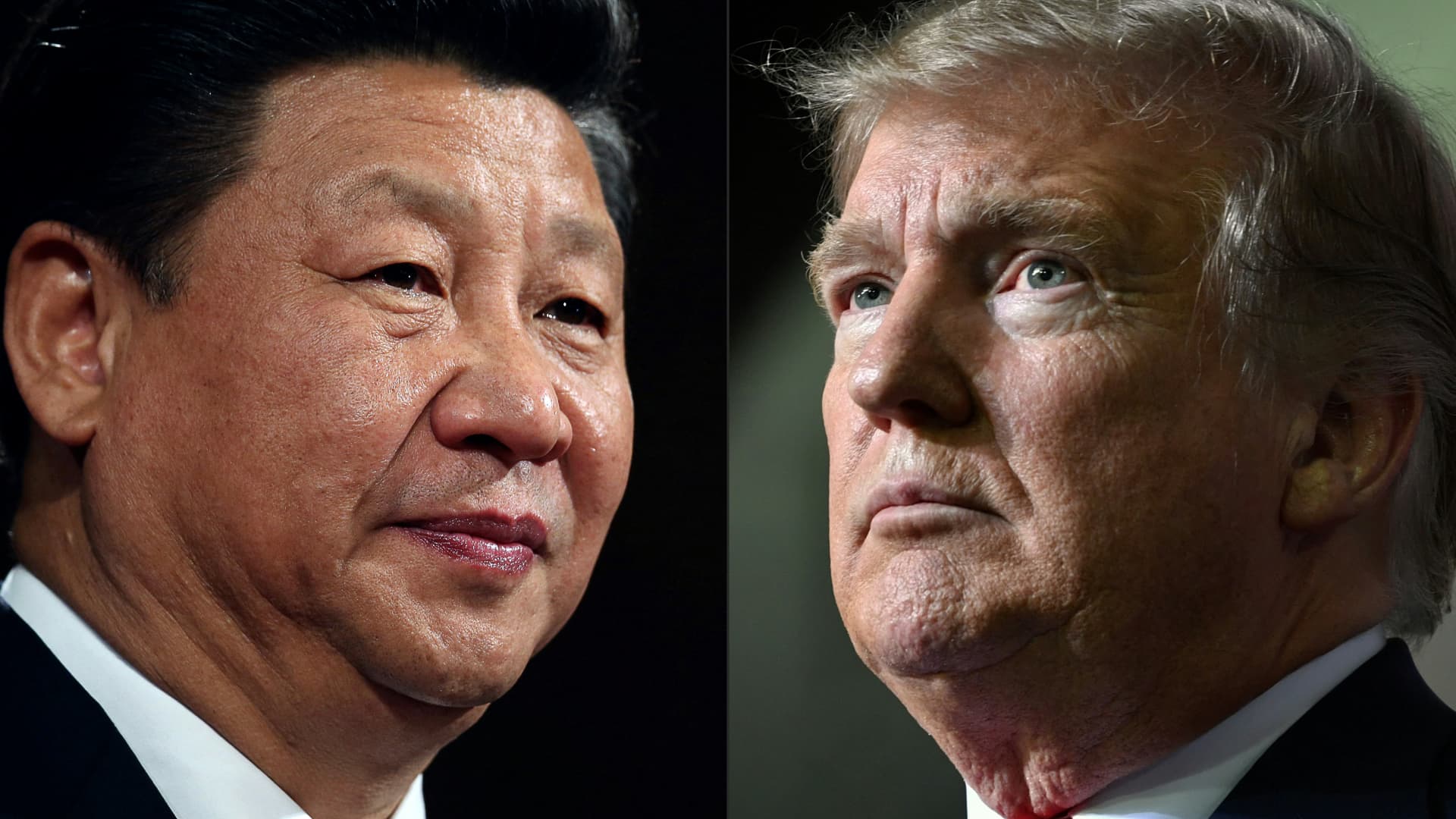
China Poised for Response: Understanding Trump’s New Tariff Threat
As President Trump hints at a potential 10% tariff increase on Chinese goods, the geopolitical landscape is once again shifting dramatically. This development signifies not just a continuation of an ongoing trade dispute, but it also raises pressing questions about the future of U.S.-China trade relations and the broader implications for the global economy. With both nations entrenched in their positions, it’s crucial to explore the ramifications of this tariff threat and how China is poised to respond.
The Context of Trump’s Tariff Threat
Tariffs have been a central theme in President Trump’s economic policy, particularly regarding China. Since taking office in 2017, he has implemented several rounds of tariffs aimed at addressing what he sees as unfair trade practices, intellectual property theft, and trade imbalances. The latest threat of a 10% tariff increase comes amid ongoing tensions between the two largest economies in the world, particularly as the U.S. economy faces challenges of its own.
This proposed increase could affect approximately $300 billion worth of Chinese imports, which would not only impact consumers in the U.S. but also disrupt supply chains that span the globe. As companies adjust to these tariffs, the ripple effects could lead to increased prices for American consumers and potential job losses in industries reliant on imports.
China’s Likely Countermeasures
In response to Trump’s tariff threat, China is expected to take several measures aimed at mitigating the economic impact. Historically, China has retaliated with its own tariffs on U.S. goods, and it’s likely they will adopt a similar strategy this time. Here are some potential responses:
- Reciprocal Tariffs: China could impose tariffs on a range of U.S. exports, especially in sectors like agriculture, where American farmers have already felt the sting of previous tariffs.
- Currency Manipulation: There are concerns that China may devalue its currency to make its exports cheaper, thus countering the impact of U.S. tariffs.
- Non-Tariff Barriers: China could implement stricter regulations and inspections on U.S. goods entering the country, which would create additional hurdles for American exporters.
Economic Implications for the U.S. and Global Markets
The implications of an escalating tariff war extend beyond just U.S.-China relations. Economists warn that increasing tariffs could lead to a slowdown in global economic growth. Here are some key considerations:
- Inflationary Pressures: Higher tariffs on imports are likely to raise prices for consumers, leading to inflation and decreased purchasing power.
- Supply Chain Disruptions: Many American companies rely on Chinese components for their products. Increased tariffs could disrupt these supply chains, resulting in production delays and increased costs.
- Investor Sentiment: Uncertainty surrounding trade policies can lead to volatility in stock markets. Investors may react negatively to news of increased tariffs, affecting global investment flows.
Long-Term Outlook for U.S.-China Trade Relations
The potential escalation in tariffs raises serious questions about the long-term health of U.S.-China trade relations. Many analysts suggest that a prolonged trade war could lead to a decoupling of the two economies, which would have significant implications for global trade patterns.
Some industries in the U.S. are already beginning to seek alternatives to Chinese suppliers, potentially shifting production to countries like Vietnam or India. This trend could lead to a reconfiguration of global supply chains, with lasting effects on how goods are manufactured and traded.
Challenges for Both Nations
While both nations may be poised to respond to each other’s tariff threats, they face unique challenges:
- For the U.S.: There is a risk that American farmers and manufacturers could suffer from retaliatory tariffs, with agricultural exports particularly vulnerable. The political ramifications could also be significant as constituents express dissatisfaction with rising prices and job losses.
- For China: The Chinese economy is already facing pressures from a slowing growth rate and challenges in domestic consumption. Increased tariffs could exacerbate these issues, leading to further economic instability.
The implications of Trump’s new tariff threat are profound, with both immediate and long-term consequences for U.S.-China trade relations and the global economy at large. As China prepares to respond, it is essential for policymakers and business leaders to navigate these turbulent waters with caution.
Despite the challenges, there may also be opportunities for dialogue and negotiation. Engaging in constructive discussions could lead to more sustainable trade agreements that benefit both nations and the global economy. As we move forward, the focus should be on finding common ground rather than escalating tensions, ensuring that both countries can thrive in an increasingly interconnected world.
In summary, while the threat of a 10% tariff increase from President Trump looms large, the response from China and the broader implications for global trade are yet to be fully realized. Stakeholders must remain vigilant and adaptable as the situation continues to evolve.
See more CCTV News Daily