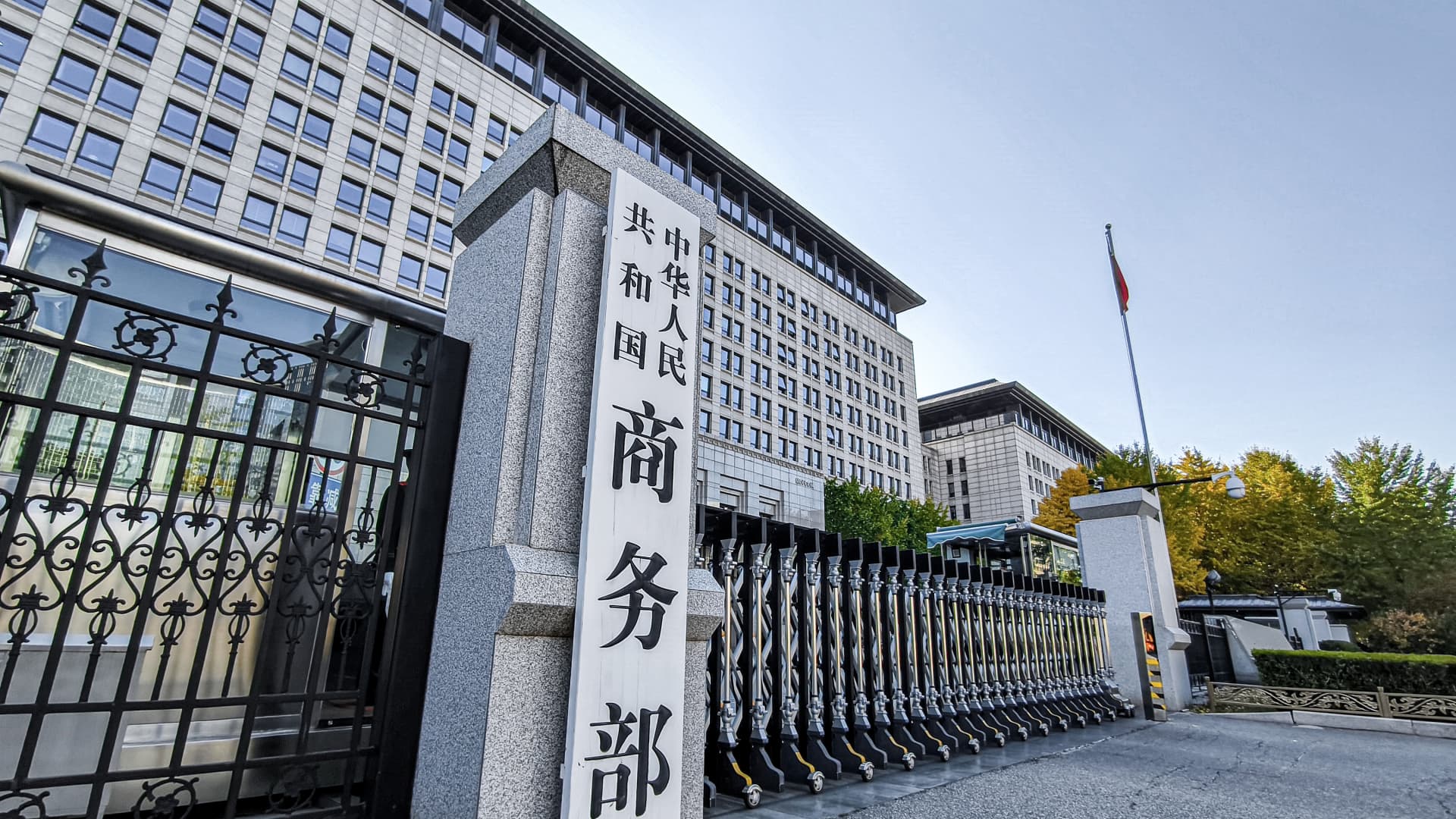
China Demands U.S. to Lift Tariffs: Escalating Trade Tensions
China has formally demanded the United States remove reciprocal tariffs imposed during the Trump administration, signaling renewed friction in global trade relations. The appeal, made on June 10, 2024, by China’s Ministry of Commerce, follows years of economic strain and could trigger retaliatory measures if ignored. Analysts warn the standoff may disrupt supply chains, escalate costs for consumers, and reshape bilateral trade dynamics.
Background: A Trade War Legacy
The U.S.-China tariff dispute began in 2018 when the Trump administration levied duties on $370 billion of Chinese goods, citing unfair trade practices. China retaliated with tariffs on $110 billion of U.S. imports, including agricultural and automotive products. Although negotiations led to a 2020 Phase One deal, over 60% of these tariffs remain intact, costing U.S. importers an estimated $51 billion annually, according to the U.S. International Trade Commission.
“These tariffs were meant to pressure China but ended up as a tax on American businesses and consumers,” said Dr. Linda Chen, a trade economist at Georgetown University. “The Biden administration faces a dilemma: lifting them could be seen as weak, but maintaining them risks inflation and further retaliation.”
Potential Counter-Measures from China
If the U.S. rejects China’s demand, experts anticipate several retaliatory actions:
- Targeted Export Restrictions: China could limit rare earth mineral exports, crucial for U.S. tech and defense industries. In 2021, China produced 60% of the world’s rare earths, per the U.S. Geological Survey.
- Non-Tariff Barriers: Stricter customs inspections or regulatory hurdles for U.S. firms operating in China, akin to measures imposed during past disputes.
- Dumping Investigations: Anti-dumping probes against U.S. products, potentially leading to punitive duties.
“China’s playbook includes asymmetric responses,” noted James Wu, a senior analyst at the Peterson Institute for International Economics. “They might avoid broad tariffs but strike strategically, like curbing Boeing orders or disrupting pharmaceutical supply chains.”
Global Economic Implications
The World Bank estimates a full-blown trade war could slash global GDP growth by 0.5% in 2025. Emerging markets reliant on Chinese manufacturing, like Vietnam and Mexico, may face collateral damage. Meanwhile, U.S. farmers, who exported $36 billion in goods to China in 2023, fear renewed market losses.
European and Asian markets reacted cautiously to China’s demand, with the MSCI Asia Index dipping 0.8% on June 11. “Investors are bracing for volatility,” said Priya Kapoor of Bloomberg Economics. “The stakes are higher now with inflation lingering and post-pandemic recovery fragile.”
Political Calculus in Washington and Beijing
The Biden administration faces pressure from labor unions to preserve tariffs protecting U.S. jobs, while business lobbies push for relief. Conversely, China’s leadership seeks to bolster its slowing economy, with Q1 2024 growth at 4.7%, below the 5% target.
“Domestic priorities drive both sides,” said former U.S. Trade Representative Michael Froman. “The question is whether they’ll prioritize short-term wins or long-term stability.”
What’s Next for U.S.-China Trade Relations?
Observers suggest backchannel talks may precede formal negotiations. Potential compromises include:
- Phased tariff reductions tied to Chinese concessions on intellectual property or subsidies.
- Limited exemptions for critical goods like medical equipment or green energy components.
The outcome could influence broader geopolitics, including China’s stance on Taiwan and U.S. tech embargoes. For now, businesses are advised to diversify supply chains and hedge against disruptions.
Stay informed with our newsletter for real-time updates on global trade policies and market shifts.
See more CCTV News Daily