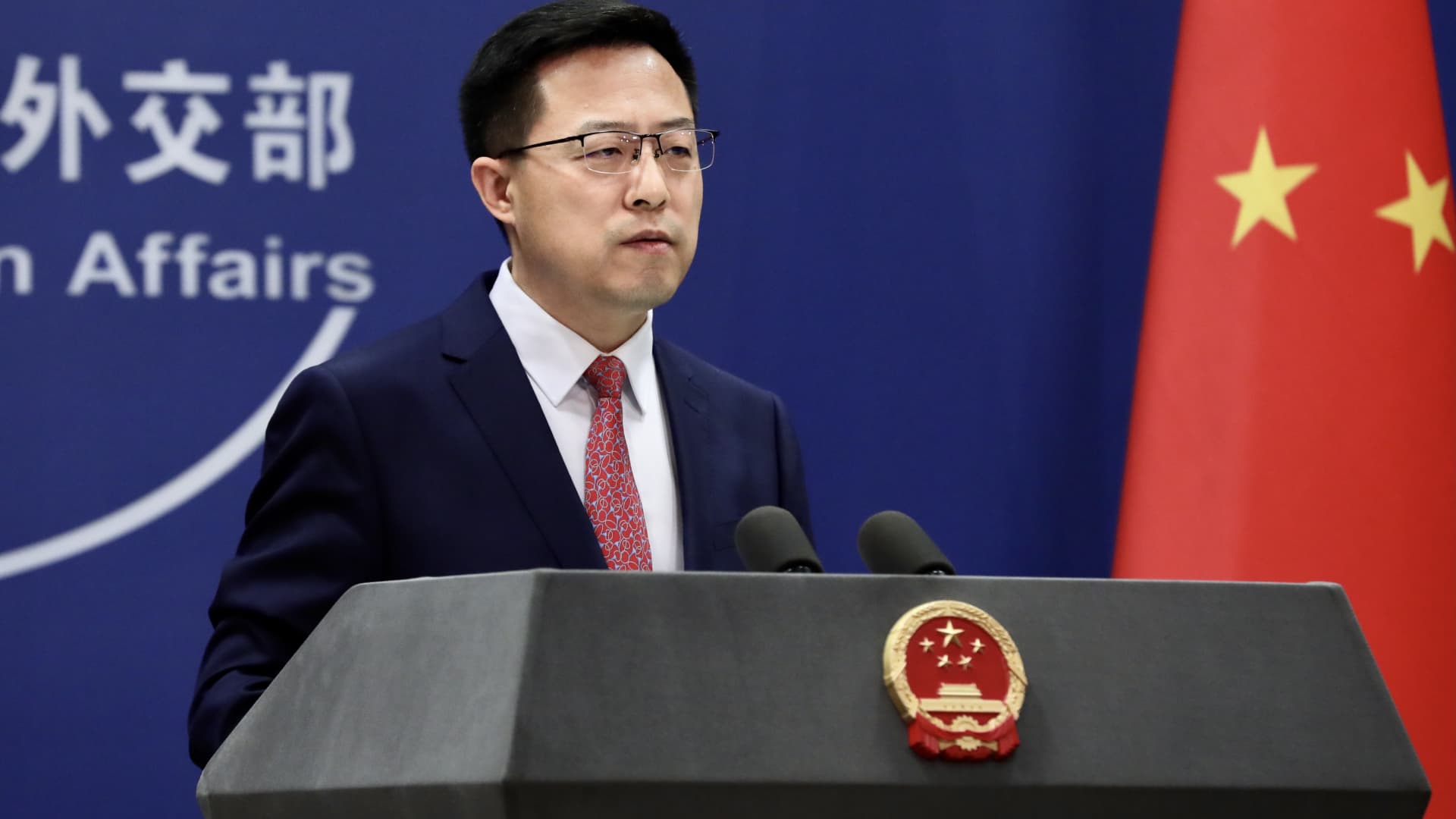
China Vows Firm Response as U.S. Tariffs Take Effect
China has pledged to implement strong countermeasures after new U.S. tariffs on $18 billion worth of Chinese goods took effect this week. The escalating trade tensions between the world’s two largest economies threaten to destabilize global markets and reshape supply chains. Analysts warn the measures could trigger retaliatory actions, further straining diplomatic relations already tested by technological competition and geopolitical rivalries.
Background of the Latest Trade Measures
The Biden administration announced the tariff increases last month, targeting strategic sectors including:
- Electric vehicles (100% tariff, up from 25%)
- Semiconductors (50% tariff)
- Solar cells (50%)
- Steel and aluminum products (25%)
“These tariffs represent a calculated move to protect domestic industries while applying pressure on China’s manufacturing ambitions,” explained Dr. Evelyn Tan, senior fellow at the Center for Strategic Trade Studies. “The EV tariffs in particular aim to prevent Chinese automakers from gaining a foothold in the U.S. market.”
China’s Commerce Ministry responded within hours, calling the measures “protectionist violations of WTO rules” and vowing to “defend its legitimate rights through all necessary means.”
Economic Impacts and Market Reactions
Global markets showed immediate volatility following the announcements:
- Asian stocks fell 1.8% on average
- The yuan dropped to a 5-month low against the dollar
- Commodity prices fluctuated amid supply chain concerns
“We’re seeing déjà vu of the 2018-2019 trade war, but with higher stakes,” noted Mark Williams, chief Asia economist at Capital Economics. “The difference now is that both economies have less flexibility—U.S. inflation remains stubborn, while China faces domestic demand challenges.”
Trade data reveals the potential scale of disruption:
| Sector | 2023 Trade Value | Projected Impact |
|---|---|---|
| EVs & Batteries | $4.2 billion | 85-90% reduction expected |
| Semiconductors | $7.1 billion | 40-50% reduction expected |
Potential Chinese Countermeasures
Analysts anticipate several likely responses from Beijing:
- Targeted tariffs on U.S. agricultural exports (soybeans, pork)
- Restrictions on rare earth mineral exports
- Increased scrutiny of American companies operating in China
- Accelerated trade diversification through agreements with Global South nations
“China has been preparing for this scenario since the Trump-era tariffs,” said Li Wei, Beijing-based economist with the Dragon Research Group. “Their playbook now includes more sophisticated options like supply chain controls and technology standards.”
Broader Implications for U.S.-China Relations
The tariff escalation occurs against a backdrop of worsening bilateral tensions:
- Ongoing disputes over Taiwan and South China Sea
- Technology restrictions including semiconductor export controls
- Competing infrastructure investment initiatives in developing nations
Professor Henry Kwok of Singapore University observes: “What began as trade friction has metastasized into full-spectrum competition. Neither side appears willing to back down, creating dangerous escalation risks.”
Global Supply Chain Consequences
The renewed trade war threatens to:
- Increase consumer prices for electronics, vehicles, and green energy products
- Force multinationals to accelerate “China+1” manufacturing strategies
- Disrupt critical mineral supplies for clean energy transitions
European and Asian manufacturers expressed particular concern. “Our factories rely on components from both countries,” said Klaus Mueller, CEO of a German automotive supplier. “These tariffs may add 6-8% to our production costs unless we completely restructure supply chains.”
Future Outlook and Next Steps
Possible developments in coming months include:
- WTO dispute filings from both nations
- China’s potential dumping investigations into U.S. products
- Shifts in manufacturing to Southeast Asia and Mexico
- Impact on U.S. election rhetoric regarding China policy
While some hope for negotiated solutions, the current trajectory suggests prolonged tensions. “The economic decoupling process appears irreversible at this stage,” concluded Dr. Tan. “Businesses should prepare for sustained volatility and diversify their exposure.”
For ongoing coverage of trade developments, subscribe to our global economics newsletter. Industry professionals can access our detailed tariff impact assessment toolkit for strategic planning.
See more CCTV News Daily