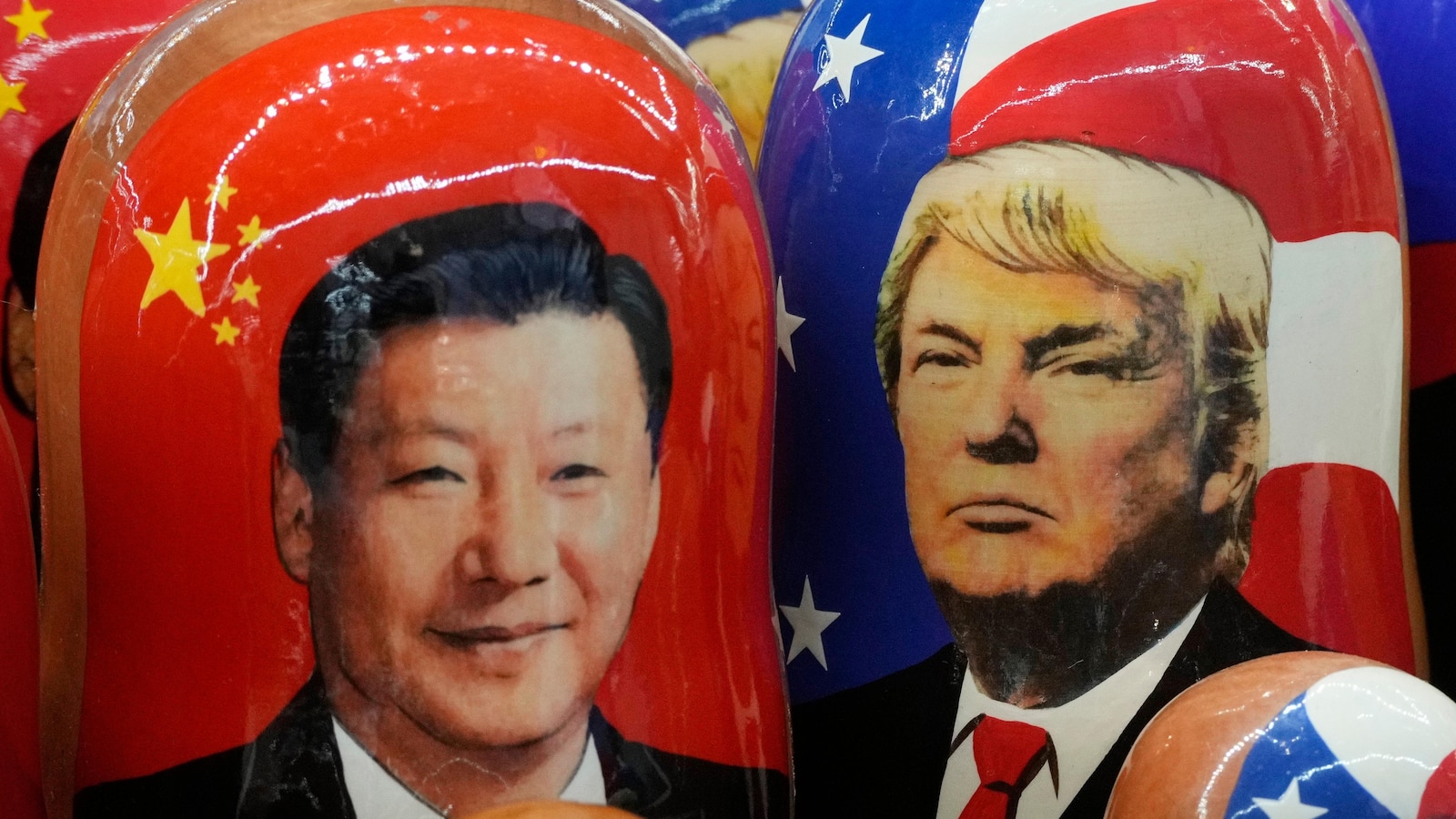
China’s Stark Warning: Retaliation Looms Over US Tariff Tensions
As trade relations between the US and China continue to fray, Beijing has issued a firm warning of potential retaliation against American tariffs. This development raises serious questions about the future of international trade and economic stability. With both nations being key players in the global economy, the ramifications of escalating trade tensions could extend far beyond their borders. In this article, we’ll explore the current state of US-China trade relations, the implications of potential retaliatory measures, and what this means for the global marketplace.
The Current State of US-China Trade Relations
The trade relationship between the US and China has been characterized by a complex web of interdependence and conflict. Over the past few years, tariffs have been a focal point of contention. In 2018, the US imposed tariffs on billions of dollars’ worth of Chinese goods, citing unfair trade practices and intellectual property theft. China responded with its own tariffs, leading to a tit-for-tat escalation that has left both economies feeling the pinch.
As of late 2023, tensions have reached new heights. The US government has hinted at further tariffs targeting critical sectors, including technology and agriculture. These measures are often justified on the grounds of protecting national security and promoting domestic industries. However, they have also sparked fears of a full-blown trade war, with both sides preparing for a prolonged conflict.
The Warning from Beijing
In response to the latest threats from Washington, Chinese officials have issued a stark warning that retaliation is on the table. This warning was articulated by senior government officials, who emphasized that any new tariffs would be met with corresponding actions from China. This statement underscores Beijing’s commitment to defending its economic interests and signals its readiness to engage in a protracted struggle.
But what might this retaliation look like? There are several avenues for China to consider, including:
- Tariffs on US Goods: China could impose additional tariffs on American imports, particularly those that impact key electoral regions in the US.
- Non-Tariff Barriers: Beyond tariffs, China may resort to regulatory hurdles that make it more difficult for US companies to operate in its market.
- Currency Manipulation: By devaluing its currency, China could make its exports cheaper, countering the impact of US tariffs.
- Investment Restrictions: China may limit American investments in strategic sectors, thereby sending a clear signal of its discontent.
Each of these potential retaliatory measures carries significant implications not just for the US and China, but for the entire global economy. The interconnectedness of modern trade means that disruptions in one region can have ripple effects worldwide.
Implications for Global Trade and Economic Stability
The implications of the ongoing tariff tensions and potential retaliation reach far and wide. A prolonged trade war could lead to:
- Increased Prices for Consumers: Tariffs typically lead to higher prices for imported goods, which can burden consumers and businesses alike.
- Supply Chain Disruptions: Many companies operate with intricate supply chains that span the globe. Tariffs can disrupt these networks, leading to inefficiencies and increased costs.
- Slower Economic Growth: Both the US and China could see slower economic growth as businesses react to uncertainty and potential losses.
- Shifts in Global Alliances: Countries may realign their trade partnerships, seeking to capitalize on opportunities presented by the tensions between the US and China.
Furthermore, the uncertainty surrounding tariffs could deter foreign investment in both countries. Investors often seek stability and predictability, and a chaotic trade environment can lead to hesitation in capital deployment. This hesitance can stifle innovation and economic advancement, ultimately affecting job creation and economic prosperity.
Lessons from History
To navigate these turbulent waters, it may be helpful to reflect on historical precedents. The Great Depression in the 1930s serves as a cautionary tale; countries that implemented protectionist measures, such as the Smoot-Hawley Tariff, exacerbated the economic downturn. Global cooperation and trade liberalization were critical in fostering recovery in the decades that followed. Today, many economists argue that a similar approach is necessary to promote stability and growth in the face of rising protectionism.
Looking Ahead: The Path Forward
As both the US and China stand firm in their positions, it’s crucial to consider the potential pathways forward. Diplomatic engagement and open communication channels are vital. High-level talks could help to de-escalate tensions and lead to negotiations that benefit both parties. Additionally, leveraging international organizations, such as the World Trade Organization (WTO), might facilitate discussions that aim to resolve disputes without resorting to tariffs.
Moreover, businesses in both nations should remain adaptable and proactive. Diversifying supply chains, exploring new markets, and investing in innovation can help mitigate the impacts of tariffs. Companies that anticipate changes in the trade landscape will be better positioned to weather the storm.
Conclusion
In summary, China’s stark warning of potential retaliation over US tariff tensions highlights a critical juncture in international trade relations. As both nations navigate this complex situation, the consequences of their actions will likely reverberate throughout the global economy. While the immediate future may appear uncertain, history teaches us the value of cooperation and dialogue in overcoming economic challenges. By prioritizing engagement over confrontation, both the US and China can work towards a more stable and prosperous economic future for themselves and the world.
See more CCTV News Daily