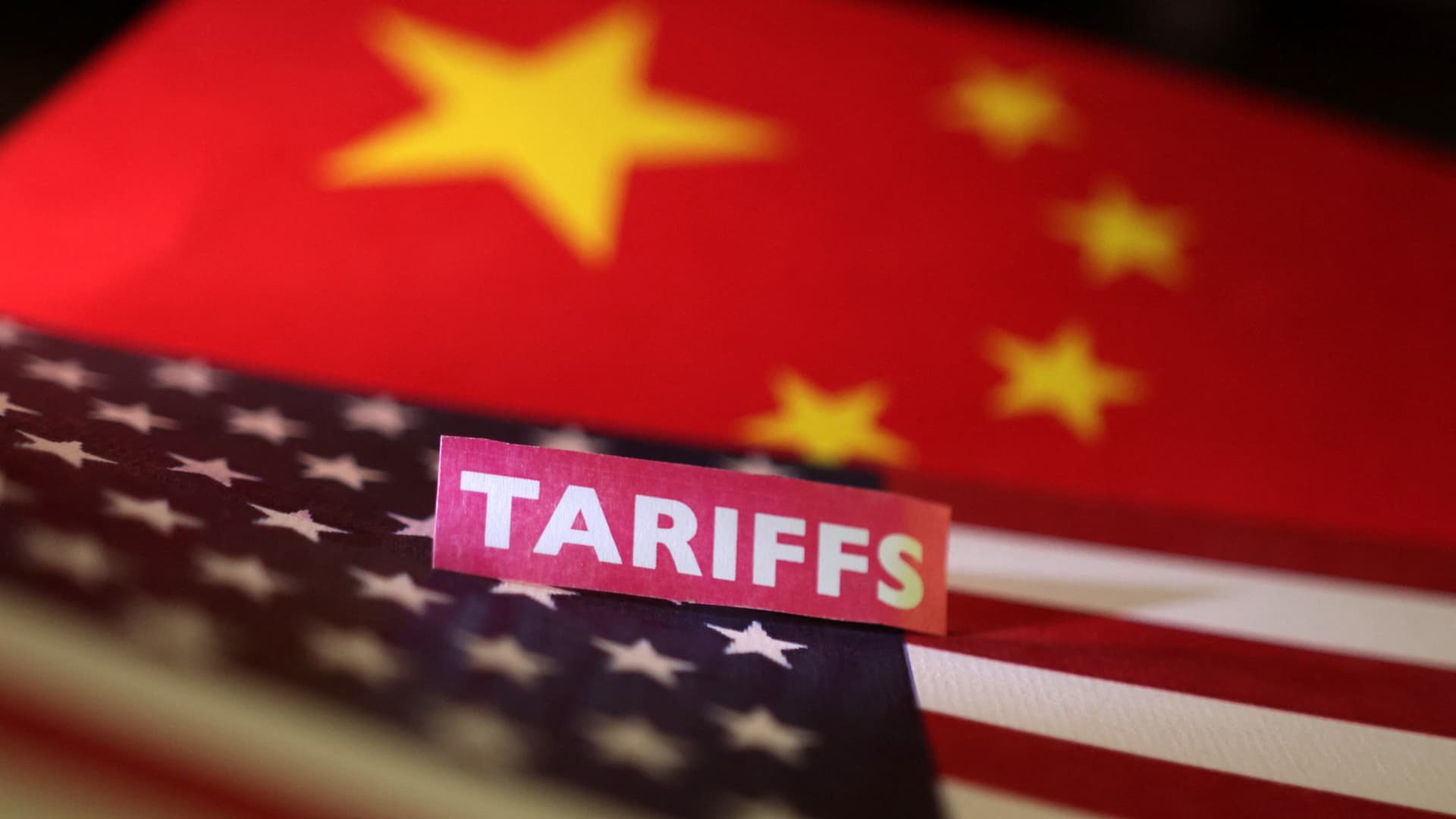
China Weighs U.S. Trade Overtures: A Path to Dialogue or Stalemate?
As trade tensions between the world’s two largest economies persist, China is cautiously evaluating recent U.S. proposals for renewed trade discussions. The Biden administration has signaled willingness to ease some tariffs while pressing Beijing on technology restrictions and market access. Analysts suggest this delicate dance could either break the ice in strained relations or deepen the current impasse, with global economic stability hanging in the balance.
The Current State of U.S.-China Trade Relations
Bilateral trade between the U.S. and China reached $691 billion in 2022, according to U.S. Census Bureau data, yet the relationship remains fraught with challenges. The Trump-era tariffs on $370 billion worth of Chinese goods remain largely in place, while China maintains retaliatory duties on $110 billion of U.S. products. Recent overtures from Washington include:
- Proposed working-level talks on agricultural trade
- Potential easing of Section 301 tariffs on consumer goods
- New dialogue channels for technology export controls
“The relationship is at a crossroads,” says Dr. Lin Wei, senior fellow at the Beijing-based Center for International Economic Research. “Both sides recognize the economic costs of continued confrontation, but neither wants to appear weak domestically by making unilateral concessions.”
Key Sticking Points in Potential Negotiations
Several thorny issues complicate potential trade discussions. The U.S. continues to press China on intellectual property protections, forced technology transfers, and subsidies to state-owned enterprises. Meanwhile, Beijing demands Washington lift high-tech export bans and provide assurances against further decoupling efforts.
Technology remains the most contentious battleground. The U.S. Commerce Department added 36 Chinese companies to its entity list in 2023 alone, restricting their access to American technology. China has responded by limiting exports of critical minerals like gallium and germanium, vital for semiconductor production.
“We’re seeing a new phase of economic competition where national security concerns increasingly trump traditional trade considerations,” notes former U.S. trade negotiator Susan Harris. “This makes comprehensive agreements much harder to achieve.”
Economic Pressures Driving Both Sides to the Table
Economic realities may force compromise. China’s GDP growth slowed to 3% in 2022, its second-lowest rate in decades. The U.S., while showing resilience, faces inflationary pressures that some economists argue could be alleviated by reducing China tariffs.
Key economic indicators:
- Chinese exports to U.S. fell 14.3% year-over-year in first half 2023
- U.S. consumer prices remain 4.9% above 2022 levels
- Bilateral investment flows have dropped 60% since 2016
Agricultural trade presents one potential bright spot. China imported $36.4 billion of U.S. farm products in 2022, and both sides have expressed interest in stabilizing this sector. “Food security needs create natural alignment,” explains agricultural economist Mark Burton. “This could serve as confidence-building measures for broader talks.”
Domestic Political Considerations on Both Sides
Domestic politics significantly influence the calculus in both capitals. With the 2024 U.S. election cycle beginning, the Biden administration faces pressure to demonstrate toughness on China while protecting American consumers from price spikes. Meanwhile, Chinese President Xi Jinping must balance economic pragmatism with nationalist rhetoric about technological self-reliance.
Recent developments suggest cautious optimism:
- Resumption of working-level commerce talks in May 2023
- China’s approval of Boeing 737 MAX purchases after 4-year freeze
- U.S. consideration of lifting tariffs on some Chinese solar components
However, the Taiwan issue continues to cast a shadow over economic discussions. Beijing views U.S. arms sales to Taiwan as violations of the One China policy, while Washington sees them as necessary commitments to regional security.
Potential Outcomes and Global Implications
Experts outline several possible scenarios for the coming months:
- Limited deal: Targeted agreements on agriculture, pharmaceuticals, or climate-related goods
- Status quo: Continued tariffs with small-scale exemptions
- Escalation: New restrictions on advanced chips or rare earth minerals
The global economy has much at stake. IMF analysis suggests prolonged U.S.-China trade tensions could reduce global GDP by 1.4% annually. Supply chain disruptions already cost companies $184 billion in 2022, per McKinsey research.
“The world is watching nervously,” says Singapore-based trade analyst Priya Singh. “Even modest progress could calm markets, while further deterioration might accelerate regional trade blocs and economic fragmentation.”
The Road Ahead: Cautious Steps Toward Dialogue
Both nations appear to be testing the waters for more substantive engagement. The U.S. recently extended certain tariff exclusions, while China approved new U.S. investment deals in financial services. These small gestures may pave the way for higher-level talks later this year.
Critical upcoming dates:
- September 2023: Next scheduled U.S.-China trade working group meeting
- November 2023: APEC summit potential leaders’ meeting
- January 2024: Scheduled review of Phase One trade deal
As the economic costs mount for both nations, the incentive for compromise grows stronger. Yet with technological competition intensifying and geopolitical tensions simmering, the path forward remains uncertain. The coming months will reveal whether these overtures represent genuine steps toward dialogue or merely tactical pauses in an ongoing economic confrontation.
For ongoing coverage of U.S.-China trade developments, subscribe to our daily policy briefs and expert analysis.
See more CCTV News Daily