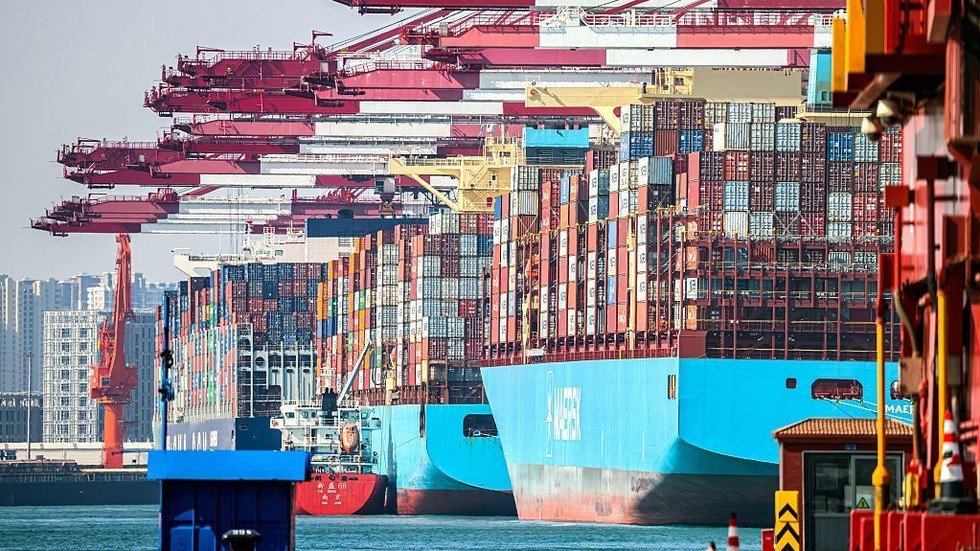
Amid escalating trade tensions between the world’s two largest economies, Chinese exporters are deploying increasingly sophisticated tactics to circumvent U.S. tariffs. By rerouting shipments through third countries, mislabeling goods, and leveraging loopholes, these companies are preserving their competitive edge while challenging the effectiveness of American trade policies. Experts warn these maneuvers could reshape global supply chains and intensify economic friction.
The Art of Tariff Evasion: Creative Strategies Uncovered
Chinese firms have turned tariff avoidance into a high-stakes game of cat and mouse. Recent investigations reveal three primary methods dominating this shadow trade:
- Transshipment through Southeast Asia: Exporters are rerouting goods through Vietnam, Malaysia, and Thailand, where products undergo minimal processing before being labeled as “Made in [third country].” Vietnamese customs data shows a 65% surge in Chinese semiconductor imports since 2022, far exceeding domestic demand.
- Component Assembly: Companies ship disassembled products to tariff-exempt nations for final assembly. A U.S. International Trade Commission report found bicycle imports from Cambodia increased 320% since 2018, despite the country having no major bicycle manufacturing infrastructure.
- Digital Obfuscation: E-commerce platforms facilitate direct-to-consumer shipments labeled as low-value personal parcels. Customs data indicates 38% of such parcels from China contain undervalued or misclassified goods.
The Economic Calculus Behind the Maneuvers
Dr. Lin Wei, a trade economist at Shanghai University, explains: “When facing a 25% tariff wall, companies will inevitably seek 15% solutions. The math becomes irresistible when alternative routes only add 5-8% to logistics costs.” This economic reality has spawned an entire ecosystem of trade facilitators offering “tariff optimization” services.
U.S. Customs and Border Protection reported seizing $1.2 billion in misdeclared Chinese goods in 2023 alone, a 47% increase from pre-tariff levels. However, experts estimate this represents less than 10% of actual circumvention activity.
Global Supply Chains: Collateral Damage or Willing Accomplices?
The evasion strategies are reshaping trade patterns across Asia:
- Vietnam’s exports to the U.S. grew 18% year-over-year in Q1 2024, while its imports from China rose 22%
- Mexico has become the largest U.S. trading partner, with Chinese investment in Mexican manufacturing facilities doubling since 2020
- ASEAN nations now account for 12.5% of U.S. imports, up from 8.9% in 2017
“These aren’t just trade diversions – they’re complete supply chain realignments,” notes Maria Chen, a Singapore-based logistics analyst. “Many multinationals are quietly complicit, maintaining deniability while benefiting from reduced tariff exposure.”
Policy Responses and Enforcement Challenges
The U.S. has deployed several countermeasures with mixed success:
- Country-of-Origin Audits: Enhanced documentation requirements added $3.4 billion in compliance costs to importers in 2023
- Third-Country Investigations: The Commerce Department opened 17 cases against Vietnamese and Malaysian firms in 2023
- E-commerce Scrutiny: New “Section 321” rules target de minimis shipments, affecting 600 million parcels annually
However, enforcement remains patchy. As former U.S. trade representative Michael Froman observes: “For every loophole we close, three new ones emerge. The incentives are simply too large for the private sector not to innovate around barriers.”
The Future of Trade in the Shadow Economy
Looking ahead, three scenarios appear likely:
- Technological Escalation: Blockchain tracking and AI customs systems may soon make evasion harder
- Regionalization: More Chinese firms may establish bona fide manufacturing in tariff-exempt countries
- Retaliation: Potential U.S. countermeasures could expand tariffs to third countries
For businesses caught in the crossfire, the advice is clear: “Diversify your supply chains now,” urges global trade attorney James Robertson. “The only certainty is that today’s loopholes won’t last forever.” Companies must weigh short-term gains against potential long-term compliance risks as the rules of global trade continue to evolve.
Want to stay ahead of shifting trade policies? Subscribe to our Global Trade Watch newsletter for weekly updates on tariff developments and enforcement trends.
See more CCTV News Daily