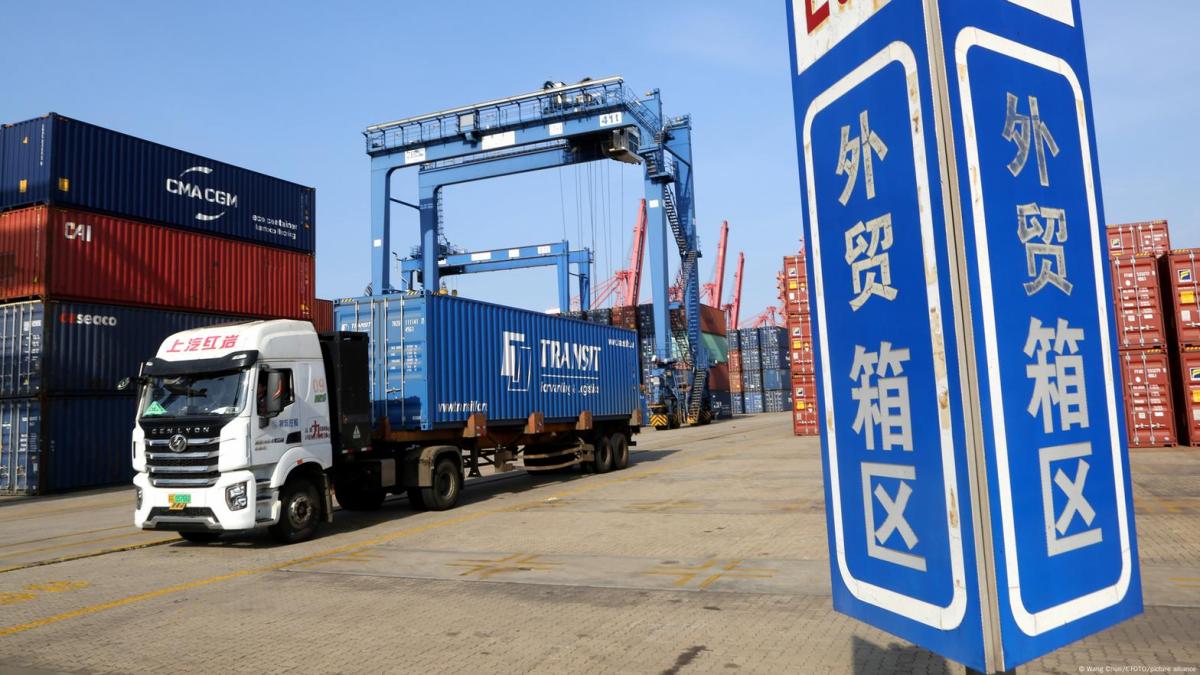
New Chinese Tariffs on U.S. Agricultural Goods: An Overview
As of late 2023, the landscape of international trade has taken a significant turn with China implementing new tariffs on U.S. agricultural goods. This development is not just a minor adjustment in trade policy; it has profound implications for farmers, the broader economy, and the intricate web of trade relations between the two nations. Understanding these tariffs is essential for stakeholders across the agricultural sector and consumers alike. In this article, we’ll delve into the specifics of the new tariffs, their potential effects, and what they mean for the future of U.S.-China trade relations.
The Details of the New Tariffs
The new tariffs imposed by China target a variety of American agricultural exports, including soybeans, corn, wheat, and dairy products. The decision has been attributed to a combination of factors, including ongoing trade tensions and domestic economic strategies aimed at boosting local agricultural production. Specifically, the tariffs range from 10% to 30%, depending on the commodity and its perceived impact on Chinese farmers.
Why Now?
The timing of these tariffs coincides with a period of heightened scrutiny over food security in China. As the country grapples with challenges such as climate change, food shortages, and rising prices, protecting domestic agriculture has become a priority. This shift towards self-sufficiency has prompted the Chinese government to impose these tariffs as a protective measure against foreign competition.
Impact on U.S. Farmers
For American farmers, the new Chinese tariffs present a significant challenge. U.S. agricultural products have historically enjoyed a robust market in China, which has been one of the largest importers of American soybeans and corn. With the introduction of these tariffs, farmers are left grappling with several key implications:
- Reduced Market Access: The increased costs associated with tariffs may lead to decreased demand for U.S. agricultural products in China, forcing farmers to explore alternative markets.
- Price Decreases: As demand wanes, prices for these commodities may drop. This could lead to reduced revenue for farmers, affecting their bottom line.
- Disruption to Supply Chains: Farmers have built their operations around the export of certain crops to China. The tariffs may necessitate a reevaluation of supply chains, adding complexity and uncertainty to agricultural logistics.
Looking for Alternatives
In response to these tariffs, many U.S. farmers are already seeking new markets. Countries in Southeast Asia, Europe, and South America are potential alternatives, but they may not fully compensate for the losses incurred from the Chinese market. Additionally, the logistics of shifting these exports can be daunting, as farmers will need to adjust their production cycles and marketing strategies.
Broader Economic Implications
The broader economic implications of the new Chinese tariffs on U.S. agricultural goods extend beyond the farm gate. Here are some areas where we can expect to see impact:
- Consumer Prices: As farmers face lower prices, the effects may trickle down to consumers. If farmers cannot sell their products profitably, the prices of certain goods may rise as supply becomes constrained.
- Job Losses: The agricultural sector is a significant source of employment in the U.S. A decline in exports could lead to job losses, not only on farms but also in related industries such as transportation, packaging, and processing.
- Trade Relations: The imposition of tariffs signals a further deterioration in U.S.-China trade relations. This could lead to retaliatory measures from the U.S., escalating a trade war that has already been fraught with tension.
Potential for Future Negotiations
Despite the current climate, there remains a glimmer of hope for future negotiations that could alleviate some of these tensions. Trade agreements and dialogues have historically played pivotal roles in resolving disputes. Stakeholders on both sides may recognize the mutual benefits of maintaining a healthy trade relationship, particularly in the agricultural sector.
What Can Farmers Do?
As the dust settles on the announcement of these new tariffs, U.S. farmers must take proactive steps to navigate this challenging landscape:
- Diversify Markets: Exploring new international markets is essential. Farmers should consider engaging with trade organizations that can provide insights and assistance in reaching alternative buyers.
- Innovate Production: Investing in technology and sustainable practices can help farmers remain competitive and efficient, potentially lowering production costs.
- Advocate for Policy Change: Engaging with policymakers and trade organizations can help farmers amplify their voices in discussions surrounding trade policy and agricultural support.
Conclusion
The introduction of new Chinese tariffs on U.S. agricultural goods marks a pivotal moment in international trade. The ramifications for farmers, consumers, and the economy at large are profound and complex. While challenges abound, the resilience and adaptability of American farmers may yet turn this situation into an opportunity for growth and innovation. As stakeholders navigate this uncertain terrain, it is crucial to understand both the immediate impacts and the potential long-term consequences of these tariffs on U.S.-China trade relations.
In summary, the new Chinese tariffs on U.S. agricultural goods bring a mix of challenges and opportunities. By staying informed and proactive, farmers and stakeholders can better prepare for the evolving landscape of agricultural trade.
See more CCTV News Daily