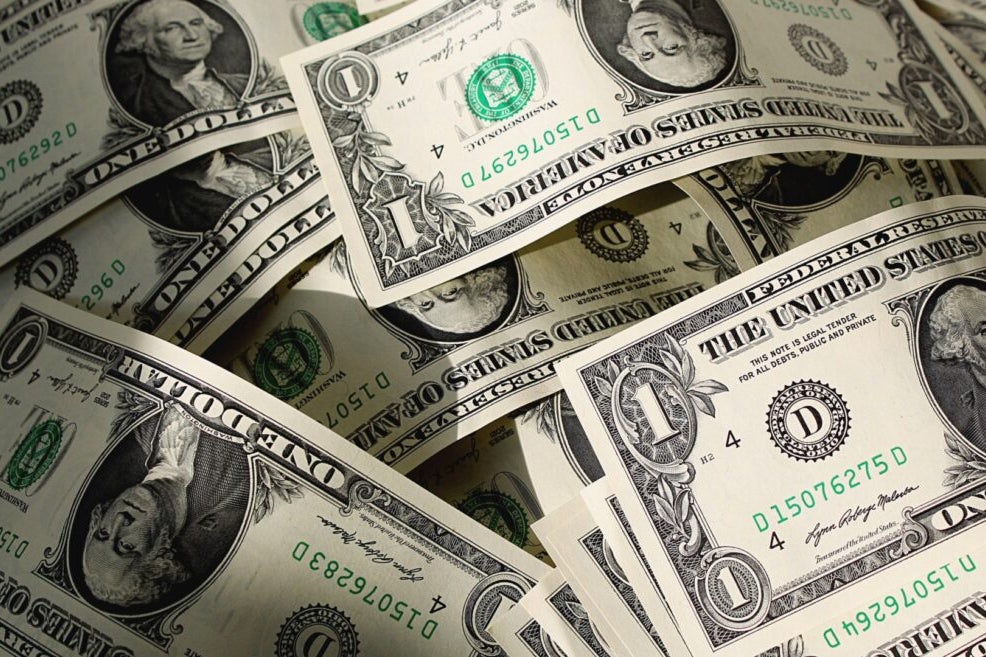
How Dollar-Denominated Debt Empowers U.S. Policymakers in Economic Turbulence
The U.S. dollar’s dominance in global finance provides American policymakers with unparalleled leverage during economic crises, experts argue. By issuing debt primarily in its own currency, the U.S. avoids exchange rate risks faced by other nations, enabling more flexible fiscal and monetary responses to shocks. This advantage, often termed “exorbitant privilege,” strengthens the U.S. economy while influencing global financial stability.
The Strategic Edge of Dollar-Denominated Debt
Nearly 60% of global foreign exchange reserves are held in U.S. dollars, and approximately 90% of international trade transactions rely on the currency, according to IMF data. This ubiquity allows the U.S. Treasury to borrow at lower costs while shifting currency risks to foreign creditors. When economic turbulence hits, the Federal Reserve can adjust monetary policy—such as quantitative easing—without triggering a balance-of-payments crisis.
“The ability to issue debt in dollars is like having a financial shock absorber,” explains Dr. Elena Rodriguez, a senior economist at the Brookings Institution. “Other countries must worry about capital flight or currency collapses when they print money, but the U.S. operates with a safety net.”
For example, during the 2008 financial crisis and the COVID-19 pandemic, the U.S. injected trillions of dollars into its economy through stimulus packages and bond purchases. Because these debts were dollar-denominated, inflation and depreciation risks were partly externalized to foreign investors holding U.S. Treasuries.
Global Implications and Controversies
While dollar dominance benefits the U.S., it creates vulnerabilities for emerging markets. Countries like Argentina and Turkey, which borrow heavily in dollars, face severe crises when the greenback strengthens. Their debt burdens escalate as local currencies depreciate, often forcing austerity measures or IMF bailouts.
“The system is asymmetrical,” notes Harvard economist Dr. Rajiv Mehta. “The U.S. exports its inflation while smaller economies bear the brunt of dollar volatility. This dynamic fuels calls for alternative reserve currencies, like the yuan or digital assets.”
Key data underscores the disparity:
- The U.S. holds $34 trillion in national debt, yet pays an average interest rate of just 3%—far below emerging-market averages.
- In 2022, developing nations spent over $400 billion servicing dollar-denominated debts, diverting funds from critical infrastructure and social programs.
Challenges to Dollar Hegemony
Despite its advantages, the U.S. dollar’s supremacy faces growing challenges. BRICS nations (Brazil, Russia, India, China, South Africa) are promoting local-currency trade agreements, while central banks diversify reserves with gold and other assets. The euro and yuan account for 20% and 3% of global reserves, respectively—still minor compared to the dollar but rising steadily.
However, experts caution that no currency yet rivals the dollar’s liquidity or institutional backing. “The eurozone lacks fiscal unity, and China’s capital controls limit the yuan’s appeal,” says Rodriguez. “For now, the dollar’s role is secure, but complacency could erode its position over decades.”
Policy Flexibility in Action: Case Studies
Two recent examples highlight how dollar-denominated debt aids U.S. crisis response:
- COVID-19 Stimulus (2020-2021): The U.S. issued $5 trillion in new debt with minimal market disruption, funding direct payments and business relief. By contrast, emerging markets struggled to secure affordable financing.
- Federal Reserve Rate Hikes (2022-2023): Aggressive monetary tightening strengthened the dollar, easing import costs for Americans but spiking inflation abroad.
Future Outlook: Sustainability and Reforms
While the current system favors the U.S., economists warn that excessive debt accumulation could eventually undermine confidence. The Congressional Budget Office projects U.S. debt-to-GDP ratios exceeding 130% by 2033, potentially triggering higher borrowing costs.
Proposed reforms include:
- Strengthening multilateral lending facilities to assist dollar-dependent nations.
- Encouraging currency diversification in trade settlements.
- Enhancing global financial safety nets to mitigate dollar volatility.
“The dollar’s privilege isn’t eternal,” Mehta emphasizes. “Policymakers must balance short-term advantages with long-term stability, or risk a disorderly transition to a multipolar system.”
Conclusion: A Double-Edged Sword
Dollar-denominated debt remains a cornerstone of U.S. economic resilience, offering unmatched policy flexibility. Yet its global spillovers exacerbate inequality, fueling debates over fairness and reform. As geopolitical tensions rise, the world watches whether the dollar can maintain its dominance—or if a new financial order will emerge.
For deeper insights on global monetary trends, subscribe to our newsletter for expert analysis delivered weekly.
See more CCTV News Daily