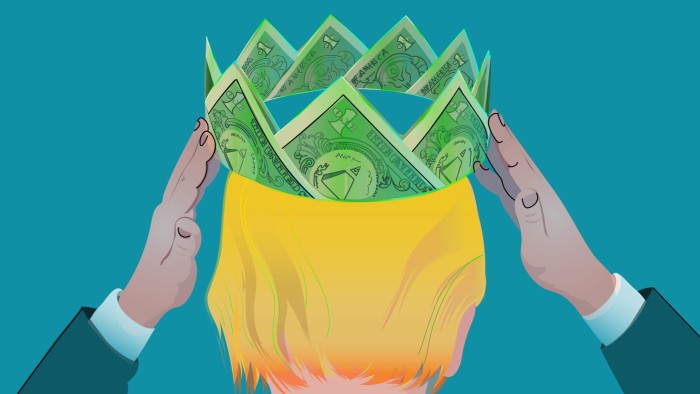
Beyond Tariffs: Unpacking the Secrets of Dollar Dominance
The supremacy of the U.S. dollar is a cornerstone of global economic stability and trade dynamics. While tariffs have often been viewed as the primary tools for regulating international trade, the influence of the dollar extends far beyond simple price adjustments. Understanding how dollar dominance shapes global economics reveals a complex landscape of power, strategies, and interdependencies that define modern trade. This article will explore these hidden dimensions and their implications for nations and businesses alike.
The U.S. Dollar: A Global Currency
Since the end of World War II, the U.S. dollar has established itself as the world’s dominant reserve currency. Approximately 60% of all known global reserves are held in dollars, making it a vital component of international finance and trade. Various factors contribute to this dollar dominance:
- Stability and Trust: The U.S. economy is one of the largest and most stable in the world, bolstered by a transparent legal system and strong regulatory frameworks. This fosters a level of trust that other currencies, particularly those from emerging markets, struggle to match.
- Liquidity: The dollar’s liquidity in the global market means that it can be easily exchanged for goods and services, making it the preferred currency for international transactions.
- Political Influence: The United States’ geopolitical power supports the dollar’s status. Many nations align their economic policies with U.S. interests, further embedding the dollar in global trade.
Impact on Global Trade Dynamics
The dollar’s predominance has significant implications for global trade dynamics, stretching far beyond traditional tariff structures. Here are some key aspects:
1. Pricing Power
One of the most profound impacts of dollar dominance is the ability of the U.S. to set prices for commodities. Oil, for instance, is predominantly traded in dollars, leading to a phenomenon known as “dollar hegemony.” This pricing power allows the U.S. not only to influence global oil prices but also to impact other commodities that are traded in dollars.
2. Trade Deficits and Surpluses
The dollar’s role as a reserve currency allows the U.S. to run trade deficits without immediate economic repercussions. Countries that hold dollar reserves are incentivized to continue purchasing U.S. goods and bonds, which can lead to an imbalance in trade relationships. For example:
- When the U.S. imports more than it exports, it creates a trade deficit.
- Other countries often reinvest their dollar earnings into U.S. assets, further entrenching the dollar’s position.
3. Influence on Monetary Policy
Countries around the world often align their monetary policies with the U.S. Federal Reserve’s actions. For instance, when the Fed raises interest rates, other nations may feel compelled to follow suit to maintain currency stability. This interdependence can lead to significant ripple effects across global markets.
Economic Strategies and Adaptations
As nations recognize the implications of dollar dominance, they develop various strategies to navigate this landscape:
1. Diversification of Reserves
Many countries are actively seeking to diversify their foreign exchange reserves to reduce dependence on the dollar. This includes increasing holdings in euros, yen, and gold. For example, nations like China and Russia have been accumulating gold reserves to hedge against potential dollar depreciation.
2. Bilateral Trade Agreements
To limit dollar dependency, countries are increasingly engaging in bilateral trade agreements that allow for transactions in local currencies. This trend can be seen in trade agreements between China and various countries in Asia and Africa, where transactions are conducted in yuan instead of dollars.
3. Cryptocurrencies and Digital Currencies
The rise of cryptocurrencies has introduced a new dynamic to the global financial system. Some nations are exploring digital currencies as alternatives to the dollar, promoting transactions that bypass traditional banking systems. Countries like China are experimenting with their digital currency, which could challenge dollar dominance in the future.
The Future of Dollar Dominance
While the U.S. dollar’s status as the world’s leading currency seems secure for now, various factors could influence its future:
- Geopolitical Shifts: As emerging economies continue to grow, their influence will likely reshape global trade dynamics. The rise of the Chinese yuan as a potential rival to the dollar is a prime example.
- Technological Innovations: Advances in blockchain and fintech may lead to new payment systems that could disrupt traditional dollar-based transactions.
- Environmental Policies: The global shift towards sustainability may impact trade flows and currency valuations, as countries adopt green policies that could alter their economic strategies.
Conclusion
The supremacy of the U.S. dollar is a multifaceted phenomenon that significantly influences global trade dynamics and economic strategies. While tariffs are an essential tool for regulating trade, the implications of dollar dominance extend far beyond this traditional framework. Understanding these complexities is crucial for businesses and nations as they navigate the evolving landscape of international trade.
As we look to the future, the interplay between dollar dominance and emerging economic trends will continue to shape the global economy. Stakeholders must remain vigilant and adaptable, leveraging insights gained from the current landscape to prepare for the challenges and opportunities that lie ahead. Embracing this knowledge will be vital for success in an increasingly interconnected world.
See more CCTV News Daily