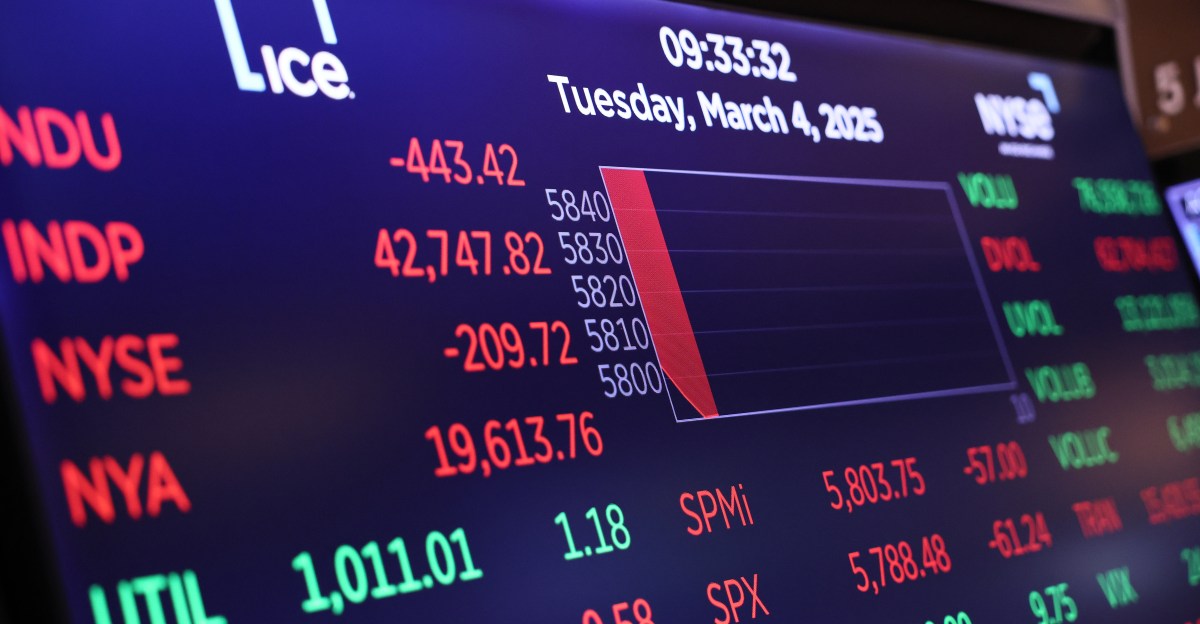
Unveiling the Uncommon: Are We on the Brink of a Unique Economic Crisis?
As inflation persists, interest rates climb, and consumer confidence wavers, economists warn the U.S. may face an unprecedented economic crisis unlike traditional recessions. With conflicting signals from labor markets, housing, and Wall Street, experts suggest this potential upheaval could challenge conventional fiscal policies. Here’s what businesses, investors, and households need to know about the brewing storm.
The Perfect Storm of Economic Indicators
Recent data paints a paradoxical picture: while unemployment remains at a historic low of 3.7%, inflation has stubbornly hovered above 3% for 12 consecutive months. Meanwhile, the Federal Reserve’s aggressive rate hikes—now at a 22-year high—have failed to cool prices as quickly as anticipated. “We’re navigating uncharted waters,” says Dr. Elena Rodriguez, Chief Economist at the Brookings Institution. “This isn’t stagflation, nor is it a typical downturn. The simultaneous strength and fragility across sectors is what makes this situation particularly alarming.”
Key warning signs include:
- A 7% year-over-year drop in commercial real estate transactions
- Credit card delinquencies surpassing pre-pandemic levels at 2.7%
- Goldman Sachs’ revised recession probability model showing a 35% chance within 12 months
Consumer Impact: Squeezed from All Sides
American households face mounting pressures as wages fail to keep pace with living costs. The Labor Department reports real average hourly earnings decreased 0.5% in Q2 2023, marking the fifth consecutive quarterly decline. “Families are exhausting pandemic savings just to maintain essentials,” notes consumer finance expert Mark Takahashi. “The personal savings rate has plummeted to 3.5%, nearing historic lows last seen during the 2008 crisis.”
Particularly vulnerable groups include:
- Millennials carrying record student debt amid rising mortgage rates
- Small businesses facing 20-30% increases in commercial loan rates
- Retirees depending on fixed incomes as Medicare premiums rise 8.7%
Investor Dilemmas in Volatile Markets
Wall Street’s reaction has been equally conflicted. The S&P 500 gained 12% year-to-date, yet bond markets flash warning signals with an inverted yield curve persisting since July 2022—historically a reliable recession predictor. “Investors are playing both sides,” observes wealth manager Sarah Chen. “They’re chasing tech stock rallies while hoarding cash positions at levels not seen since 2001.”
Emerging trends suggest:
- Corporate earnings growth slowed to 0.1% in Q2 versus 5.8% projections
- Foreign direct investment in U.S. assets dropped 18% this fiscal year
- Bitcoin’s 60% surge signals growing distrust in traditional markets
Policy Makers’ Tightrope Walk
The Federal Reserve faces diminishing policy options after raising rates 11 times since March 2022. Further hikes risk triggering mass corporate defaults—especially in the overleveraged tech sector—while pausing could reignite inflation. “We’ve exhausted the textbook solutions,” admits former Treasury official Robert Kaplan. “What comes next may require entirely new frameworks for economic stabilization.”
Potential scenarios under discussion:
- Yield curve control to cap long-term interest rates
- Targeted fiscal interventions for critical industries
- Revised inflation metrics excluding volatile energy/food prices
Global Ripple Effects and Comparisons
This potential crisis differs markedly from 2008’s housing collapse or 2020’s pandemic shock. Unlike previous downturns, service sector strength buffers manufacturing declines, while energy independence insulates the U.S. from overseas shocks. However, 78% of IMF member countries report similar economic tensions, suggesting synchronized global instability.
Notable international parallels:
- China’s post-COVID recovery stalling at 4.9% GDP growth
- Germany entering technical recession after two quarterly contractions
- Emerging markets like Argentina battling 109% inflation
Preparing for the Unpredictable
Financial advisors recommend diversified strategies: boosting emergency funds, reviewing debt exposure, and reassessing risk tolerance. “History doesn’t repeat, but it often rhymes,” cautions Nobel laureate economist Paul Samuelson. “The wisest approach now is prudent preparation rather than panic.”
As economists debate whether this constitutes a true crisis or merely a turbulent transition, one consensus emerges: the rules have changed. Businesses and individuals must stay informed through credible sources like the Federal Reserve’s economic reports and adjust strategies accordingly. The coming months will test whether America’s economic foundations can withstand this unique convergence of challenges.
See more CCTV News Daily