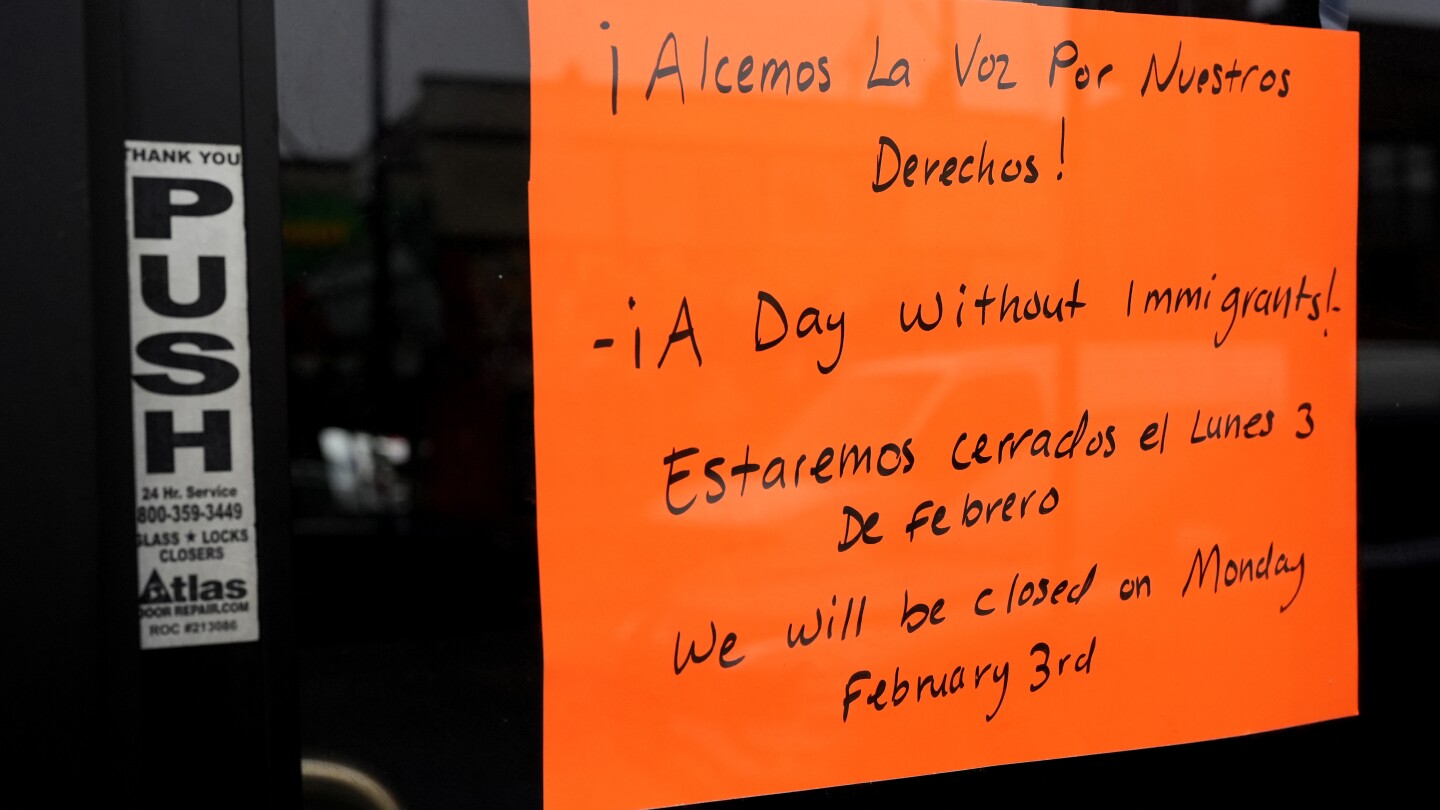
The Economic Impact of a ‘Day Without Immigrants’
In recent years, the phrase “A Day Without Immigrants” has resonated deeply across the United States. This movement, often characterized by immigrant workers choosing to stay home from their jobs in protest, sheds light on the significant economic contributions of immigrants. As some businesses close their doors in solidarity, the economic repercussions of their absence become glaringly apparent. This article delves into the broader implications for the economy and underscores the vital role immigrants play across various industries.
Understanding the Movement
A ‘Day Without Immigrants’ serves as a powerful reminder of the essential services and labor provided by immigrant workers. Originating from labor movements and amplified by various protests against immigration policies, this day aims to highlight the indispensable contributions of immigrants in sectors ranging from agriculture to technology.
When immigrants stay home, industries experience immediate disruptions. From restaurants shuttering for the day to construction sites going silent, the absence of immigrant labor creates a ripple effect felt throughout the economy. The stark reality is that many businesses rely heavily on immigrant workers, and their absence can lead to significant financial strain.
The Direct Economic Consequences
One of the most immediate impacts of a ‘Day Without Immigrants’ is the loss of revenue for businesses dependent on immigrant labor. For instance, in the restaurant industry, it’s not uncommon for immigrant workers to make up a substantial percentage of the workforce. A one-day shutdown can lead to:
- Lost Revenue: Restaurants, cafes, and food trucks may see thousands of dollars in lost sales on a day when they typically serve a full clientele.
- Supply Chain Disruptions: Industries such as agriculture and construction can face delays in project timelines due to halted labor.
- Increased Costs: Some businesses may be forced to pay overtime or hire temporary workers at inflated rates to compensate for the absence of regular employees.
Broader Economic Implications
The impact of a ‘Day Without Immigrants’ extends beyond immediate losses for businesses. It also has broader economic implications, affecting local economies, job markets, and tax revenues. Some significant points to consider include:
- Local Economy Stimulation: Many small businesses in immigrant communities thrive on the labor provided by these workers. When they are absent, the local economy suffers, leading to decreased spending in surrounding businesses.
- Employment Gaps: Industries that rely on immigrant labor may find it hard to fill positions quickly, leading to longer-term employment gaps that can hinder economic growth.
- Tax Revenue Loss: With businesses earning less, there’s a subsequent decline in tax revenues that fund public services, schools, and infrastructure.
The Role of Immigrants in Key Industries
Immigrants are pivotal in numerous sectors, and their absence during a ‘Day Without Immigrants’ starkly showcases their importance. Here are a few key industries that heavily rely on immigrant workers:
Agriculture
Agriculture stands out as one of the most labor-intensive industries in the U.S., employing a significant number of immigrant workers. These workers are essential in:
- Planting and harvesting crops
- Maintaining farms and livestock
- Processing food products
Without their labor, crops may go unharvested, leading to massive food waste and increased prices for consumers.
Construction
The construction industry also heavily relies on immigrant labor. Many workers are employed in:
- Building homes and commercial properties
- Renovating existing structures
- Performing skilled trades, such as plumbing and electrical work
A ‘Day Without Immigrants’ in this sector can halt projects, resulting in costly delays and unmet housing demands.
Service Industry
Restaurants, hotels, and other service-based businesses often depend on immigrant workers. Their absence can lead to:
- Reduced customer service quality
- Longer wait times and diminished customer satisfaction
- Temporary closures of establishments
Community and Economic Resilience
Despite the challenges posed by a ‘Day Without Immigrants,’ communities have shown remarkable resilience and solidarity. Many businesses close in support of immigrant workers, highlighting a shared commitment to social justice and equality. Such acts can foster community unity and drive conversations about immigration reform.
Additionally, the economic impact of these movements can serve as a wake-up call for policymakers. Recognizing the contributions of immigrant workers can lead to more inclusive policies that support their rights and acknowledge their economic significance.
Conclusion
The economic impact of a ‘Day Without Immigrants’ is multifaceted, revealing not just the immediate challenges faced by businesses but also highlighting the indispensable role immigrants play in the U.S. economy. As various industries grapple with the absence of immigrant labor, it becomes increasingly clear that the nation’s economic health is intertwined with the well-being of its immigrant workforce.
As we move forward, it is crucial for both employers and policymakers to recognize and address the needs of immigrant workers, ensuring their rights are protected and their contributions valued. By doing so, we can build a more inclusive economy that benefits everyone, fostering growth, stability, and resilience in the face of challenges.
See more CCTV News Daily