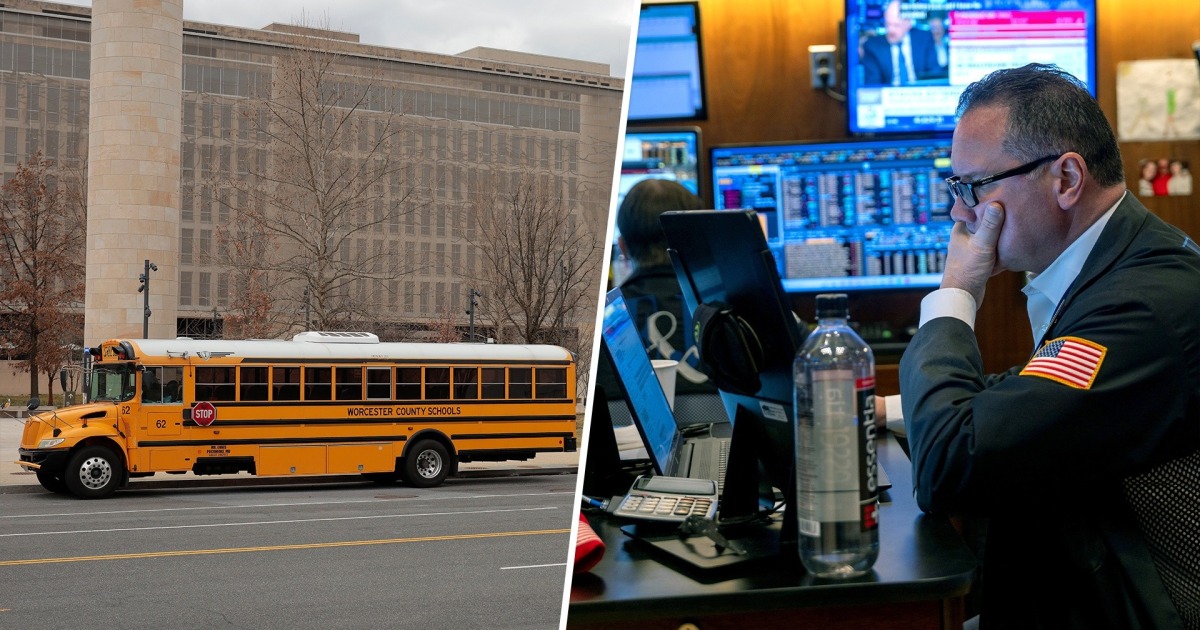
Education Department Workforce Cuts Spark Market Turmoil Amid New Tariffs
In a surprising turn of events, recent workforce reductions at the Education Department have ignited a wave of uncertainty across the financial markets. This significant development coincides with the implementation of new tariffs, creating a dual pressure on the economy that raises critical questions about the future of education funding and market stability. As these two factors intertwine, understanding their ramifications is essential for stakeholders across various sectors.
The Impact of Workforce Cuts on Education Funding
Workforce cuts within the Education Department can lead to profound changes in how educational programs are funded and managed. With fewer personnel, the ability to administer programs effectively diminishes, potentially resulting in:
- Reduced Oversight: Fewer staff members means less oversight of educational institutions, which can lead to inconsistencies in funding distribution and program implementation.
- Limitations on Program Development: With a leaner workforce, the department may struggle to develop and launch new initiatives aimed at improving educational outcomes.
- Increased Burden on Remaining Staff: Those who remain may face increased workloads, which can lead to burnout and further inefficiencies.
As these cuts unfold, educators and administrators may find themselves grappling with a less responsive system, straining the very fabric of public education.
Market Reactions to Educational Workforce Reductions
The immediate aftermath of the Education Department’s workforce cuts has seen a ripple effect throughout the financial markets. Investors tend to react to changes in government policies, especially those that could impact economic growth. The following factors contribute to the current market turmoil:
- Investor Confidence: Uncertainty around education funding can undermine investor confidence, particularly in sectors reliant on government contracts or grants.
- Stock Volatility: The stock market often reacts negatively to news of government layoffs, leading to increased volatility as investors reassess their portfolios.
- Sector-Specific Impacts: Companies involved in educational technology, training, and related fields may face declines in stock prices due to anticipated reductions in funding.
These reactions reveal an intricate connection between educational policy and market performance, emphasizing the need for stability and predictability in government operations.
New Tariffs and Their Economic Implications
Compounding the situation are the newly imposed tariffs, which have their own set of implications for the economy. Tariffs can lead to increased costs for imported goods, which may have a cascading effect on various industries. The following points outline how new tariffs can amplify the current market turmoil:
- Increased Consumer Prices: Tariffs often result in higher prices for consumers, which can reduce disposable income and dampen consumer spending.
- Global Supply Chain Disruptions: Companies reliant on international supply chains may face delays and increased costs, leading to reduced profitability.
- Trade Relations: New tariffs can strain relationships with trading partners, potentially leading to retaliatory measures that could further complicate the economic landscape.
The combination of workforce cuts and tariffs creates a precarious environment for both education and the broader economy, necessitating vigilant attention from policymakers and business leaders alike.
Strategies to Mitigate Negative Effects
In light of these developments, it’s crucial for stakeholders to adopt strategies that can help mitigate the negative effects of workforce cuts at the Education Department and the imposition of new tariffs:
- Diversification of Funding Sources: Educational institutions can seek alternative funding sources, such as private grants and partnerships, to reduce reliance on federal funding.
- Advocacy for Educational Investment: Engaging in advocacy efforts to promote educational investment at the local, state, and federal levels can help counteract the impact of workforce cuts.
- Strategic Financial Planning: Companies affected by tariffs should consider strategic financial planning to cushion against potential losses, including cost-cutting measures and exploring new markets.
By proactively addressing these challenges, stakeholders can work towards stabilizing both the educational landscape and the financial markets.
The Future of Education and Economic Stability
Looking ahead, the interplay between workforce cuts at the Education Department and new tariffs poses significant challenges but also opportunities for innovation and reform. As the nation navigates these turbulent waters, several key considerations emerge:
- Emphasis on Efficiency: The Education Department may need to adopt more efficient practices to maximize the impact of available resources, ensuring that cuts do not translate into diminished educational quality.
- Collaboration with the Private Sector: Increased collaboration between the government and private sector could lead to innovative solutions to funding and educational challenges.
- Focus on Resilient Educational Models: Investing in resilient educational models, such as online learning and community-based programs, may better prepare the sector for future uncertainties.
Ultimately, the path forward will require a concerted effort from government officials, educational leaders, and the business community to create a stable and supportive environment for education and the economy as a whole.
Conclusion
In conclusion, the recent workforce cuts at the Education Department, coupled with the introduction of new tariffs, have sparked significant market turmoil and raised pressing questions about the future of both education funding and economic stability. By understanding the implications of these changes and adopting strategic measures to address the challenges, stakeholders can work towards a more resilient and effective educational landscape. As we move forward, collaboration, innovation, and advocacy will be vital in ensuring that education remains a cornerstone of our society, even amid economic uncertainties.
See more CCTV News Daily