Egg Prices Dip: What Grocery Shoppers Need to Know
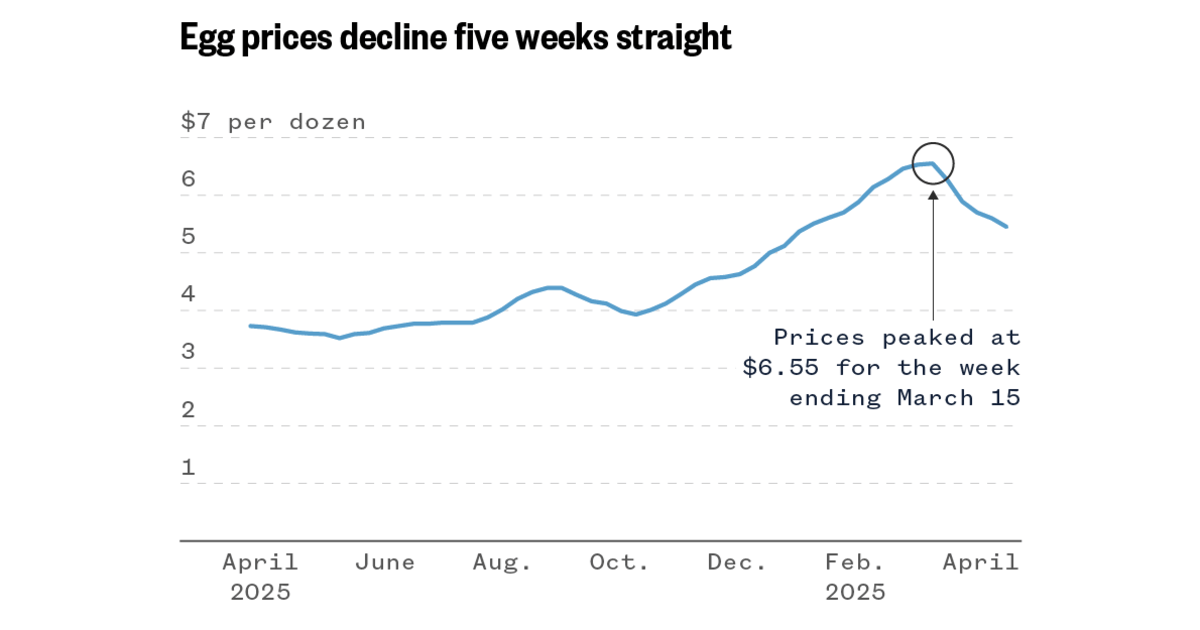
After months of soaring costs, egg prices have finally begun to decline, offering relief to budget-conscious consumers. Over the past three months, the average price of a dozen eggs has dropped by 18%, according to the latest U.S. Bureau of Labor Statistics data. Experts attribute this shift to recovering poultry flocks after the devastating avian flu outbreak, improved supply chain efficiency, and stabilizing feed costs. Here’s what shoppers should know about the trend and whether it will last.
Why Egg Prices Are Falling Now
The recent price drop marks a significant reversal from 2022-2023, when eggs became a poster child for food inflation. The primary driver was the avian influenza epidemic, which wiped out nearly 58 million commercial and backyard birds—the deadliest outbreak in U.S. history. However, poultry producers have since rebuilt flocks, with the USDA reporting a 12% year-over-year increase in egg-laying hens as of May 2024.
“We’re seeing a classic supply-demand rebalancing,” explains Dr. Sarah Lin, an agricultural economist at Cornell University. “With more hens in production and fewer disease disruptions, wholesale egg prices have normalized. Retailers are now passing those savings to customers.”
Additional factors contributing to the decline include:
- Lower feed costs: Corn and soybean meal prices—key components of chicken feed—have dropped 14% since their 2023 peak
- Improved logistics: Shipping delays have eased, reducing transportation expenses
- Seasonal patterns: Spring typically brings higher production as daylight increases stimulate laying
Regional Variations in Price Reductions
While the national trend points downward, not all areas are experiencing equal relief. Midwestern states, closer to major egg-producing regions like Iowa and Ohio, have seen sharper drops (22% on average) compared to coastal markets (15%). Organic and specialty eggs also remain elevated, with prices just 8% below last year’s highs.
“Location still matters tremendously,” notes grocery analyst Mark Richardson. “A dozen conventional eggs now costs $2.49 in Des Moines but $3.15 in Los Angeles. Rural shoppers are benefiting most from the dip.”
Future Trends: Will Lower Egg Prices Last?
Industry observers are cautiously optimistic about continued price stability, though several variables could alter the trajectory:
Potential Risks to the Downward Trend
1. Avian flu resurgence: The virus remains endemic in wild birds. A new wave of outbreaks could again devastate flocks.
2. Feed cost volatility: Drought conditions in key growing regions might push grain prices back up.
3. Labor shortages: Processing plants still face staffing challenges that could impact supply chains.
Dr. Lin warns, “We’re not out of the woods yet. The USDA has detected avian influenza in wild flocks as recently as last month. Producers have improved biosecurity, but the threat persists.”
Consumer Impact and Shopping Strategies
For households that consume eggs regularly—the average American family buys about 279 eggs annually—the price drop translates to meaningful savings. A family purchasing five dozen eggs monthly now spends roughly $15 less than they did in December.
Shoppers can maximize benefits by:
- Comparing unit prices (cost per ounce) between different pack sizes
- Purchasing store brands, which have seen larger price reductions than name brands
- Buying in bulk if storage allows, as prices are expected to remain stable through summer
Broader Implications for Food Inflation
The egg market often serves as an early indicator for broader grocery trends. As the most volatile component of the USDA’s “dairy and eggs” category, its stabilization suggests other food items may follow suit. Already, dairy prices have begun moderating, with milk down 5% since January.
“Eggs are the canary in the coal mine for food inflation,” says Richardson. “When they stabilize, it usually signals that supply chains are healing overall. We expect to see similar patterns in poultry and pork next.”
What This Means for Your Grocery Budget
While relief is welcome, economists caution that prices remain 37% higher than pre-pandemic levels. The current dip brings eggs closer to historical norms but doesn’t erase years of inflationary pressure. Budget-conscious consumers should still:
- Monitor weekly circulars for loss-leader specials
- Consider alternative protein sources during promotional periods
- Utilize freezer storage for extended shelf life
Looking ahead, most projections suggest egg prices will hover around current levels through 2024 barring major disruptions. The USDA’s Livestock, Dairy, and Poultry Outlook forecasts a 3-5% additional decline by year’s end as production fully recovers.
For real-time price tracking in your area, check your state’s agricultural department website or subscribe to USDA market reports. Staying informed helps shoppers make the most of evolving market conditions.
See more CCTV News Daily