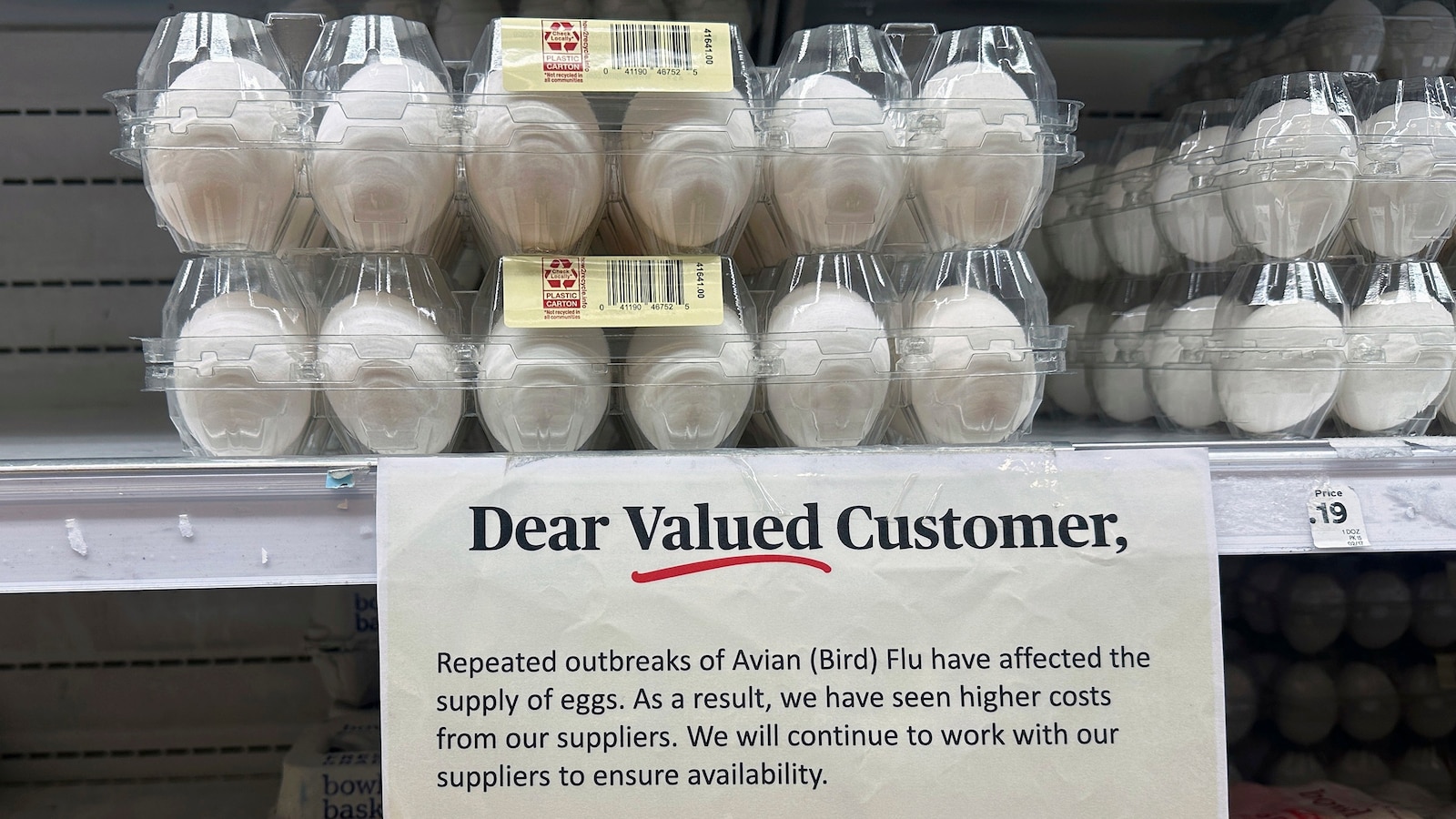
Uncovering the Truth Behind Rising Egg Prices: DOJ Investigates Major Producers
As egg prices soar to unprecedented heights, the Department of Justice (DOJ) has launched an investigation into leading producers. The sudden spike in prices has left consumers bewildered, prompting questions about the underlying causes of this phenomenon. In this article, we will delve into the factors contributing to rising egg prices, explore the DOJ’s investigation, and examine the broader implications for consumers and the poultry industry alike.
The Rise of Egg Prices: A Closer Look
Over the past year, egg prices have seen a dramatic increase, with retail prices nearly doubling in some regions. According to the U.S. Department of Agriculture (USDA), the average price for a dozen large eggs reached an astonishing $4.25 in early 2023, up from $2.00 just a year prior. This surge has raised eyebrows across the nation, leading many to question what’s driving this inflation.
- Supply Chain Disruptions: The COVID-19 pandemic has caused widespread disruptions in supply chains, affecting everything from feed production to distribution networks.
- Inflation: General inflation in the economy has also played a role, increasing the costs of production and transportation for egg producers.
- Avian Influenza Outbreaks: The poultry industry has been hit hard by outbreaks of avian influenza, which led to the culling of millions of birds, significantly reducing supply.
- Increased Demand: With consumers returning to normal life post-pandemic, the demand for eggs has surged, further straining the already challenged supply.
The DOJ Investigation: What We Know So Far
The DOJ’s investigation into major egg producers stems from concerns that rising prices may be the result of collusion or anti-competitive practices rather than natural market forces. The inquiry aims to determine whether any illegal activities have contributed to the steep price increases.
Several major producers, including Cal-Maine Foods, the largest egg producer in the United States, are under scrutiny. The DOJ is examining:
- Pricing Strategies: Investigators are looking into whether companies have engaged in price-fixing or other anti-competitive behaviors.
- Market Control: The concentration of market power in a few large firms raises questions about monopolistic practices that could be driving prices higher.
- Transparency in Reporting: The DOJ is assessing whether producers have been adequately transparent about their production costs and supply levels.
Consumer Impact: What Does This Mean for You?
For the average consumer, rising egg prices can have significant financial implications. Eggs are a staple in many households, used in everything from breakfast dishes to baked goods. As prices rise, families may need to adjust their budgets or seek alternatives.
Here are some potential impacts on consumers:
- Increased Grocery Bills: With egg prices on the rise, consumers can expect their overall grocery bills to increase, affecting budgets and household spending.
- Shift in Consumption: Higher prices may lead consumers to purchase fewer eggs or seek out alternative protein sources, which could impact the overall market dynamics.
- Long-Term Price Stability: Depending on the outcome of the DOJ investigation, future prices may stabilize or fluctuate further based on regulatory actions or changes in production practices.
Industry Perspectives: What Producers Are Saying
In response to the rising prices and the DOJ’s scrutiny, many egg producers have defended their pricing. They argue that the price increases are due to legitimate factors beyond their control, such as:
- Cost of Feed: The cost of feed has risen significantly, driven by global supply chain issues and increased demand for grains.
- Regulatory Compliance: Compliance with animal welfare regulations has led to increased operational costs for producers, which are reflected in retail prices.
- Market Fluctuations: Producers contend that egg prices are subject to market fluctuations and that the current prices are a natural result of economic conditions.
Looking Ahead: Potential Outcomes of the Investigation
The DOJ’s investigation could lead to several potential outcomes that might reshape the egg production landscape:
- Regulatory Changes: If evidence of anti-competitive behavior is found, the DOJ may implement stricter regulations to ensure fair competition in the market.
- Market Adjustments: Increased scrutiny may prompt producers to adjust their pricing strategies, potentially leading to a stabilization of prices.
- Consumer Protections: The investigation could result in enhanced consumer protections and transparency requirements for egg producers.
The rising egg prices have sparked a complex interplay of factors that are now under the microscope of the DOJ. As the investigation unfolds, it is essential for consumers to stay informed and understand the broader implications for the poultry industry and their wallets. While the immediate future may seem uncertain, there is hope that regulatory oversight will help stabilize the market and ensure fair pricing for consumers.
In the meantime, consumers can take proactive steps to manage their grocery budgets, including exploring local farmers’ markets, seeking out alternative protein sources, or even considering backyard chicken-keeping as a long-term solution to rising egg costs. By staying informed and adaptable, consumers can navigate the challenges posed by rising egg prices and contribute to a more stable food economy.
See more CCTV News Daily