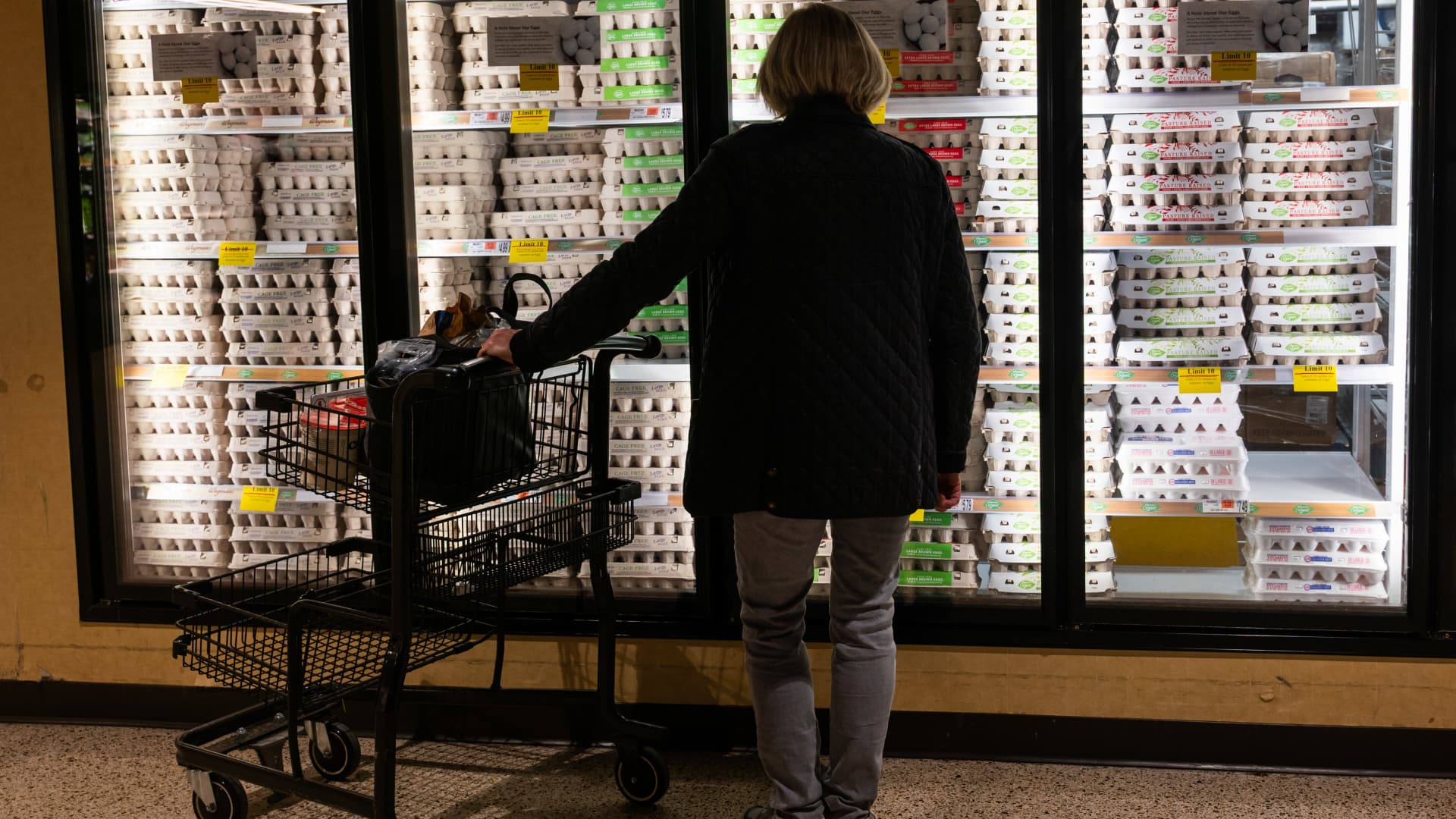
Egg Price Plunge: Understanding the Impact on Your Grocery Bill
In recent months, analysts have observed a significant drop in wholesale egg prices, which is promising news for consumers who have been grappling with rising grocery bills. As egg prices plunge, many shoppers are eager to understand what this means for their wallets at the checkout line. This article delves into the reasons behind the price drop, its implications for consumers, and what shoppers can expect moving forward.
The Current State of Egg Prices
The egg market has experienced notable volatility over the past few years, largely due to various factors including supply chain disruptions, avian influenza outbreaks, and inflation. However, recent reports indicate that wholesale egg prices have decreased significantly. According to the latest data from the USDA, the average price for a dozen large eggs has fallen dramatically, offering a much-needed respite for consumers.
- Wholesale Price Drop: Reports suggest that wholesale egg prices have decreased by more than 50% in some regions compared to their peak in early 2023.
- Retail Price Adjustments: As wholesale prices decline, retailers are likely to adjust their prices accordingly, which could translate to lower costs for consumers in grocery stores.
The Factors Behind the Egg Price Plunge
To fully grasp the significance of the egg price plunge, it’s essential to understand the factors contributing to this trend. Here are some of the primary reasons:
- Increased Supply: Following previous shortages, many egg producers have ramped up production to meet consumer demand. This influx of eggs in the market has contributed to the lower prices.
- Improved Health of Poultry: After battling avian influenza, the health of poultry flocks has stabilized. This improvement allows for more consistent egg production, which helps drive prices down.
- Economic Conditions: As inflation pressures ease, the overall cost of goods, including eggs, tends to decrease. Consumers are feeling some relief as economic conditions begin to stabilize.
What This Means for Your Grocery Bill
The drop in egg prices is likely to provide relief for many shoppers. Eggs are a staple in American households, used in everything from breakfast dishes to baking. Here’s how the price plunge could affect your grocery bill:
- Lower Grocery Bills: With the price of eggs dropping, consumers can expect to see a reduction in their overall grocery expenses, particularly for those who rely heavily on eggs in their diets.
- Potential Price Wars: As retailers compete for customer attention, we may see price wars emerging, further driving down the costs of eggs and related products.
- Increased Purchasing Power: With savings from lower egg prices, consumers may feel more empowered to purchase additional groceries or higher-quality products.
Consumer Sentiment and Shopping Behavior
As egg prices plunge, consumer sentiment is shifting positively. Many shoppers have faced financial stress due to rising prices across the board, and the news of lower egg prices offers a glimmer of hope. Here are some insights into how this change may influence shopping behavior:
- Increased Egg Consumption: With lower prices, consumers may increase their egg consumption, leading to greater sales in grocery stores.
- Experimentation with Recipes: Cheaper eggs could encourage home cooks to try new recipes, incorporating eggs into more meals, which might lead to a healthier diet.
- Focus on Budgeting: Many families are likely to re-evaluate their grocery budgets, using the savings from lower egg prices to explore other food categories.
Long-Term Implications of the Price Drop
While the immediate effects of the egg price plunge are positive, it is essential to consider the long-term implications for the market and consumers:
- Market Stability: If the price drop leads to more stable egg prices in the long term, consumers can expect fewer drastic fluctuations in their grocery bills.
- Investment in Poultry Farms: A healthier market for eggs may encourage investments in poultry farming, leading to innovations and improved farming practices.
- Consumer Education: As prices fluctuate, educating consumers about the factors influencing food prices can empower them to make informed decisions at the store.
What to Watch For in the Coming Months
As we move forward, there are several key factors to monitor regarding egg prices and overall grocery costs:
- Seasonal Demand: Egg prices may experience fluctuations based on seasonal demand, particularly around holidays when egg consumption spikes.
- Market Trends: Keep an eye on market trends and any potential disruptions that might lead to price increases, such as disease outbreaks or supply chain issues.
- Consumer Behavior: Observing how consumers adapt to the current price changes can provide insights into future purchasing patterns and preferences.
Conclusion: An Optimistic Outlook
The recent egg price plunge marks a significant moment in the grocery sector, offering much-needed relief to consumers. As wholesale prices continue to decrease, it’s reasonable to expect lower prices at the retail level, which could lead to improved grocery bills for families across the nation. While it’s essential to remain vigilant about potential market fluctuations, the current landscape is one of optimism. Shoppers can embrace this opportunity to enjoy their favorite meals without the burden of skyrocketing prices, all thanks to the favorable changes in the egg market.
See more CCTV News Daily