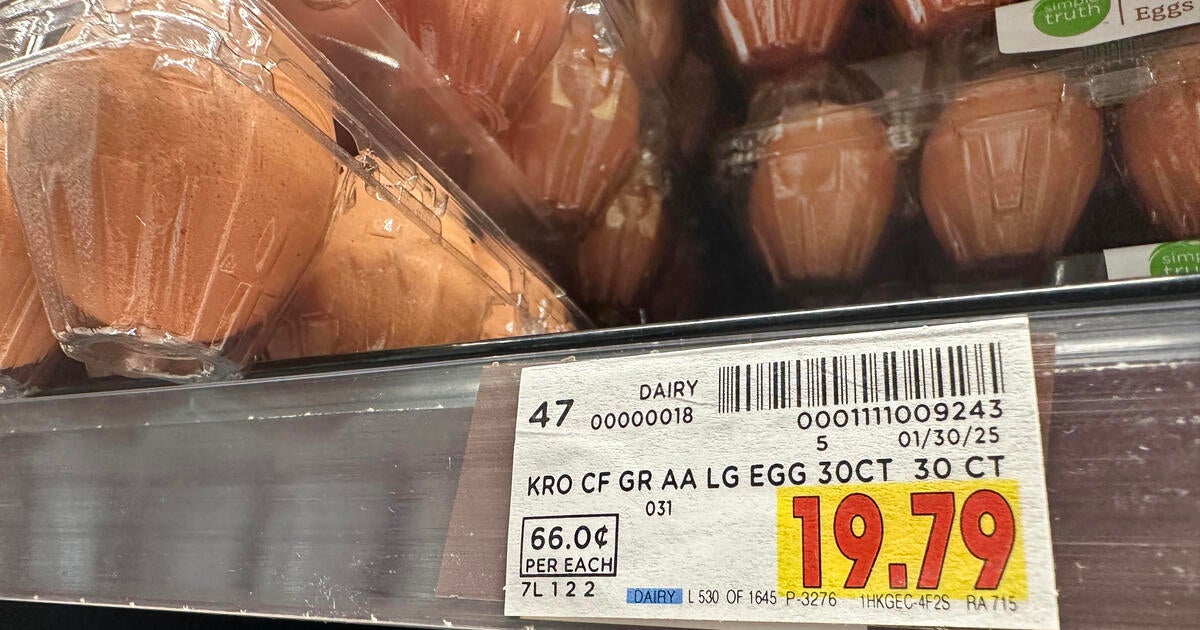
Unpacking the Surge: Why Egg Prices Soared 15% This January
This January, consumers were taken aback as egg prices surged by a staggering 15%. As shoppers flocked to grocery stores, they found not only inflated prices but also purchase limits imposed by retailers, prompting a wave of confusion and concern. The question on everyone’s mind is: what’s driving this dramatic increase? In this article, we’ll explore the underlying factors contributing to the spike in egg prices, the implications for shoppers, and what this means for the broader economy.
Understanding the Egg Price Surge
The sudden rise in egg prices can be attributed to a confluence of factors, including supply chain disruptions, increased feed costs, and heightened demand. Let’s delve deeper into each of these elements to better understand the situation.
1. Supply Chain Disruptions
One of the primary catalysts for the surge in egg prices is the ongoing supply chain issues that have plagued various sectors since the onset of the COVID-19 pandemic. Egg production is sensitive to disruptions, and several factors contributed to these challenges:
- Poultry Health Crises: A resurgence of avian influenza outbreaks has decimated flocks across the United States. When large numbers of hens are culled to prevent the spread of disease, the immediate effect is a significant reduction in egg production.
- Labor Shortages: The pandemic has led to labor shortages in the agricultural sector. With fewer workers available to manage farms, production rates have diminished, directly impacting the supply of eggs.
- Transportation Challenges: Even when producers have eggs to sell, logistical challenges can hinder their ability to reach consumers. Trucking shortages and delays at shipping ports have compounded the issue, further constraining supply.
2. Increased Feed Costs
Another critical factor contributing to the surge in egg prices is the rising cost of feed. Feed accounts for a substantial portion of the expenses incurred by egg producers. The prices of corn and soybeans, staples in poultry feed, have soared due to:
- Global Market Fluctuations: Droughts, floods, and geopolitical tensions have disrupted the production of these key crops worldwide, leading to increased costs.
- Inflationary Pressures: With the economy experiencing inflation, the costs associated with manufacturing and transporting feed have also risen, which in turn affects the overall cost of egg production.
3. Heightened Demand
The demand for eggs has seen a significant uptick, particularly as consumers gravitate toward affordable protein sources during economic uncertainty. Eggs are not only versatile and nutritious but also a staple in many households. Several factors have contributed to this heightened demand:
- Increased Home Cooking: The pandemic has led to a resurgence in home cooking, with families opting to prepare meals at home rather than dining out. This trend has increased the demand for essential ingredients, including eggs.
- Dietary Preferences: Many consumers are shifting towards healthier diets that include more protein, making eggs a popular choice.
Implications for Consumers
The 15% surge in egg prices has significant implications for consumers. As prices rise, many shoppers are forced to reevaluate their purchasing habits. Here’s what this means for consumers:
- Budget Adjustments: Families may need to adjust their grocery budgets to accommodate the increased cost of eggs, potentially cutting back on other items.
- Impact on Meal Planning: Higher egg prices might lead consumers to seek alternative protein sources, which can affect meal planning and dietary choices.
- Purchase Limits: Retailers have begun imposing limits on the number of egg cartons a consumer can buy at once, leading to concerns about scarcity and prompting panic buying.
Looking Ahead: What to Expect
The surge in egg prices raises questions about future pricing trends and availability. While it’s challenging to predict exact outcomes, several factors will play a crucial role:
- Monitoring Avian Influenza: The control of avian influenza outbreaks will be essential in stabilizing egg production levels. If outbreaks can be contained, this may help restore supply.
- Feed Cost Stabilization: As global agricultural markets stabilize and inflationary pressures ease, feed costs may begin to decline, potentially lowering overall production costs.
- Consumer Behavior: If consumers shift their purchasing habits in response to higher prices, this could affect demand dynamics and influence future pricing.
Conclusion
In summary, the 15% surge in egg prices this January is a multifaceted issue driven by supply chain disruptions, increasing feed costs, and heightened consumer demand. While the current situation poses challenges for shoppers, understanding the factors at play can help consumers navigate the landscape more effectively. As we look to the future, staying informed and adaptable will be essential in managing the implications of these price changes. By keeping an eye on both market trends and personal consumption habits, consumers can make more informed decisions that align with their budgets and needs.
Ultimately, while the current egg price surge may be disheartening, it also presents an opportunity for consumers to explore new culinary avenues and consider the broader implications of food production in our economy.
See more CCTV News Daily