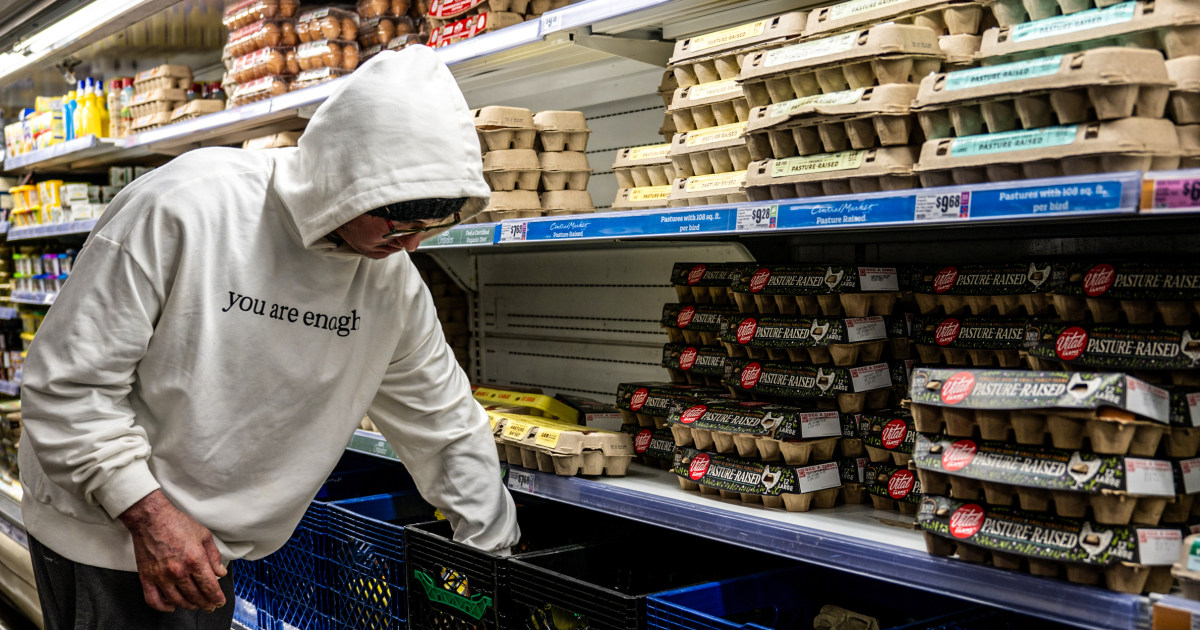
The Egg Price Surge: Factors and Implications for Consumers
As egg prices continue to soar, consumers are left grappling with the question: what’s driving this increase? The recent surge in egg prices is a significant concern, particularly under the policies implemented during the Trump administration. This article delves into the various factors fueling the price hike, analyzes the implications for consumers, and discusses what this trend indicates for the future of food pricing.
Understanding the Egg Price Surge
In recent months, consumers have witnessed a dramatic rise in the cost of eggs, with prices climbing more than 60% in some regions. Several factors contribute to this surge, including supply chain disruptions, avian influenza outbreaks, and inflation. Let’s break these down further.
- Supply Chain Disruptions: The COVID-19 pandemic has had a lasting impact on supply chains across various industries. For the egg industry, disruptions in transportation and labor shortages have made it harder for producers to get their products to market. This has exacerbated the supply-demand imbalance, leading to higher prices.
- Avian Influenza Outbreaks: One of the most significant factors affecting egg prices is the outbreak of avian influenza (AI). In 2022, several states experienced severe outbreaks that led to the culling of millions of hens. This drastic reduction in egg-laying capacity has resulted in lower supply, pushing prices upward.
- Inflation and Feed Costs: Rising inflation has affected nearly every aspect of the economy, including food prices. The cost of feed, which constitutes a large portion of the expenses for egg producers, has surged due to high prices for corn and soybean. As producers grapple with these increased costs, they often pass them on to consumers.
The Impact of Trump’s Policies on Egg Prices
Under the Trump administration, several agricultural policies were implemented that have had a lasting impact on the food industry. While some initiatives aimed to bolster American agriculture, others may have inadvertently contributed to the current price surge.
- Trade Policies: Trump’s trade policies, including tariffs on imported goods, affected the agricultural sector significantly. Tariffs on feed imports and other agricultural supplies have contributed to increased costs for producers, which can trickle down to the consumer.
- Regulatory Changes: The administration also rolled back several regulations intended to promote food safety and animal welfare. While these changes were aimed at reducing compliance costs for farmers, they raised concerns about the long-term sustainability of poultry farming practices, which can impact supply and prices.
What This Means for Consumers
The surge in egg prices has serious implications for consumers, particularly those in lower-income brackets who rely on affordable protein sources. Eggs have historically been one of the most economical sources of nutrition, but the current price increases challenge this status. Here’s what consumers should consider:
- Budgeting for Groceries: With rising prices, consumers may need to adjust their grocery budgets. It’s essential to prioritize spending on essential items and explore alternatives to eggs where possible.
- Health Implications: Eggs are a rich source of protein, vitamins, and minerals. As prices rise, some consumers may opt for less nutritious alternatives, which could impact overall health.
- Market Trends: The current situation may push consumers towards shopping at local farmers’ markets or investing in backyard chicken coops as a means of securing a more stable supply of eggs.
Looking Ahead: Future of Egg Prices
While the current surge in egg prices is alarming, there are signs that the situation could stabilize in the coming months. Experts suggest that as the poultry industry recovers from the effects of avian influenza and supply chain disruptions ease, prices may eventually return to more normal levels.
However, the volatility caused by unforeseen events—such as disease outbreaks or economic shifts—remains a concern. Consumers should stay informed about market trends and adjust their purchasing habits accordingly. Additionally, investing in local agriculture and supporting sustainable farming practices can help mitigate the risks associated with future price surges.
Conclusion
The egg price surge is a multifaceted issue influenced by supply chain disruptions, disease outbreaks, and inflation. Under Trump’s policies, several factors have contributed to the current landscape of food pricing, with significant implications for consumers. As we navigate these challenging times, it’s crucial for consumers to remain adaptable, seek out alternatives, and support sustainable practices in agriculture. By doing so, we can foster a healthier food system that benefits everyone.
As we move forward, let’s hope that the lessons learned from this surge will lead to more resilient agricultural practices and a more stable food economy for all.
See more CCTV News Daily