USDA Warns of Potential 41% Surge in Egg Prices Amid Trump’s New Bird Flu Strategy
The United States Department of Agriculture (USDA) has recently issued a warning that egg prices could soar by as much as 41% in the coming months. This alarming forecast coincides with the announcement of former President Donald Trump’s new strategy to combat avian influenza, commonly known as bird flu. The implications of this increase are significant, affecting consumers, the poultry industry, and the broader economy. In this article, we will explore the factors contributing to this potential surge in egg prices, the economic implications, and what consumers can do to prepare.
Understanding the Current State of the Egg Market
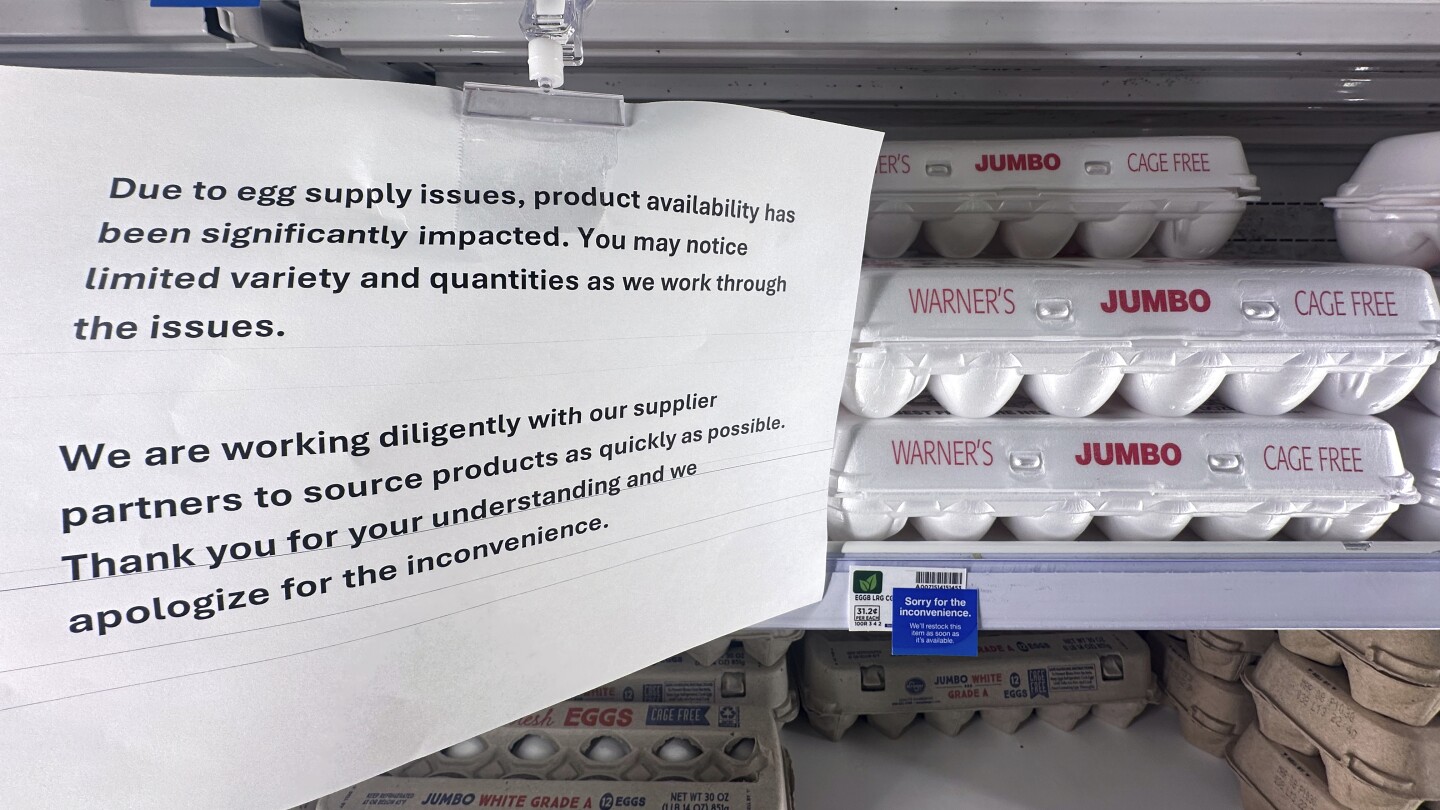
The egg market has been experiencing volatility in recent years, primarily due to outbreaks of bird flu that have decimated poultry populations across the country. In 2022 alone, millions of birds were culled to contain the spread of the virus, leading to a significant reduction in egg production. As the USDA warns of a potential 41% increase in prices, it is crucial to understand the dynamics at play in the egg market.
Factors Influencing Egg Prices
Several factors contribute to the projected rise in egg prices:
- Supply Chain Disruptions: The COVID-19 pandemic has caused lasting disruptions in supply chains, affecting everything from feed availability to transportation logistics. These disruptions have increased production costs, which are often passed on to consumers.
- Avian Influenza Outbreaks: Continued outbreaks of bird flu pose a direct threat to poultry farms. As flocks are culled to prevent the spread of the virus, the overall supply of eggs decreases, driving prices higher.
- Input Costs: Rising costs of feed, labor, and energy have also contributed to increased production costs for egg producers. With higher expenses, producers may raise their prices to maintain profit margins.
- Consumer Demand: As more consumers shift towards healthy eating, the demand for eggs has surged. This increased demand, combined with a tight supply, creates a perfect storm for rising prices.
The Impact of Trump’s New Bird Flu Strategy
The announcement of former President Trump’s new plan to combat avian flu has raised eyebrows and sparked conversations across the industry. While the details of the strategy are still emerging, it is essential to consider how governmental actions can influence the egg market.
Potential Benefits of the New Strategy
Trump’s strategy could provide several benefits, including:
- Enhanced Biosecurity Measures: Implementing stricter biosecurity protocols may help protect poultry farms from future outbreaks, stabilizing supply and potentially lowering prices in the long run.
- Support for Farmers: Financial assistance and resources for affected producers could mitigate the impacts of avian flu, allowing for quicker recovery and restoration of egg production levels.
- Research and Development: Investing in research for vaccines and treatments for avian influenza could lead to breakthroughs that protect flocks and stabilize the market.
Challenges Ahead
Despite the potential benefits, challenges remain:
- Implementation Delays: New strategies take time to implement, and immediate relief may not be felt by consumers or producers.
- Political Pushback: Any plan introduced by a former president may face scrutiny and resistance, potentially delaying necessary actions.
Economic Implications of Rising Egg Prices
A potential 41% increase in egg prices can have far-reaching economic consequences:
- Consumer Spending: As egg prices rise, consumers will have to allocate more of their budgets to essential food items, potentially leading to reduced spending in other areas.
- Inflationary Pressures: The increase in food prices contributes to overall inflation, impacting the economy at large and leading to broader financial strain for households.
- Market Instability: The poultry industry may face instability as producers struggle to adapt to fluctuating prices and consumer demand.
What Consumers Can Do
With the USDA’s warning of rising egg prices, consumers can take proactive steps to mitigate the impact:
- Stock Up Wisely: If you have the means, consider purchasing eggs in bulk when prices are lower, but be mindful of their shelf life.
- Explore Alternatives: Look into alternative protein sources or egg substitutes that can help diversify your diet and reduce reliance on eggs.
- Stay Informed: Keep an eye on market trends and updates from the USDA to better anticipate price changes.
Conclusion
The USDA’s stark warning about a potential 41% surge in egg prices is a call to action for consumers and the poultry industry alike. With the introduction of Trump’s new bird flu strategy, there is hope for mitigating some of the challenges posed by avian influenza. However, the immediate future remains uncertain. By understanding the factors influencing egg prices and taking proactive measures, consumers can navigate the evolving landscape of the egg market with greater confidence.
As we brace for potential price increases, it is essential to remain optimistic and adaptive. The poultry industry has historically shown resilience in the face of challenges, and with innovative strategies and consumer awareness, we can work towards stabilizing the market for all.
See more CCTV News Daily