Cracking the Code: A State’s Controversial Strategy to Tackle Egg Shortages
As egg prices soar across the nation, one state has unveiled a bold and contentious plan to address its supply crisis. This strategy, marked by both innovation and controversy, seeks to stabilize the egg market while ensuring that consumers can afford this essential protein source. But will this approach solve the problem or exacerbate it? In this article, we’ll dive deep into the details of this plan, exploring its potential implications and the reactions it has sparked among various stakeholders.
The Current Landscape of Egg Shortages
The recent surge in egg prices has left consumers and retailers alike scrambling for solutions. Factors contributing to this crisis include:
- Poultry Disease Outbreaks: Avian influenza has devastated flocks, leading to significant production declines.
- Supply Chain Disruptions: Ongoing challenges from the COVID-19 pandemic have created logistical nightmares for producers.
- Increased Production Costs: Rising feed prices and inflation have squeezed farmers’ margins, leading to higher retail prices.
These factors combined have resulted in a perfect storm, with egg prices skyrocketing to levels not seen in recent history. Consumers have felt the pinch at grocery stores, where prices for a dozen eggs have more than doubled in some areas.
A Bold Plan Unveiled
In response to the ongoing egg shortage, the state of California has introduced a controversial plan aimed at revitalizing its egg supply chain. Dubbed the “Egg Supply Enhancement Initiative,” this strategy includes several key components:
- Incentives for Local Farmers: The state will offer financial incentives to local egg producers to increase their flock sizes and production capabilities.
- Streamlining Regulations: California plans to temporarily ease certain regulatory requirements to allow for quicker production scaling.
- Public Awareness Campaigns: The initiative includes campaigns to encourage consumers to buy local eggs and support neighborhood farmers.
- Importation of Eggs: To fill immediate gaps, the state may also consider importing eggs from other regions, contingent upon meeting specific quality standards.
These measures aim to support local agriculture while addressing the immediate needs of consumers facing soaring prices. However, the approach has sparked a heated debate among various stakeholders.
Reactions from Stakeholders
The introduction of the Egg Supply Enhancement Initiative has garnered mixed reactions:
Support from Local Farmers
Many local farmers have welcomed the initiative, viewing it as a much-needed lifeline during a challenging time. Farmers have expressed appreciation for the financial incentives that could help them recover from recent losses due to disease and rising costs. According to a spokesperson for the California Poultry Federation:
“This initiative provides a crucial support system for our farmers. By easing regulations and offering incentives, we can ramp up production and meet consumer demand.”
Concerns from Animal Welfare Advocates
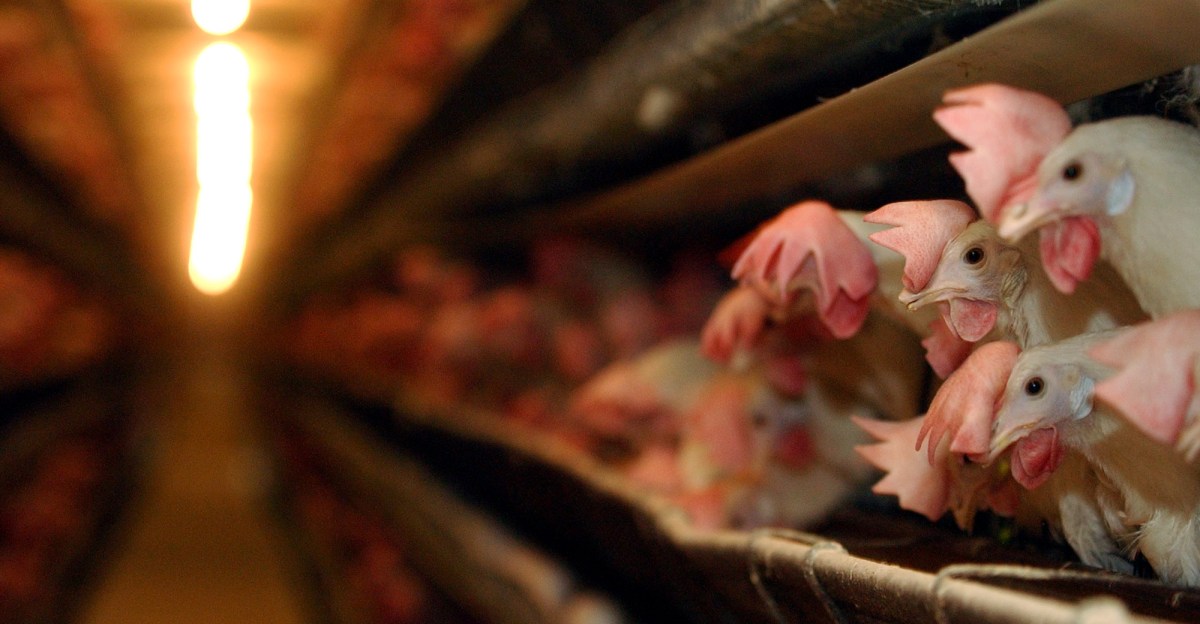
On the flip side, animal welfare organizations have raised alarms about the potential negative impacts on animal welfare. They argue that easing regulations might lead to compromised living conditions for hens. A representative from one such organization stated:
“While we understand the need to address shortages, we cannot sacrifice the welfare of animals in the process. We urge the state to consider the long-term implications of these decisions.”
Consumer Perspectives
Consumer reactions have also varied widely. Some consumers are hopeful that the initiative will lead to lower prices and better availability. Others, however, express skepticism about the effectiveness of the plan, wondering whether it can truly address the underlying causes of the crisis.
Analyzing the Potential Impact
As with any bold strategy, the Egg Supply Enhancement Initiative comes with both risks and rewards. Let’s explore some potential outcomes:
Positive Outcomes
- Increased Egg Production: By providing financial incentives and easing regulations, the state could see a significant increase in egg production, which may lead to lower prices for consumers.
- Support for Local Economies: The initiative could strengthen local agriculture, keeping more money within the community and supporting local jobs.
- Consumer Satisfaction: With more eggs available, consumers may feel relief from the high prices and shortages they have been experiencing.
Negative Consequences
- Welfare Concerns: If regulations are relaxed too much, there could be serious implications for animal welfare, which may lead to public backlash.
- Short-term Fixes: Critics argue that this approach might merely serve as a band-aid solution rather than addressing systemic issues within the poultry industry.
- Market Distortion: Importing eggs could disrupt local markets, affecting prices and availability in the long run.
Looking Forward: Will This Strategy Succeed?
As the Egg Supply Enhancement Initiative rolls out, all eyes will be on California to see how effective this approach will be in tackling the egg shortages. The state’s willingness to innovate amid crisis is commendable, but the execution of this plan will ultimately determine its success or failure.
In the coming months, it will be crucial for the state to monitor the initiative’s impacts closely, balancing the need for increased production with the ethical treatment of animals and the long-term sustainability of the egg supply chain.
As consumers, farmers, and advocates watch closely, this could set a precedent for how states respond to agricultural crises in the future. Will California succeed in cracking the code to solve its egg shortages? Only time will tell, but the discussion it has sparked is already fostering a deeper dialogue about food security, sustainability, and the ethics of agriculture.
See more CCTV News Daily