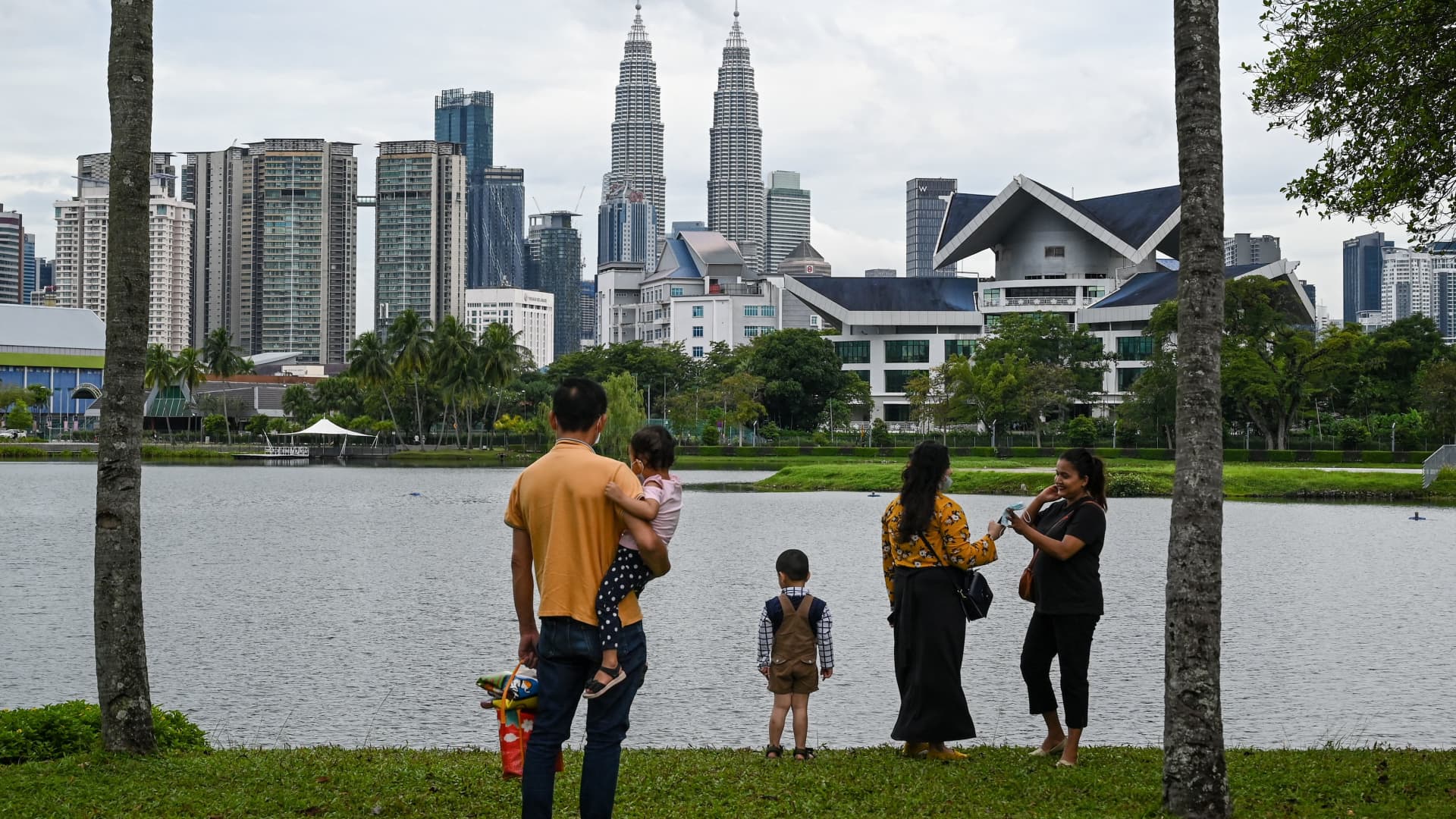
Unveiling the Next Economic Powerhouse: Winners Beyond China and the U.S.
As global trade dynamics shift amid rising tariffs and geopolitical tensions, emerging markets are seizing opportunities to become the next economic powerhouses. Countries like Vietnam, India, and Mexico are attracting unprecedented foreign investment, reshaping supply chains, and challenging the dominance of China and the U.S. This transformation, accelerated by post-pandemic recovery and trade diversification, signals a new era in international economics.
The Rise of Alternative Manufacturing Hubs
Vietnam has emerged as a clear winner in the global supply chain reshuffle. With its competitive labor costs, strategic location, and pro-business reforms, the country saw foreign direct investment (FDI) surge by 32% in 2023, reaching $23 billion. “Vietnam is no longer just a backup—it’s a primary destination for tech and apparel manufacturing,” says Dr. Linh Nguyen, an economist at the Hanoi Institute of Trade.
Similarly, India’s “Make in India” initiative has borne fruit, with its manufacturing sector growing at 6.8% annually. The country now ranks as the world’s second-largest smartphone producer, surpassing the U.S. Key factors driving this shift include:
- Lower tariffs: Compared to China, India offers reduced import duties for electronics components.
- Skilled workforce: A young, tech-savvy population supports high-value industries.
- Government incentives: Tax breaks and infrastructure investments lure multinational firms.
Mexico’s Proximity Advantage in Nearshoring
Mexico has capitalized on the nearshoring trend, with U.S. companies relocating operations closer to home. Bilateral trade between the U.S. and Mexico hit a record $863 billion in 2023, according to the U.S. Census Bureau. Automotive and aerospace industries lead the charge, with Tesla’s $5 billion Gigafactory in Monterrey symbolizing this shift.
“Mexico’s integration into U.S. supply chains is irreversible,” notes Carlos Mendez, a trade analyst at Universidad Nacional Autónoma de México. “The USMCA agreement ensures stability, while labor costs remain 30% lower than in China.”
Challenges and Skepticism
Despite optimism, hurdles persist. Vietnam’s infrastructure struggles to keep pace with demand, and India’s bureaucratic red tape delays projects. Meanwhile, Mexico faces security concerns and energy shortages. “These markets must address structural issues to sustain growth,” warns IMF chief economist Pierre-Olivier Gourinchas.
The Future of Global Economic Balance
The ascent of these economies could decentralize global trade, reducing reliance on any single powerhouse. By 2030, emerging markets may account for 55% of world GDP, up from 40% today, predicts the World Bank. Investors are urged to monitor:
- Policy reforms in Southeast Asia
- Technological adoption in Africa
- Trade agreements in Latin America
For businesses, the message is clear: diversify or risk being left behind. As the old adage goes, “Don’t put all your eggs in one basket”—especially when the basket is changing hands.
Stay ahead of global trends—subscribe to our newsletter for in-depth analysis on emerging markets.
See more CCTV News Daily