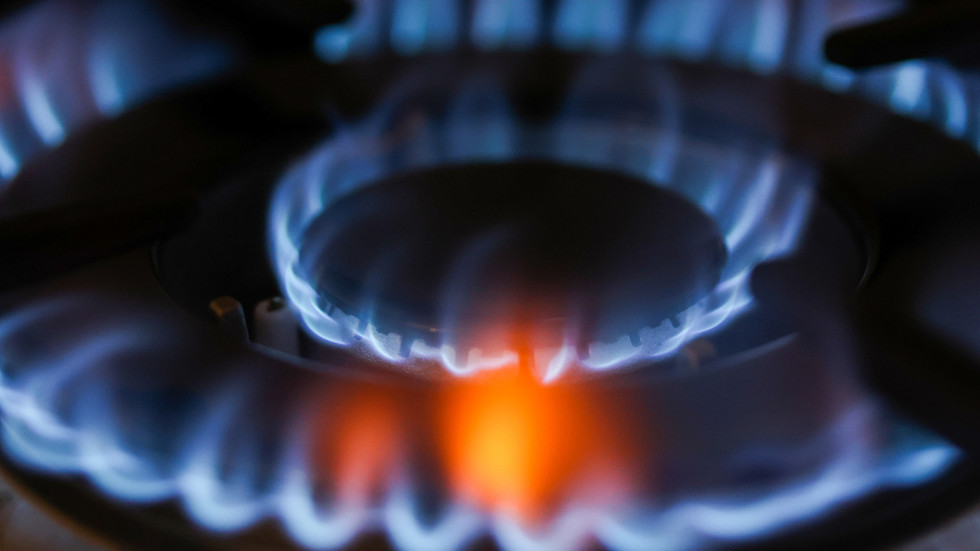
Unprecedented Surge: EU Gas Prices Soar to Record Highs
Gas prices in the European Union reached historic peaks last year, according to a Eurostat report released this week. The alarming data highlights a 300% year-on-year increase in wholesale gas costs, driven by geopolitical tensions, supply chain disruptions, and reduced Russian exports. As winter approaches, households and businesses brace for soaring energy bills, sparking fears of economic instability across the bloc.
The Drivers Behind the Price Spike
Experts point to a perfect storm of factors fueling the crisis. Russia’s drastic cuts to pipeline deliveries—once 40% of EU gas imports—left countries scrambling for alternatives. Meanwhile, global demand for liquefied natural gas (LNG) surged, particularly from Asia, tightening supply. “The EU’s reliance on volatile energy markets became painfully obvious,” said Dr. Lena Müller, an energy economist at the Berlin Institute for Economic Research. “Diversification efforts were too slow to offset the shock.”
Additional pressures include:
- Infrastructure bottlenecks: LNG terminals in Germany and the Netherlands operated at full capacity, delaying shipments.
- Renewable energy shortfalls: A wind drought in the North Sea reduced green energy output, forcing greater fossil fuel use.
- Speculative trading: Commodity markets amplified price swings as traders bet on further disruptions.
Impact on Consumers and Businesses
The ripple effects are stark. Average household energy bills in the EU jumped by 62% in 2023, with low-income families hit hardest. In Latvia, where gas heats 80% of homes, food banks reported a 30% rise in demand as residents faced heat-or-eat dilemmas. Small businesses, particularly in energy-intensive sectors like glassmaking and ceramics, are also reeling. “Our production costs tripled overnight,” said Marco Ricci, a Milan-based factory owner. “Without government aid, we’ll have to cut jobs or shut down.”
Governments have rolled out relief measures, including:
- Price caps on gas for residential use (France, Spain)
- Tax breaks for renewable energy upgrades (Germany, Sweden)
- Direct subsidies for vulnerable households (Poland, Italy)
Geopolitical and Environmental Crossroads
The crisis has intensified debates about energy security and climate goals. While some countries, like Poland, accelerated coal plant reopenings as a stopgap, others doubled down on renewables. The EU’s RePowerEU plan aims to phase out Russian fossil fuels by 2027, but critics argue the timeline is unrealistic. “Renewables alone can’t bridge the gap yet,” warned Fatih Birol, Executive Director of the International Energy Agency. “Investments in storage and grid resilience are equally critical.”
Meanwhile, the price surge has inadvertently boosted green energy adoption. Solar panel installations in the EU rose by 47% in 2023, while heat pump sales broke records. “High gas prices are a wake-up call,” said Clara Velez, a Barcelona-based climate activist. “The transition isn’t just eco-friendly—it’s economically necessary.”
What’s Next for the EU Energy Market?
Analysts predict continued volatility. With storage facilities only 75% full ahead of winter—below the EU’s 90% target—emergency rationing remains possible. The European Commission is drafting a gas price stabilization mechanism, but disagreements between member states delay consensus. Longer-term solutions hinge on:
- Expanding LNG partnerships with the U.S. and Qatar
- Fast-tracking permits for wind and solar farms
- Boosting cross-border energy sharing via interconnectors
For now, businesses and consumers must adapt. Energy-saving campaigns, like Germany’s “#TurnDown20” heating initiative, gain traction. Yet as Eurostat warns, without systemic reforms, the EU risks recurring crises. “The era of cheap energy is over,” said Müller. “Resilience requires rethinking everything—from supply chains to consumption habits.”
Stay informed on evolving energy policies by subscribing to our newsletter for weekly updates.
See more CCTV News Daily