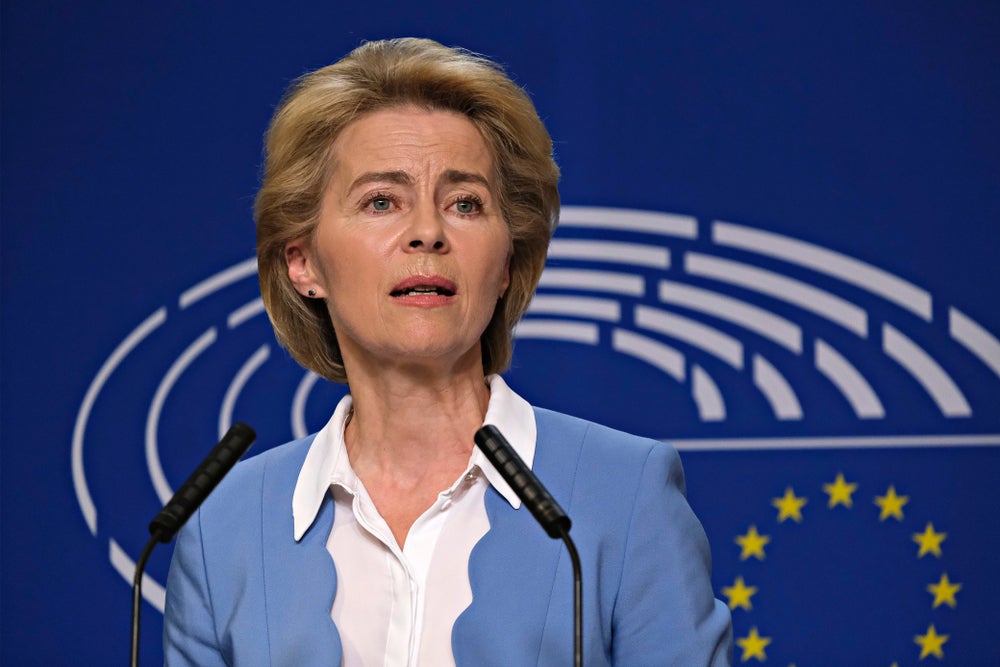
EU President Promises Strong Response to Trump’s Steel and Aluminum Tariffs
In a bold declaration that has caught the attention of global markets, the President of the European Union has vowed to implement ‘firm and proportionate countermeasures’ in response to President Trump’s recent tariffs on steel and aluminum imports. This move marks a significant escalation in trade tensions between the United States and the European Union, raising critical questions about the future of transatlantic relations and the broader implications for global trade dynamics.
Understanding the Context of the Tariffs
In early 2023, President Trump announced tariffs of 25% on steel and 10% on aluminum imports, citing national security concerns. This decision, framed as a necessary measure to protect American industries, has been met with widespread criticism from various countries, particularly those within the EU. The EU President’s response highlights a growing frustration among European leaders who view these tariffs as unjust and detrimental to international trade.
Historically, the EU has been a strong advocate for free trade, emphasizing cooperation over confrontation. The imposition of tariffs by the U.S. not only challenges this principle but also raises concerns about potential retaliation and a possible trade war that could have far-reaching economic consequences.
The EU’s Planned Countermeasures
The EU President’s commitment to countermeasures signals a readiness to protect European industries from what they perceive as unfair competitive practices. The proposed response includes:
- Retaliatory Tariffs: The EU is considering imposing tariffs on a range of American goods, including agricultural products, machinery, and consumer goods, which could significantly impact U.S. exporters.
- Legal Action: The EU is prepared to challenge the tariffs at the World Trade Organization (WTO), arguing that the U.S. measures violate international trade rules.
- Support for Affected Industries: Financial aid and support mechanisms are being discussed to assist European steel and aluminum manufacturers adversely affected by the tariffs.
These countermeasures demonstrate the EU’s resolve to defend its economic interests while maintaining a stance against protectionism. The balance between retaliation and diplomacy will be crucial as both sides navigate this tense landscape.
Implications for Transatlantic Relations
The ongoing trade dispute is not just an economic issue; it is also deeply intertwined with diplomatic relations. The EU and the U.S. have long been allies, sharing values and interests. However, the imposition of tariffs threatens to fracture this relationship, leading to mistrust and increased tensions. Key implications include:
- Strained Alliances: The EU’s strong response could lead to a deterioration of trust between the two powers. Allies may be forced to take sides, complicating international relations.
- Impact on Global Trade: The situation could set a precedent for other countries to follow suit, leading to a wave of protectionist measures worldwide, further destabilizing global trade.
- Economic Consequences: Both the U.S. and EU economies could suffer from a potential trade war, affecting employment, consumer prices, and economic growth.
As both sides dig in their heels, the potential for a peaceful resolution appears to diminish. The stakes are high, and the EU’s response may serve as a litmus test for how countries confront unilateral trade measures.
Alternative Perspectives and Solutions
While the EU’s commitment to countermeasures is understandable, some analysts argue for a more diplomatic approach. Engaging in dialogue rather than retaliation could yield more positive outcomes. Possible solutions include:
- Negotiations: Initiating talks to address underlying concerns about trade imbalances and national security fears could lead to a mutually beneficial agreement.
- Trade Partnerships: Strengthening trade partnerships with other countries may provide alternative markets for both U.S. and EU exports, mitigating the impact of tariffs.
- Multilateral Agreements: Working through international organizations like the WTO to establish fair trade practices and resolve disputes through established channels could enhance stability.
Emphasizing collaboration over confrontation could pave the way for more sustainable trade relations in the long run.
The Role of Globalization in Trade Dynamics
This trade dispute underscores the complexities of globalization. As economies become increasingly interconnected, actions taken by one nation can have ripple effects around the world. For instance, the tariffs on steel and aluminum not only affect those industries but also impact related sectors, from construction to automotive manufacturing.
Moreover, global supply chains are intricately woven, and disruptions can lead to increased costs for consumers and businesses alike. A protectionist approach may provide short-term relief for certain industries but could ultimately harm the broader economy.
Looking Ahead: The Future of Trade Relations
The EU President’s strong response to Trump’s steel and aluminum tariffs represents a critical moment in transatlantic relations. As both sides grapple with the implications of their decisions, the future of trade dynamics remains uncertain. Will the EU follow through with its countermeasures, or will diplomatic efforts prevail?
What is clear is that the outcome of this dispute will shape not only U.S.-EU relations but also the global trading landscape. As nations navigate the complexities of a globalized economy, finding a balance between protecting domestic interests and fostering international cooperation will be essential.
In conclusion, the EU’s promise of a firm response to Trump’s tariffs reflects a broader struggle against protectionism and a call for equitable trade practices. As the situation unfolds, stakeholders on both sides will need to engage in meaningful dialogue to avert a trade war and promote a more collaborative approach to international commerce.
See more CCTV News Daily