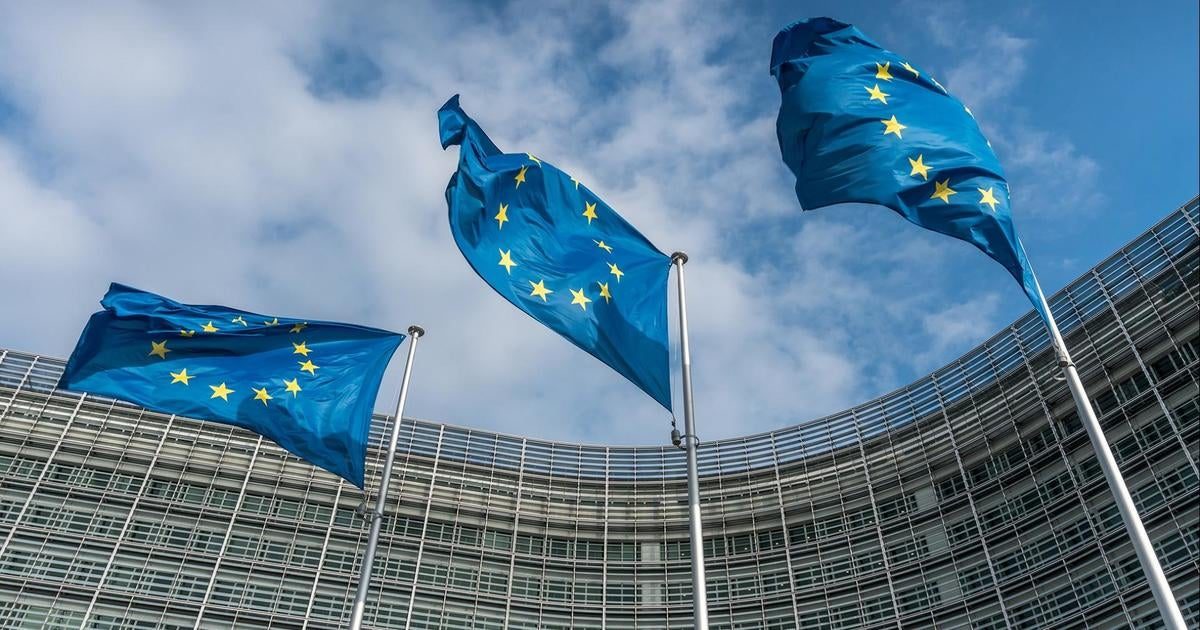
The imposition of tariffs by the United States on steel and aluminum has sent ripples through global trade, compelling the European Union (EU) to carefully evaluate its response. The tariffs, which were framed by the Trump administration as a means to protect American industry, have significant implications for both the European economy and international trade relations. In this article, we will delve into the potential strategies the EU may adopt to counteract the economic fallout from these tariffs and ensure market stability.
Understanding the Context: U.S. Tariffs and Their Implications
In March 2018, President Trump announced tariffs of 25% on steel and 10% on aluminum imports, citing national security concerns. This move was met with widespread criticism from various countries, particularly within the EU, which argued that such tariffs were unjustified and detrimental to free trade. The EU, being a significant exporter of both steel and aluminum to the U.S., faced immediate economic consequences, including potential job losses and disrupted supply chains.
The tariffs were not just a simple trade dispute; they represented a broader shift in U.S. trade policy, emphasizing protectionism over multilateral agreements. As the EU navigated this turbulent landscape, it became clear that a strategic response was essential not only to protect its industries but also to uphold the principles of free trade that have underpinned economic relations for decades.
The EU’s Initial Response: Countermeasures and Negotiations
In response to the U.S. tariffs, the EU quickly implemented its own set of countermeasures. This included imposing tariffs on a variety of U.S. goods, such as motorcycles, whiskey, and farm products. By targeting specific sectors, the EU aimed to exert pressure on the U.S. to reconsider its tariffs while minimizing the impact on its own economy.
- Targeted Tariffs: The EU’s list of retaliatory tariffs was carefully curated to impact key U.S. industries and political constituencies, thereby increasing the likelihood of a negotiated solution.
- WTO Dispute Resolution: The EU also sought to challenge the U.S. tariffs at the World Trade Organization (WTO), arguing that they violated international trade rules.
These measures were designed not only to protect European industries but also to signal to the U.S. that the EU was willing to stand firm against unilateral trade actions. However, the effectiveness of these strategies depended on the EU’s ability to maintain unity among its member states, each of which may have had differing interests in the trade dispute.
Strategic Considerations: Long-Term Solutions for Economic Stability
While immediate countermeasures were essential, the EU recognized the need for a more comprehensive, long-term strategy to mitigate the economic implications of U.S. tariffs. Here are some potential avenues the EU could explore:
1. Strengthening Internal Markets
One proactive approach for the EU is to enhance its internal market. By promoting trade and investment among member states, the EU can reduce reliance on external markets, thereby mitigating the impact of tariffs. This could involve:
- Encouraging Cross-Border Investments: Initiatives to facilitate investments between member states can help bolster industries that are reliant on steel and aluminum.
- Supporting Innovation: Investing in research and development can lead to new technologies and processes that reduce dependency on traditional steel and aluminum production.
2. Diversifying Trade Relationships
Another strategic response is to diversify trade relationships beyond the U.S. By seeking new markets, the EU can reduce its vulnerability to U.S. tariffs. This involves:
- Strengthening Ties with Emerging Economies: Building trade partnerships with countries in Asia, Africa, and Latin America can open new avenues for exports.
- Exploring Trade Agreements: The EU can negotiate new trade agreements that facilitate smoother trade flows and reduce tariffs with other countries.
3. Advocating for Multilateral Trade Solutions
The EU has long been a proponent of multilateralism in trade. In light of U.S. tariffs, the EU can reaffirm its commitment to global trade rules by:
- Engaging in WTO Reforms: The EU can lead efforts to reform the WTO to make it more responsive to the challenges of modern trade.
- Building Alliances: Collaborating with other nations that are similarly affected by U.S. tariffs can amplify the EU’s voice in international trade discussions.
Impact on EU Member States: A Unified Front
One of the challenges the EU faces in navigating tariff turbulence is maintaining a unified front among its member states. Different countries may have varying levels of exposure to U.S. tariffs, leading to divergent interests. For instance, countries with robust steel industries may advocate for stronger countermeasures, while others reliant on U.S. exports may prefer a more conciliatory approach.
To address this, the EU must foster dialogue among member states to ensure that responses are balanced and consider the broader implications for the EU as a whole. Developing a cohesive strategy will be essential for presenting a united front to the U.S. and ensuring that the EU’s interests are adequately represented on the global stage.
Conclusion: Facing the Future with Optimism
As the EU navigates the complexities of tariff turbulence stemming from U.S. trade policies, it must remain adaptable and strategic in its responses. By implementing countermeasures, strengthening internal markets, diversifying trade relationships, and advocating for multilateral solutions, the EU can not only mitigate the economic implications of U.S. tariffs but also reinforce its position as a leader in global trade.
While the path forward may be fraught with challenges, the EU’s commitment to free trade, economic stability, and cooperative international relations will guide it through this period of uncertainty. Ultimately, a proactive and unified approach will not only benefit EU member states but also contribute to a more stable and equitable global trade environment.
See more CCTV News Daily