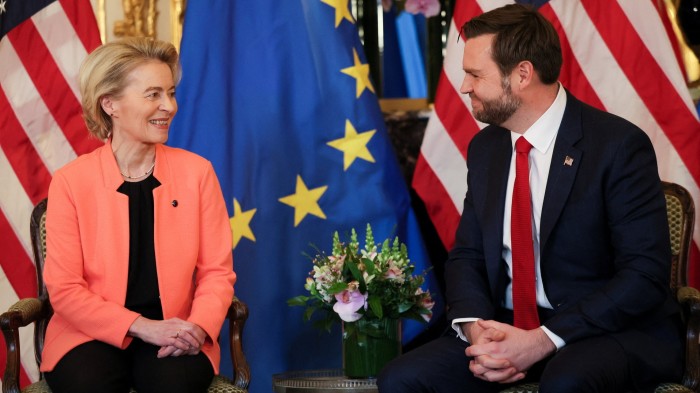
As trade tensions escalate between the European Union (EU) and the United States (US), the potential for a groundbreaking agreement hangs in the balance. Diplomatic efforts are underway to avoid a full-blown trade war, but are we truly on the brink of economic conflict? This article explores the current state of trade relations between these two economic powerhouses, the factors contributing to tensions, and the pathways that could lead to a negotiated compromise.
Understanding the Current Landscape of EU-US Trade Relations
The EU and the US are two of the world’s largest economies, representing a significant share of global trade. In 2022, the US exported goods worth approximately $300 billion to the EU, while EU exports to the US reached around $450 billion. This intricate web of trade encompasses various sectors, including technology, agriculture, and services.
However, recent years have seen a rise in protectionist sentiments, resulting in tariffs, trade barriers, and heightened scrutiny of foreign investments. The ongoing tensions can be traced back to several key issues, including:
- Tariffs and Trade Barriers: The imposition of tariffs on steel and aluminum imports by the US, alongside retaliatory tariffs from the EU on American goods, has created a rift in trade relations.
- Regulatory Divergence: Differences in regulatory standards, especially in sectors like technology and agriculture, have led to friction. The EU’s stringent regulations often clash with US practices.
- Subsidies and Competition: The US and EU have accused each other of providing unfair subsidies to domestic industries, particularly in the aerospace sector, leading to disputes in the World Trade Organization (WTO).
Can Diplomatic Efforts Bridge the Gap?
Despite the ongoing tensions, there is a glimmer of hope for resolution through diplomatic efforts. Leaders from both sides have expressed a willingness to engage in dialogue. Recent initiatives aimed at easing trade relations include:
- Transatlantic Trade and Technology Council (TTC): Established in 2021, the TTC aims to foster collaboration on technology standards, digital commerce, and supply chain resilience.
- Joint Action on Climate Change: Addressing climate change has become a priority for both the EU and the US. Collaborative efforts in green technology and sustainable practices could serve as a foundation for broader trade agreements.
- Negotiations on Tariffs: Ongoing discussions about reducing tariffs on specific goods, such as wines and spirits, signal a potential thawing of relations.
Exploring the Benefits of Compromise
The stakes are high for both the EU and the US. A trade war could lead to significant economic repercussions, including job losses, increased prices for consumers, and disrupted supply chains. Conversely, a compromise could yield numerous benefits:
- Economic Growth: Enhanced trade relations could stimulate economic growth in both regions, leading to job creation and increased investments.
- Stability in Global Markets: A resolution could restore stability to global markets, reassuring investors and fostering a more predictable business environment.
- Strengthened Alliances: By working together, the US and EU can strengthen their positions in addressing global challenges, such as climate change and international security.
Challenges on the Road to Compromise
While the possibility of a compromise exists, several challenges loom on the horizon. These include:
- Domestic Pressures: Both the EU and US face domestic political pressures that may hinder their ability to negotiate effectively. Nationalism and protectionism have gained traction, influencing public opinion and policymaking.
- Geopolitical Tensions: The rise of China and other emerging economies complicates the landscape. The EU and US must navigate these geopolitical dynamics while pursuing their trade objectives.
- Public Sentiment: Any perceived concessions could provoke backlash from constituents who feel that their interests are being compromised.
Looking Ahead: The Potential for a New Trade Era
In light of the complex web of factors influencing EU-US trade relations, the question remains: can these two economic powers forge a compromise? While the road ahead may be fraught with challenges, the potential rewards of cooperation could lead to a new era of transatlantic trade.
Both sides have a vested interest in finding common ground. As they navigate the intricacies of their economic relationship, it is crucial to prioritize dialogue, understanding, and compromise. Experts suggest that focusing on shared goals—such as innovation, sustainability, and economic resilience—could pave the way for a more collaborative approach.
Final Thoughts: A Call for Optimism
As we stand at this crossroads in trade relations, it’s essential to approach the future with optimism. The EU and US have a long history of collaboration and shared values that can serve as a foundation for resolving current tensions. By engaging in constructive dialogue, both parties can work towards a mutually beneficial agreement that enhances trade and strengthens their economic ties.
Ultimately, the world is watching as the EU and US navigate these trade tensions. Their ability to find common ground could set a precedent for how major economies address similar challenges in an increasingly interconnected global economy.
See more CCTV News Daily