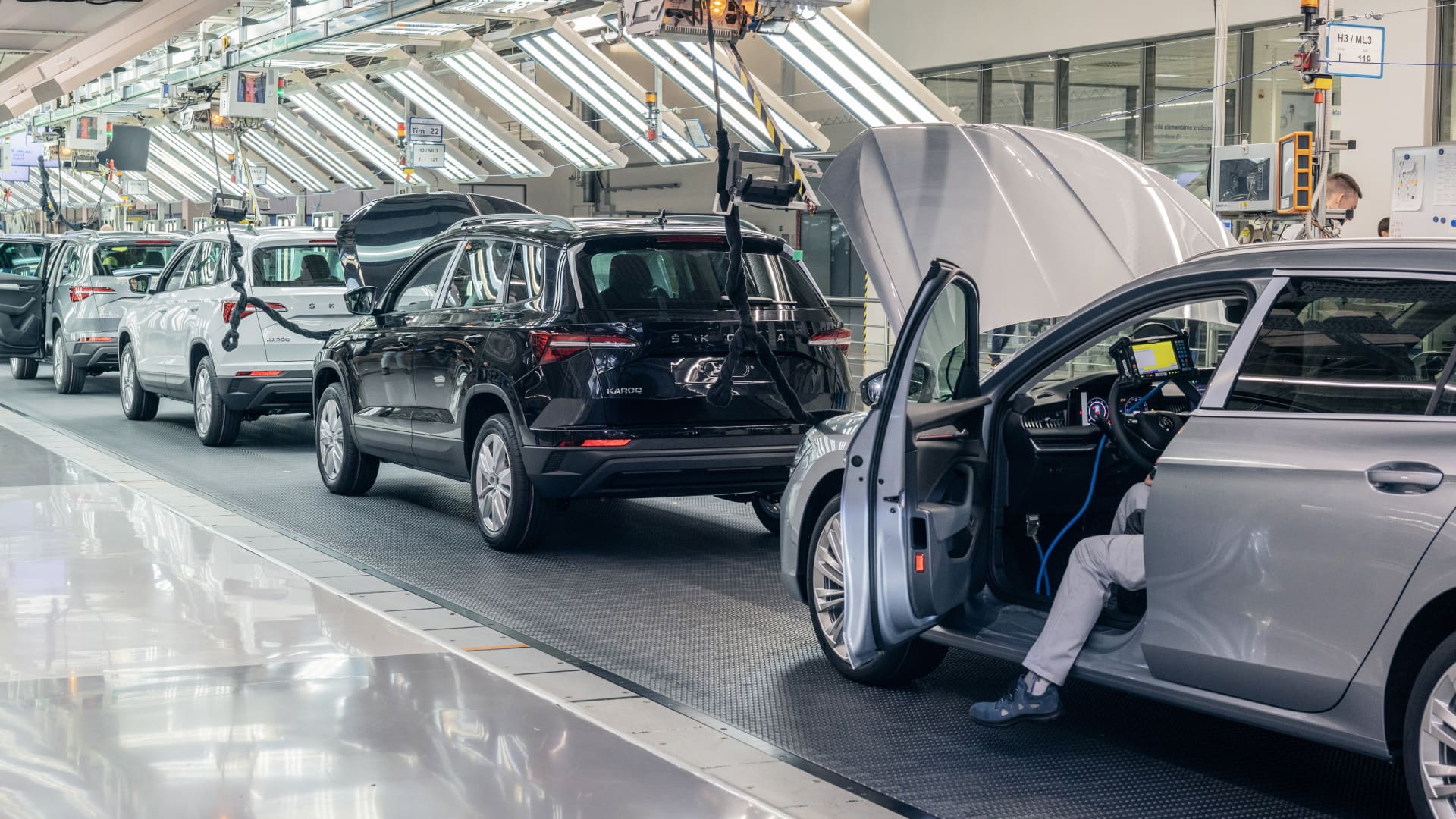
Will Europe’s Auto Industry Face Its Own Detroit Moment Under Trump’s Tariffs?
As the specter of increased tariffs looms, Europe’s automotive sector braces for potential fallout. The looming tariffs proposed by the Trump administration could send shockwaves through the European automotive industry, mirroring the struggles once faced by Detroit in its heyday. This article delves into the implications of these tariffs for manufacturers and workers, drawing parallels to the historical context of Detroit’s automotive decline while exploring the potential paths forward for Europe’s auto industry.
The Potential Impact of Tariffs
With the Trump administration’s push for increased tariffs on imported vehicles and auto parts, the European auto industry finds itself at a crossroads. The tariffs, aimed primarily at protecting American manufacturers, could lead to significant changes in the landscape of automotive production and trade.
In 2018, the U.S. imposed tariffs on steel and aluminum, which affected many sectors, including automotive production. The European Union (EU) retaliated with its own tariffs on American goods, leading to a trade war that has strained relationships and disrupted supply chains. Now, the fear is that further tariffs could push European automakers into a corner, forcing them to make difficult choices that could impact their workforce and manufacturing capabilities.
Lessons from Detroit’s Decline
Detroit’s automotive industry once stood as a symbol of American ingenuity and economic power. However, the city faced a dramatic decline in the late 20th century, attributed to several factors:
- Economic Mismanagement: Poor decisions by management and a failure to innovate led to a loss of market share.
- Global Competition: The rise of foreign automakers, particularly from Japan and Germany, reshaped consumer preferences and market dynamics.
- Labor Issues: Labor strikes and high production costs made it difficult for Detroit automakers to compete effectively.
As Europe’s auto industry navigates the potential for tariffs, these historical lessons will be crucial. The challenge now is to remain competitive in a global market while addressing the internal and external pressures that could lead to a similar fate as that of Detroit.
The Current State of Europe’s Automotive Sector
Europe’s automotive industry is a powerhouse, employing millions and contributing significantly to the continent’s economy. Key players like Volkswagen, BMW, and Daimler are not only major manufacturers but also champions of innovation, particularly in electric vehicle (EV) technology.
As of 2023, the European auto sector is in a transitional phase, shifting towards sustainability and electric mobility. This transition is essential not just for environmental reasons but also as a response to changing consumer preferences and regulatory pressures. However, the introduction of tariffs could hinder this progress in several ways:
- Increased Costs: Tariffs on imported components would raise production costs, potentially leading to higher prices for consumers.
- Supply Chain Disruptions: Many European automakers rely on global supply chains for parts and materials. Tariffs could disrupt these networks, leading to delays and inefficiencies.
- Investment Stagnation: Uncertainty surrounding tariffs could deter investment in new technologies and facilities, slowing the transition to EVs.
Worker Implications
With the automotive sector being a significant employer in Europe, the potential fallout from tariffs could have dire consequences for workers. Job losses, reduced hours, and wage stagnation are all possibilities that could arise if automakers are forced to cut costs in response to increased tariffs.
Trade unions are already voicing concerns about the potential impact on jobs, particularly in regions heavily reliant on automotive manufacturing. Workers in countries like Germany and France, where automotive production is a cornerstone of the economy, could face layoffs if automakers are unable to adapt to the new tariff environment.
Opportunities Amidst Challenges
While the prospect of tariffs presents significant challenges, it also opens up opportunities for innovation and adaptation within Europe’s automotive sector. Here are some potential pathways forward:
- Investing in Local Production: To mitigate the impact of tariffs, European automakers could invest in local production facilities, reducing reliance on imported parts and materials.
- Accelerating Electric Vehicle Development: The push towards EVs may gain momentum as manufacturers seek to redefine their product lines and meet new regulations, positioning themselves as leaders in a growing market.
- Collaboration with Governments: Engaging with policymakers to advocate for fair trade practices and support for the transition to sustainable manufacturing can lead to favorable outcomes.
Looking Ahead: A Balanced Perspective
As Europe’s automotive industry faces this uncertain future, it is essential to adopt a balanced perspective. The potential for tariffs to cause disruption is real, but so too is the resilience of the industry. European automakers have a long history of innovation and adaptation, and many are already embracing the shift towards sustainability and new technologies.
While the specter of a “Detroit moment” hangs in the air, Europe’s auto sector has the opportunity to learn from past mistakes and forge a new path forward. By embracing change and investing in local production, electric vehicle technology, and collaborative efforts with governments, the European automotive industry can not only survive but thrive in an increasingly competitive global market.
Conclusion
In conclusion, Europe’s automotive sector stands at a critical juncture as it contemplates the implications of Trump’s proposed tariffs. The lessons from Detroit’s decline serve as a cautionary tale, reminding us of the fragility of industries in the face of economic upheaval. However, with proactive strategies, a focus on innovation, and a commitment to sustainability, Europe’s auto industry may well navigate these challenges and emerge stronger than ever. The future is not solely defined by tariffs but by the resilience and adaptability of those who seek to lead the automotive revolution.
See more CCTV News Daily