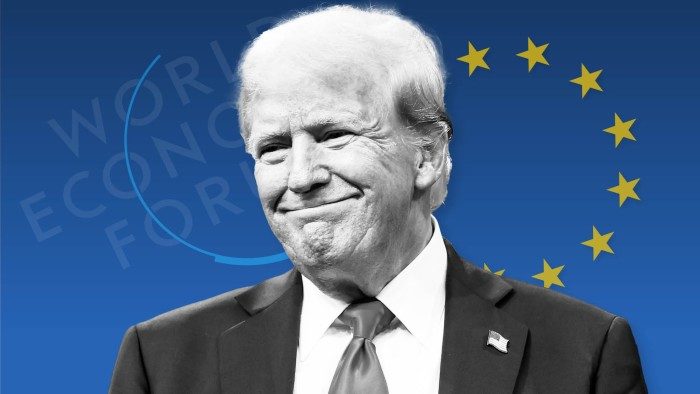
Europe Faces Gloom as US Optimism Soars: A Deep Dive into Diverging Economic Sentiments
As the World Economic Forum unfolds in Davos, contrasting attitudes toward economic prospects emerge. Europe grapples with skepticism, while the United States exudes confidence. This article explores the implications of these diverging sentiments on global markets and policy discussions, shedding light on the underlying factors contributing to this economic divide.
Understanding the Economic Landscape
In recent years, the global economy has experienced significant upheaval. Factors such as the COVID-19 pandemic, geopolitical tensions, and inflation have reshaped economic narratives across continents. While the United States has shown signs of recovery, particularly in job growth and consumer spending, Europe seems to be facing headwinds that could stymie its economic progress.
According to the International Monetary Fund (IMF), the U.S. economy is projected to grow by 2.1% in the coming year, buoyed by strong consumer confidence and a resilient labor market. Meanwhile, Europe is expected to see a growth rate of just 0.5%, largely due to energy crises, inflationary pressures, and ongoing supply chain disruptions.
US Optimism: The Driving Forces
The optimism in the United States can be attributed to several key factors:
- Robust Job Market: The U.S. has seen a consistent increase in job opportunities, with unemployment rates hovering around historic lows. This has fostered consumer confidence, encouraging spending and investment.
- Strong Corporate Earnings: Many American companies have reported record profits, driven by innovation and adaptability in the face of changing market conditions. This success translates into higher stock prices and a positive outlook for investors.
- Monetary Policy Support: The Federal Reserve’s policies have played a crucial role in sustaining economic growth. Despite rising interest rates, the Fed’s commitment to controlling inflation while supporting growth has instilled confidence among businesses and consumers alike.
The combination of these factors has created a conducive environment for economic stability and growth, leading to a general sense of optimism that permeates discussions at forums like Davos.
Europe’s Gloom: Challenges Ahead
In stark contrast, Europe faces a series of challenges that contribute to its prevailing pessimism:
- Energy Crisis: The ongoing energy crisis, exacerbated by geopolitical tensions and reliance on external energy sources, has significantly impacted industrial output and consumer energy costs. Many European countries are struggling to secure affordable energy supplies, leading to increased inflation and cost-of-living pressures.
- Inflationary Pressures: While inflation is a global issue, Europe has been particularly hard-hit. The Eurozone’s inflation rate has reached levels not seen in decades, prompting concerns about purchasing power and economic stability.
- Geopolitical Tensions: The war in Ukraine continues to cast a long shadow over Europe, creating uncertainty in economic forecasts and straining resources. This geopolitical instability has led to a cautious approach among investors and policymakers.
These challenges have fostered a sense of gloom within Europe, leading to discussions focused on crisis management rather than growth strategies. As leaders gather in Davos, the need for collaborative solutions becomes increasingly urgent.
Implications for Global Markets
The divergence between U.S. optimism and European gloom has significant implications for global markets:
- Investment Shifts: Investors are likely to gravitate towards U.S. markets, seeking opportunities that promise growth and stability. This shift could lead to increased capital inflows into American equities while European markets may experience capital outflows, exacerbating their economic challenges.
- Currency Fluctuations: The disparity in economic sentiment contributes to fluctuations in currency values. The strength of the U.S. dollar compared to the euro reflects investor confidence and could impact trade dynamics, making European exports less competitive.
- Policy Responses: The contrasting economic outlooks may prompt different policy responses. The U.S. may continue to adopt growth-oriented fiscal policies, while Europe might focus on immediate crisis management and stabilization efforts.
Future Prospects: Bridging the Divide
Looking ahead, the question remains: how can Europe regain its economic footing amid U.S. optimism? Several strategies could be explored:
- Energy Independence: Investing in renewable energy sources and diversifying energy supplies could help Europe mitigate the impact of future energy crises. By reducing reliance on external sources, European nations can enhance their resilience.
- Fiscal Coordination: Greater fiscal coordination among EU member states may be necessary to address the challenges of inflation and economic stagnation. A unified approach to economic policy could create a more stable environment for growth.
- Innovation and Investment: Fostering innovation through investment in technology and sustainable practices can help Europe compete globally. Encouraging startups and supporting research and development are critical to driving economic growth.
Conclusion: A Call for Collaboration
As the World Economic Forum continues, the stark contrast between U.S. optimism and European gloom highlights the need for collaboration and innovative solutions. While the U.S. enjoys a period of economic growth, Europe must confront its challenges head-on to foster a more balanced global economy. Addressing energy dependencies, inflationary pressures, and geopolitical uncertainties will be essential for Europe to reclaim its position in the global economic landscape. Ultimately, a collaborative approach that harnesses the strengths of both regions could pave the way for a more prosperous future, ensuring that both Europe and the U.S. can thrive in an interconnected world.
In this era of economic interdependence, the world is watching closely. The actions taken by leaders in Davos will resonate far beyond the confines of the Swiss Alps, shaping the economic narratives of tomorrow.
See more CCTV News Daily