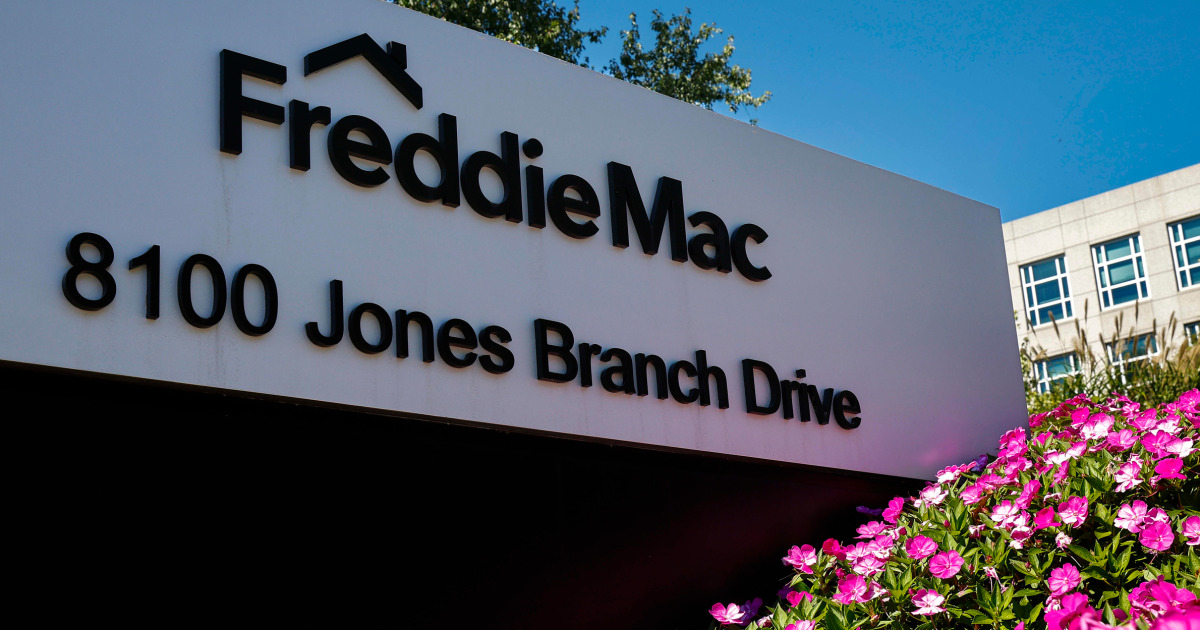
Fannie Mae and Freddie Mac Loan Limits: Understanding the Impact on Homebuyers
The recent decision by the federal housing agency to maintain the loan limits for Fannie Mae and Freddie Mac is poised to have significant ramifications for homebuyers across the United States. With the housing market remaining a crucial component of the economy, understanding Fannie Mae and Freddie Mac loan limits can give potential homeowners clearer insights into their financing options and the broader economic landscape.
What Are Fannie Mae and Freddie Mac?
Fannie Mae (the Federal National Mortgage Association) and Freddie Mac (the Federal Home Loan Mortgage Corporation) are government-sponsored enterprises (GSEs) that play a pivotal role in the U.S. housing finance system. They provide liquidity, stability, and affordability to the mortgage market by buying loans from lenders and packaging them into mortgage-backed securities. This process allows lenders to offer more loans to homebuyers, thereby stimulating the housing market.
Current Loan Limits Explained
The loan limits set by Fannie Mae and Freddie Mac dictate the maximum amount that can be financed through conventional loans backed by these entities. The limits vary by location and are adjusted annually based on changes in the housing market. For 2023, the baseline loan limit for a single-family home is $726,200 in most areas, with higher limits in certain high-cost regions.
- Baseline Loan Limit: $726,200 for most U.S. areas.
- High-Cost Areas: Limits can reach as high as $1,089,300 in designated high-cost areas, which includes parts of California and New York.
The Implications of Maintaining Loan Limits
By maintaining these loan limits, the federal housing agency aims to ensure that home financing remains accessible to a broad segment of the population, particularly first-time homebuyers. This decision carries several important implications:
- Increased Accessibility: Keeping loan limits steady means that more homebuyers can qualify for loans without needing to turn to more expensive options like jumbo loans, which often come with stricter requirements and higher interest rates.
- Stability in the Housing Market: Consistent loan limits can contribute to market stability by ensuring that home prices do not inflate excessively due to a sudden influx of buyers who can secure financing.
- Support for Economic Recovery: A stable housing market can bolster the overall economy, as homebuying stimulates related industries such as construction, home improvement, and real estate services.
What This Means for Homebuyers
For prospective homebuyers, the decision to maintain Fannie Mae and Freddie Mac loan limits means several key advantages:
- Affordability: With the steady loan limits, buyers can more easily find homes within their budget and secure financing without facing exorbitant interest rates.
- More Financing Options: Homebuyers will have access to a wider range of mortgage products that fall under the conventional loan umbrella, making it easier to compare rates and terms.
- Less Financial Strain: By avoiding higher-cost jumbo loans, homebuyers can potentially save thousands of dollars over the life of their mortgage.
The Broader Economic Landscape
The implications of maintaining loan limits extend beyond just individual homebuyers. This decision reflects a commitment by the federal government to support housing stability, which is essential for a healthy economy. Here are some broader economic perspectives to consider:
- Consumer Confidence: When homebuyers feel secure in their ability to finance a home, it can lead to increased consumer confidence, encouraging spending and investment.
- Job Creation: A robust housing market can lead to job creation in various sectors, from construction to real estate, positively impacting local economies.
- Overall Economic Growth: Housing is a significant driver of economic growth. By supporting homebuyers, the government can stimulate broader economic activity, leading to higher GDP growth.
Challenges Ahead for Homebuyers
While the decision to maintain loan limits is generally positive, homebuyers should remain aware of the challenges that persist in the current market environment:
- Rising Home Prices: Even with stable loan limits, the rising cost of homes in many areas can still make it difficult for first-time buyers to enter the market.
- Interest Rate Concerns: Fluctuating interest rates can impact affordability. Even a small increase can significantly affect monthly payments and overall loan costs.
- Inventory Shortages: Many regions face a shortage of available homes for sale, making it competitive for buyers to secure a property within the loan limits.
Conclusion: A Positive Step Forward
The decision to maintain Fannie Mae and Freddie Mac loan limits is a strategic move that supports homebuyers and stabilizes the housing market. By making financing more accessible and affordable, the federal housing agency is taking a significant step toward fostering economic recovery and growth. Homebuyers should take advantage of this opportunity to explore their options, understand their financial capabilities, and navigate the home-buying process confidently.
As the housing market evolves, staying informed about Fannie Mae and Freddie Mac loan limits will remain essential for anyone looking to buy a home. With the right knowledge and resources, potential homeowners can make informed decisions that align with their financial goals and aspirations.
See more CCTV News Daily