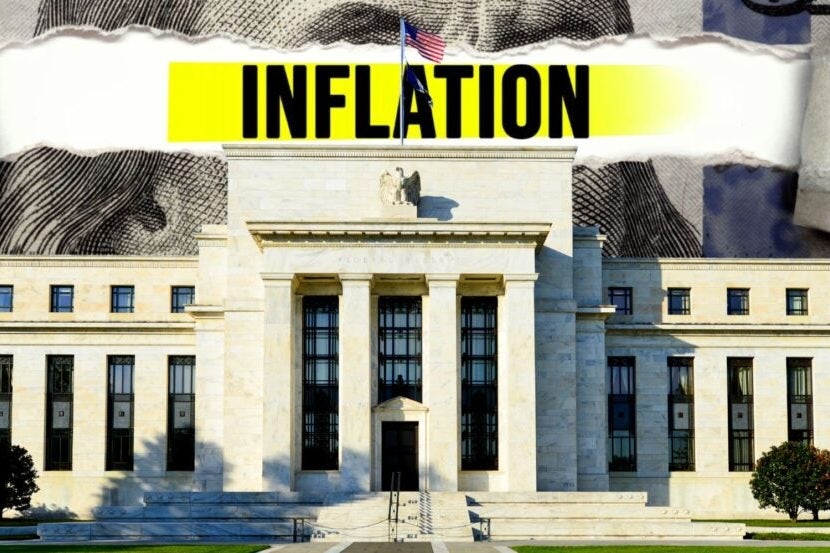
Inflation Trends Shift: First Decline in Federal Reserve’s Key Indicator in Four Months
In a surprising turn of events, the Federal Reserve’s preferred inflation measure has recorded its first slowdown in four months. This pivotal moment indicates a potential shift in economic policy that could have significant implications for markets and consumers alike. As inflation continues to be a focal point in economic discussions, understanding the nuances of this trend is crucial for various stakeholders.
Understanding the Federal Reserve’s Inflation Indicator
The Federal Reserve closely monitors several economic indicators to gauge the health of the economy, with the Personal Consumption Expenditures (PCE) price index being its favored measure of inflation. The PCE index reflects changes in the prices of goods and services consumed by individuals and is considered more comprehensive than other measures like the Consumer Price Index (CPI).
In recent months, the PCE index has shown a consistent upward trajectory, fuelling concerns among economists and policymakers about rising inflation pressures. However, the latest data reveals a slight decline, marking an important inflection point in the inflation trends we have witnessed.
What Does the Decline Mean?
The first decline in the Federal Reserve’s key inflation indicator in four months is not just a number; it’s a signal. Here’s what this development could mean:
- Potential Policy Adjustments: The Federal Reserve may reconsider its current stance on interest rates. A decline in inflation could prompt the Fed to slow down rate hikes or even pause them altogether, providing relief to consumers and businesses.
- Market Reactions: Financial markets often react swiftly to changes in inflation trends. A downward shift might lead to increased investor confidence, potentially boosting stock prices and stabilizing bond markets.
- Consumer Spending Patterns: If inflation is easing, consumers may feel more confident in their purchasing power, leading to increased spending. This can stimulate economic growth, particularly in sectors sensitive to consumer demand.
Analyzing the Economic Context
To fully grasp the significance of this decline, we must consider the broader economic context. Inflation has been a persistent concern, driven by several factors:
- Supply Chain Disruptions: The ongoing effects of the pandemic have created bottlenecks in supply chains, leading to shortages and price increases.
- Labor Market Tightness: A competitive labor market has resulted in wage growth, which can contribute to inflation as businesses pass on higher labor costs to consumers.
- Monetary Policy Decisions: The Fed’s aggressive monetary policy, including low-interest rates and asset purchases, has significantly influenced inflation dynamics.
Given these factors, the recent decline in the PCE price index suggests that some of these pressures might be easing. For instance, supply chain improvements could lead to more stable prices, while a cooling labor market might alleviate wage-related inflationary pressures.
Implications for Consumers and Businesses
The implications of this inflation trend shift are broad and multifaceted. Here’s how it could impact different segments of the economy:
- For Consumers: A decline in inflation can mean a reprieve from escalating prices on everyday goods and services. This could enhance consumers’ purchasing power, allowing them to allocate funds towards savings or discretionary spending.
- For Businesses: Companies may find a more favorable environment for investment and hiring. If inflation stabilizes, businesses can plan better, reducing the uncertainty that often comes with fluctuating prices.
- For Investors: Financial markets tend to favor stable economic conditions. A decline in inflation could lead to a more favorable environment for stocks and bonds, as investors regain confidence in the economy’s trajectory.
Broader Economic Forecasts
Looking ahead, economists and analysts will be keenly observing the Federal Reserve’s next moves in light of this inflation trends shift. While one month of declining inflation does not signal a definitive trend, it does open the door for discussions about future policy adjustments.
Several potential scenarios could unfold:
- Continued Decline: If the decline in inflation persists, we may see the Fed pivot towards a more accommodative monetary policy, fostering economic growth.
- Stabilization: The Fed may adopt a wait-and-see approach, opting to monitor upcoming economic data before making significant policy changes.
- Return to Inflationary Pressures: Conversely, if inflation rises again due to renewed supply chain issues or geopolitical tensions, the Fed may resume its tightening measures, maintaining a delicate balancing act.
Conclusion
The first decline in the Federal Reserve’s key inflation indicator in four months is a noteworthy development that could reshape economic landscapes for consumers, businesses, and investors alike. While it’s essential to approach this news with cautious optimism, the implications are clear: a potential easing of inflation could herald a more stable economic environment. Stakeholders across the board must remain vigilant, keeping an eye on the evolving economic indicators and the Federal Reserve’s policy responses. Ultimately, this shift in inflation trends may not only influence monetary policy but also shape the broader economic recovery in the months to come.
See more CCTV News Daily