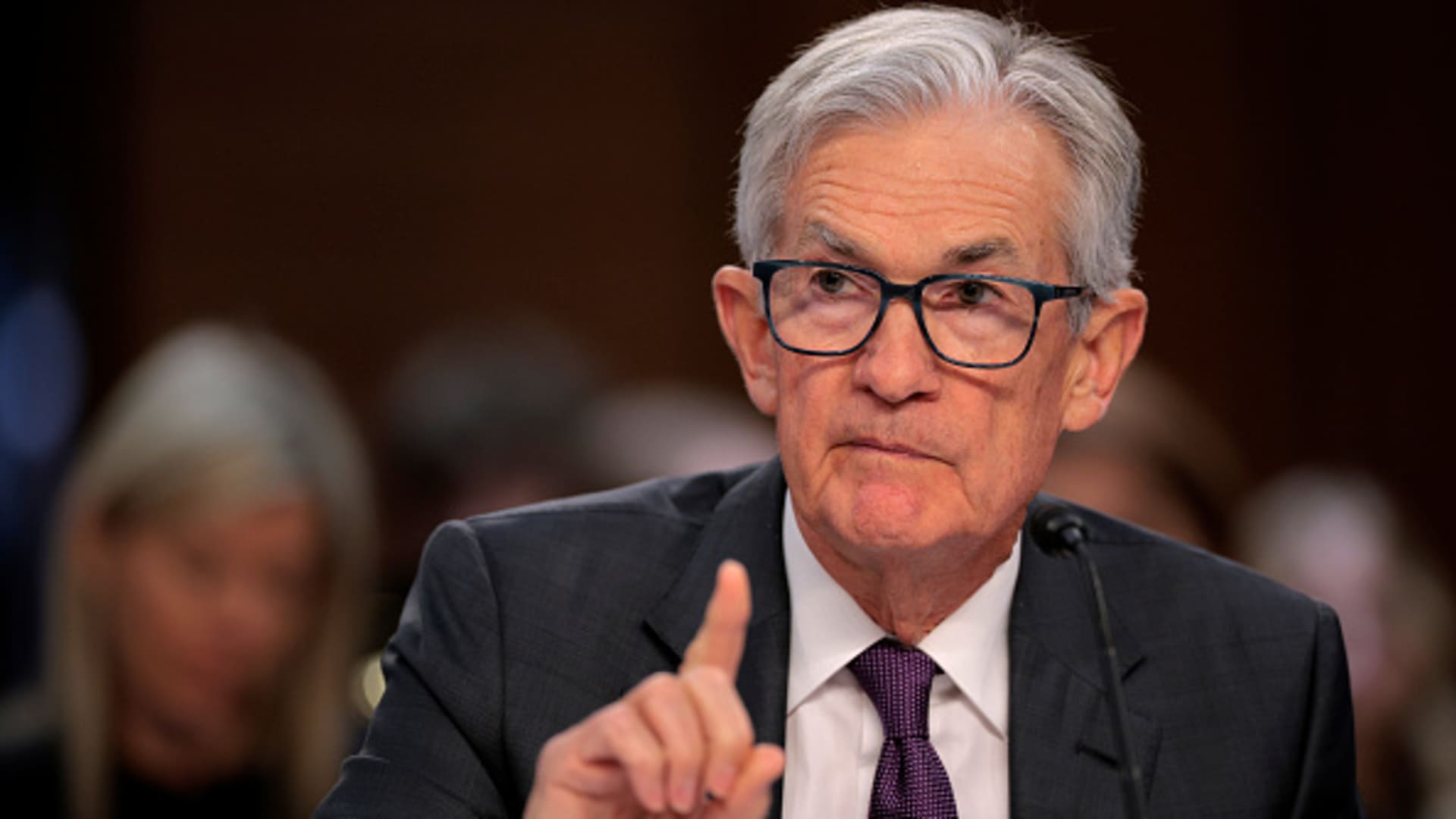
Fed Officials Express Concerns Over Tariffs and Inflation
Recent discussions among Federal Reserve officials indicate growing concerns regarding the interplay between tariffs and inflation rates. As the economy grapples with these pressures, the potential for future rate cuts remains uncertain. This article delves into the implications of these tariff-related anxieties, the broader economic landscape, and the challenges facing monetary policy today.
Understanding the Context: Tariffs and Their Economic Impact
Tariffs, essentially taxes imposed on imported goods, have been a contentious issue in U.S. trade policy. Their implementation can lead to price increases for consumers and businesses that rely on imported materials. As the Federal Reserve’s recent minutes suggest, Fed officials are particularly worried about how these tariffs could exacerbate inflationary pressures. Here are some key points to consider:
- Cost-Push Inflation: When tariffs are enacted, the cost of imported goods rises. Businesses may pass these costs onto consumers, leading to higher overall prices.
- Supply Chain Disruptions: Tariffs can disrupt established supply chains, making it more difficult for companies to source materials at reasonable prices.
- Consumer Behavior: If consumers anticipate rising prices due to tariffs, they may alter their spending habits, which can further drive inflation.
These points highlight the complexities of implementing tariffs and their potential repercussions on the economy. As inflation begins to rise, the Federal Reserve’s policy responses become increasingly critical.
Current Inflation Trends and Fed Policy
Inflation rates have shown signs of volatility in recent months. Following a period of relatively low inflation, the combination of tariffs, supply chain issues from the pandemic, and increased consumer demand has led to upward pressure on prices. The Federal Reserve has historically aimed for a 2% inflation target, but current rates have exceeded this benchmark.
In response to these rising inflation rates, the Fed has utilized various tools, including adjusting interest rates. However, the recent minutes reveal that officials are cautious about making hasty decisions, particularly regarding rate cuts. Here’s why:
Concerns Over Rate Cuts
While the possibility of rate cuts could stimulate economic growth, Fed officials are weighing this against the risk of further inflation. Here are some considerations:
- Stability of Prices: Lowering interest rates could encourage borrowing and spending, which might fuel inflation even more, especially in a climate already stressed by tariffs.
- Global Economic Conditions: The Fed must also consider international economic factors, such as inflation trends in other countries and how they may affect the U.S. economy.
- Market Reactions: Sudden changes in monetary policy can lead to unpredictable reactions in financial markets, affecting everything from stock prices to the stability of the dollar.
These factors create a challenging environment for the Fed as they navigate the complexities of inflation and economic growth.
The Role of Fiscal Policy in Managing Inflation
In light of rising inflation and tariff-induced pressures, fiscal policy also plays a crucial role. Government spending and taxation policies can complement monetary policy in stabilizing the economy. Here are some strategies that could be employed:
- Targeted Relief Programs: Implementing programs aimed at helping lower-income households could mitigate the impacts of rising prices, providing immediate financial relief.
- Investment in Infrastructure: Enhancing infrastructure can improve supply chains and ultimately help lower costs for businesses, reducing inflationary pressures over the long term.
- Trade Policy Adjustments: Reevaluating tariff strategies could also help stabilize prices. Engaging in negotiations to reduce tariffs might ease some inflation concerns.
These fiscal measures, when coordinated with the Fed’s monetary policy, could create a more balanced approach to tackling inflation and supporting economic growth.
Looking Ahead: A Balancing Act for the Fed
The Federal Reserve faces a delicate balancing act in the coming months. As officials express concerns over tariffs and inflation, the possibility of rate cuts remains uncertain. Economists and market analysts are closely watching for signs of how the Fed will respond to these challenges. Here are some possible scenarios:
- Gradual Rate Adjustments: The Fed may choose to adjust rates slowly, monitoring inflation trends while providing support to the economy.
- Communication Strategy: Clear communication from the Fed regarding their policy intentions could help stabilize markets and manage public expectations.
- Data-Driven Decisions: As always, the Fed will rely on economic data to guide their decisions, ensuring that any policy changes are grounded in current economic realities.
Ultimately, the Fed’s ability to navigate these challenges will be critical in shaping the economic landscape for the foreseeable future.
Conclusion: The Path Forward
As the Federal Reserve grapples with the implications of tariffs and inflation, the potential for rate cuts remains a complex issue. The interplay between monetary policy and fiscal measures will be essential in determining the best path forward. By considering both immediate and long-term strategies, policymakers can work toward stabilizing the economy while addressing the concerns that have arisen from recent economic pressures.
In conclusion, the ongoing discussions among Fed officials highlight the intricate dynamics of U.S. economic policy. As we move forward, it will be crucial for the Fed to remain vigilant, adaptive, and responsive to the evolving economic landscape. The road ahead may be fraught with challenges, but with careful planning and strategic decision-making, a balanced approach is within reach.
See more CCTV News Daily