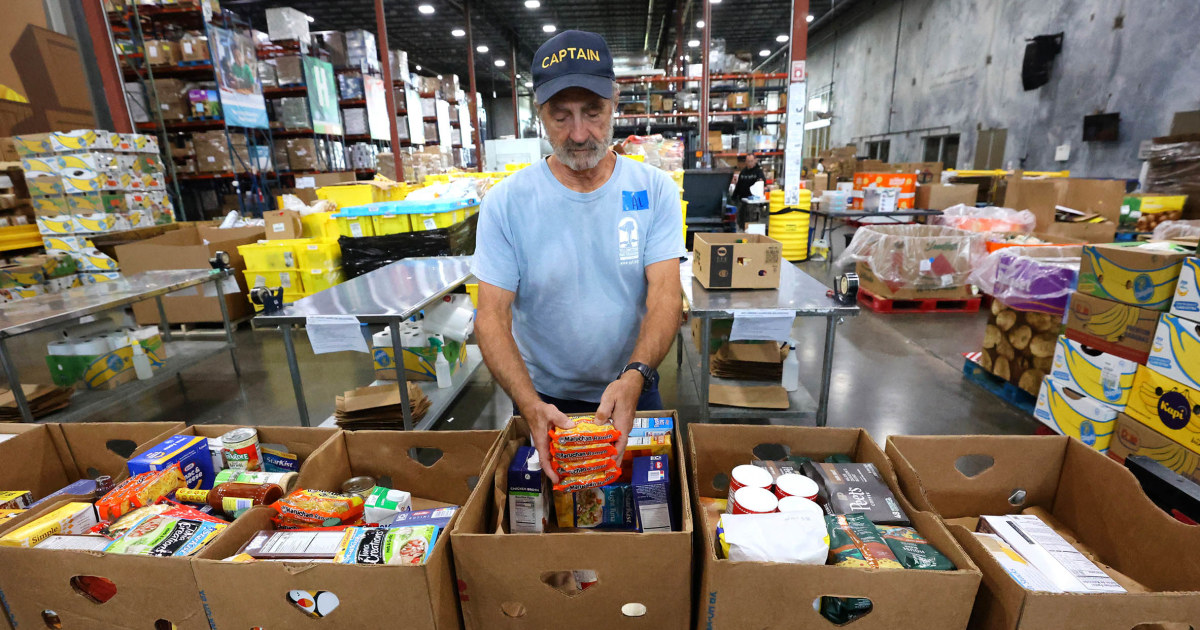
Facing a $500 million reduction in USDA funding, food banks across America are implementing creative solutions to maintain services for millions of vulnerable families. The cuts, effective this fiscal year, stem from congressional budget reallocations, forcing organizations to rethink procurement, partnerships, and distribution models while demand reaches record highs.
The Ripple Effect of Reduced Federal Support
The USDA’s Emergency Food Assistance Program (TEFAP), which typically supplies 20-40% of food bank inventories, saw its budget slashed by nearly 30% this year. According to Feeding America’s 2023 annual report, this reduction equates to approximately 600 million fewer meals distributed nationwide.
“This isn’t just about canned goods—it’s about the working single parent choosing between rent and groceries,” explains Dr. Elena Martinez, food policy researcher at Urban Institute. Her team’s analysis shows USDA commodities previously accounted for 38% of protein distributed through food pantries.
The funding gap emerges as:
- Food insecurity rates remain 60% above pre-pandemic levels (USDA Economic Research Service)
- Operating costs for food banks have increased 22% since 2021 (Feeding America operational data)
- 1 in 5 recipient households include military veterans (VA partnership survey)
Innovative Strategies for Sustaining Operations
Facing these challenges, food banks are deploying multi-pronged approaches to bridge the nutrition gap. The Mid-Ohio Food Collective now partners with 78 local farms through its “Farm to Food Bank” initiative, reducing reliance on federal shipments while supporting regional agriculture.
“We’ve had to become experts in alternative sourcing,” says James Kohler, procurement director at Houston Food Bank. His organization now uses predictive analytics to target surplus produce from wholesalers, recovering 18% more fresh food than last year despite the funding cuts.
Other adaptive measures include:
- Mobile pantries: 62% of surveyed food banks expanded mobile units to reach rural areas
- Retail rescue programs: Partnerships with major chains now recover 3.2 million pounds of food weekly
- Volunteer cultivation: Atlanta Community Food Bank trained 1,200 new volunteers in food sorting and distribution
The Debate Over Sustainable Solutions
While emergency measures help, advocates argue systemic changes are needed. “We can’t food-bank our way out of hunger,” notes policy director Rachel Chen of the Food Research & Action Center. Her organization pushes for permanent SNAP benefit expansions as a more stable solution.
However, budget hawks maintain the cuts reflect necessary fiscal discipline. “Federal programs should supplement—not replace—local community support,” argues Senator Mark Rinaldi (R-AZ), who chairs the agriculture appropriations subcommittee.
Food bank operators find themselves caught between these perspectives. “Every can we source elsewhere means less funding for refrigeration trucks,” laments Maria Gutierrez of San Diego Food Bank, which serves 63,000 military families.
Technology and Community Partnerships Fill Gaps
Innovative collaborations are yielding surprising results. In Tennessee, Second Harvest Food Bank’s app connects donors directly with neighborhood pantries, reducing distribution costs by 15%. Meanwhile, the Cleveland Food Bank’s commercial kitchen now processes imperfect produce into ready-to-eat meals.
Corporate partnerships have also intensified:
- Amazon Fresh donates algorithmic surplus predictions
- PepsiCo provides logistics support for 12 food banks
- DoorDash offers discounted delivery for senior meal programs
“These alliances help, but they’re not scalable to replace federal support,” cautions nutrition professor David Ellington of Cornell University. His research shows corporate donations typically cover just 8-12% of operational needs.
What Comes Next for Food Security?
With the 2024 Farm Bill negotiations underway, advocates see an opportunity to stabilize funding. Proposed measures include establishing a disaster relief fund for food banks and creating tax incentives for agricultural donations.
In the interim, food banks urge communities to:
- Advocate for state-level funding supplements
- Participate in local food drives
- Support policies addressing root causes of poverty
“Hunger doesn’t take a budget break,” reminds Feeding America CEO Claire Babineaux-Fontenot. As organizations navigate this new reality, their adaptive strategies offer both cautionary tales and blueprints for resilience in the social safety net.
For those looking to help, most food banks report monetary donations go 3-5 times further than food donations due to bulk purchasing power. Visit your local food bank’s website to learn about volunteer opportunities or advocacy initiatives in your area.
See more CCTV News Daily