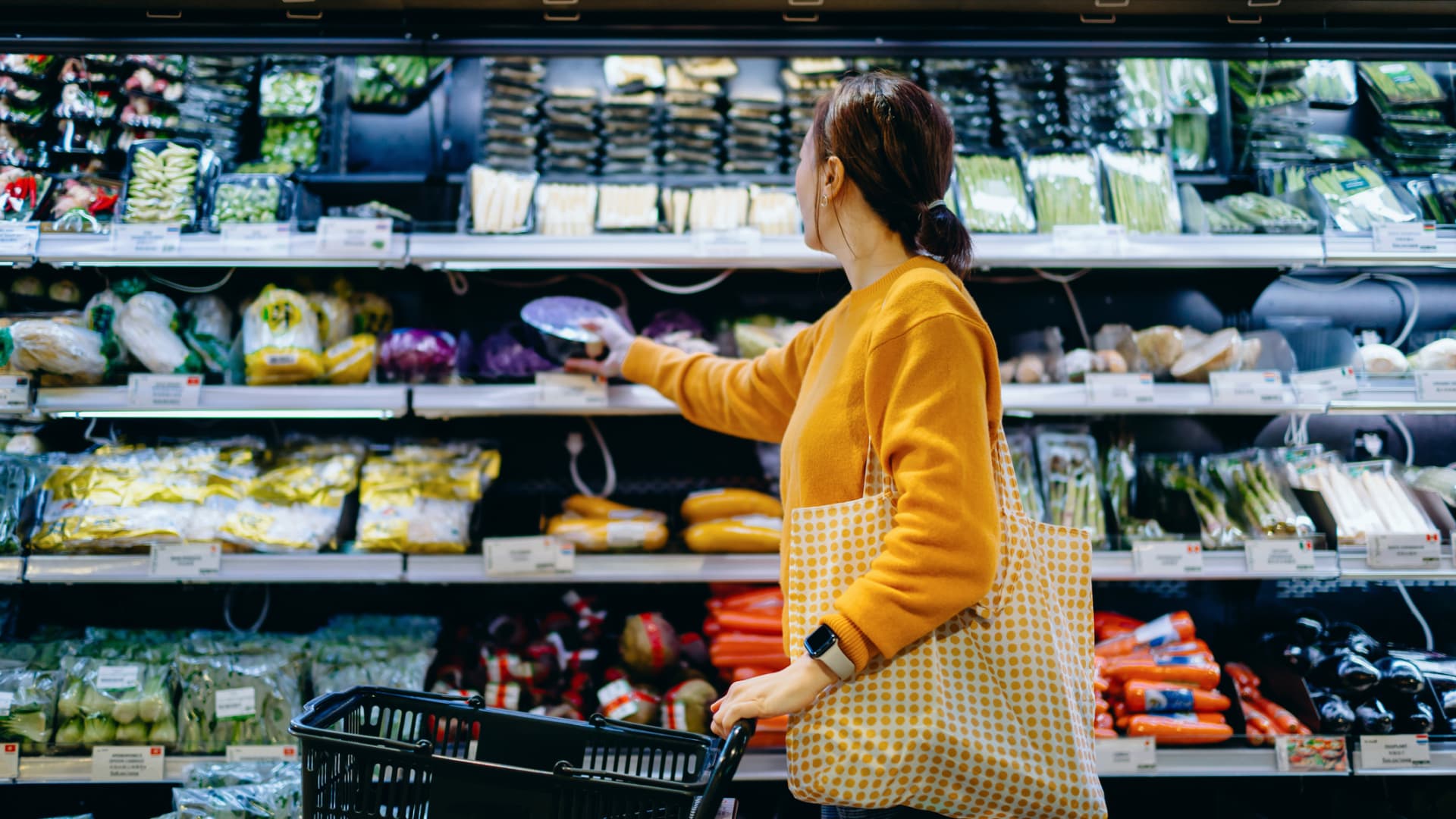
With food prices soaring to near-record highs in 2024, American families are scrambling to stretch their grocery budgets without sacrificing nutrition. The U.S. Bureau of Labor Statistics reports food-at-home costs rose 5.8% over the past year, forcing 64% of consumers to alter shopping habits according to a recent McKinsey survey. From meal planning apps to strategic bulk buying, savvy shoppers are employing innovative tactics to combat inflation at the checkout line.
The Rising Cost of Nutrition
Grocery bills have become a financial pressure point for households nationwide. The USDA predicts a 5.8% increase in food prices for 2024, with staples like eggs (up 8.9%), cereals (7.6%), and poultry (5.6%) leading the surge. “We’re seeing unprecedented volatility in food costs due to climate disruptions, supply chain bottlenecks, and geopolitical factors,” explains Dr. Sarah Chen, agricultural economist at Cornell University. “Consumers need to approach grocery shopping with the same strategic mindset they use for other household budgets.”
Meanwhile, food banks report a 40% increase in demand compared to pre-pandemic levels, signaling growing food insecurity among middle-income families. “It’s not just low-income households feeling the pinch,” notes James Rodriguez of Feeding America. “We’re serving teachers, nurses, and small business owners who never needed assistance before.”
Proven Strategies to Combat Grocery Inflation
Financial experts and nutritionists recommend these evidence-based approaches to reduce food spending:
- Meal planning mastery: Households that plan meals waste 30% less food according to USDA data. Apps like Mealime and Plan to Eat can cut grocery costs by 15-20%.
- Strategic shopping: “Shop perimeter stores first for markdowns on fresh items, then fill in with shelf-stable staples,” suggests supermarket analyst Maria Gutierrez. “Timing visits for late afternoon can yield the best markdowns on perishables.”
- Unit price awareness: A Consumer Reports study found 78% of shoppers overlook unit pricing, often paying 20-40% more for convenience packaging.
Innovative Approaches to Stretch Your Food Dollar
Beyond traditional coupons and sales, modern solutions are emerging:
Digital discount platforms: Apps like Flashfood and Too Good To Go connect shoppers with deep discounts on surplus inventory from local grocers. “We’ve helped users save an average of $50 weekly while reducing food waste,” says Flashfood CEO Josh Domingues.
Alternative protein integration: Replacing 30% of meat purchases with plant-based proteins can save $400 annually per household, according to Johns Hopkins research. Pulses like lentils and chickpeas provide comparable nutrition at a fraction of meat costs.
Community-supported agriculture (CSA): Direct-from-farm subscriptions often provide 20-30% savings on organic produce while supporting local growers. Many CSAs now accept SNAP benefits and offer sliding scale payments.
The Psychology of Smart Food Spending
Behavioral economists emphasize mindset shifts for lasting savings:
- Adopt a “flexitarian” approach, building meals around seasonal specials rather than rigid recipes
- Practice the “30-minute rule” – wait half an hour before purchasing non-essential items
- Designate one “pantry meal” night weekly to use up leftovers and nearly-expired items
“The most successful budgeters view constraints as creative challenges,” notes behavioral scientist Dr. Elijah Thompson. “They develop systems rather than relying on willpower alone.”
Future Outlook and Continued Savings
While economists predict moderate easing of food inflation in late 2024, prices are unlikely to return to pre-pandemic levels. Building sustainable shopping habits now will pay dividends regardless of market fluctuations. Many families find their new strategies yield unexpected benefits – 62% report eating healthier since implementing budget-conscious meal planning according to a Harvard/Northeastern joint study.
For ongoing savings, consider joining local buy-nothing groups, learning basic food preservation techniques, or participating in supermarket loyalty programs that offer personalized discounts. The most resilient approach combines traditional frugality with modern tools to create a customized system for your household’s needs.
See more CCTV News Daily