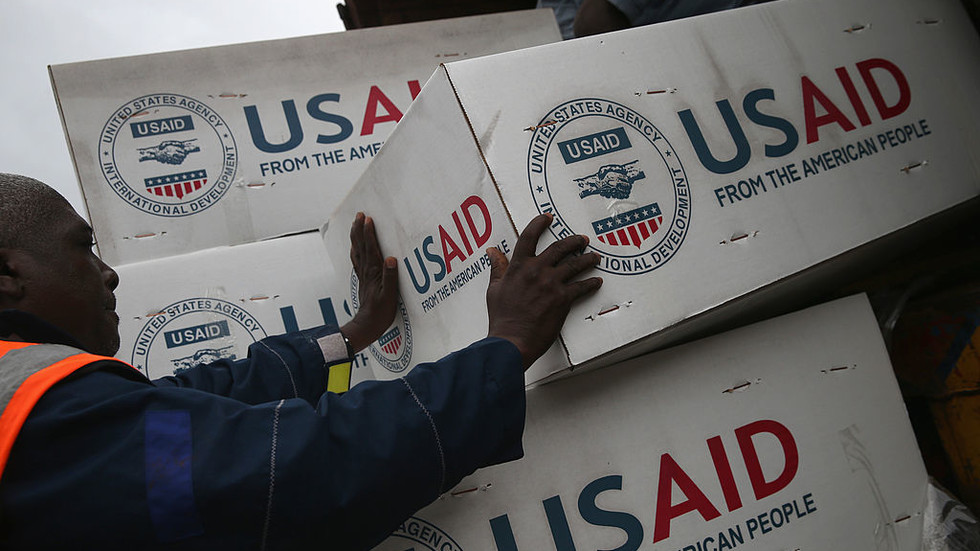
Rethinking Foreign Aid: Why Traditional Approaches Have Fallen Short in Africa
As the global community grapples with one of the most pressing issues of our time—how to effectively support development in Africa—many experts are calling for a re-examination of foreign aid strategies. The traditional models, which have long dominated discussions around assistance, are increasingly being criticized as ineffective, disconnected, and even counterproductive. This article explores the systemic issues surrounding foreign aid in Africa and proposes innovative solutions to foster genuine growth.
The Historical Context of Foreign Aid in Africa
Foreign aid has a storied past, often seen as a noble endeavor aimed at alleviating poverty, promoting economic development, and supporting humanitarian needs. Since the end of World War II, billions of dollars have flowed into African nations. However, despite this influx, many countries remain in a cycle of dependency, struggling with persistent poverty, corruption, and inadequate infrastructure.
The core issue lies in the way foreign aid has been structured. Much of the aid has been tied to political agendas or conditionalities that do not align with the genuine needs of the populations it aims to assist. This has often resulted in a “one-size-fits-all” approach, ignoring local contexts and cultures, which can lead to ineffective solutions that fail to address the underlying problems.
Why Traditional Approaches Have Fallen Short
Many critics argue that traditional foreign aid has fostered dependency rather than empowerment. Here are some key reasons why these approaches have often fallen short:
- Lack of Local Ownership: When foreign aid is delivered without involving local communities in the planning and implementation processes, it can lead to projects that do not reflect the actual needs or priorities of the beneficiaries.
- Short-Term Focus: Many aid programs are designed with short-term goals in mind, often leading to quick fixes rather than sustainable development. This can result in projects that are abandoned once funding ceases.
- Bureaucratic Inefficiencies: Aid often gets tied up in bureaucratic red tape, with a significant portion of funds spent on administrative costs rather than reaching the intended recipients.
- Corruption and Mismanagement: In some cases, foreign aid has inadvertently fueled corruption, with funds being siphoned off by officials or misallocated due to a lack of accountability.
The Cycle of Dependency
One of the most significant criticisms of foreign aid is that it fosters a cycle of dependency. Countries that rely heavily on external assistance may lack the incentive to develop their own systems of governance and economic resilience. This dependency can undermine local industries and reduce the motivation for innovation and self-sufficiency.
Moreover, the continuous influx of aid can distort local markets. For instance, when food aid is distributed without considering local agricultural production, it can lead to a decrease in local farmers’ income, further entrenching the reliance on external support.
Proposing Innovative Solutions for Genuine Growth
To break the cycle of dependency and promote genuine growth, it is imperative to rethink foreign aid strategies in Africa. Here are some proposed solutions that can pave the way for more effective development:
- Emphasizing Local Solutions: Aid programs should prioritize local knowledge and solutions. By engaging communities in the decision-making process, programs are more likely to meet the actual needs of the population.
- Fostering Public-Private Partnerships: Collaborations between governments, NGOs, and private sector entities can create more sustainable models of development. These partnerships can leverage resources, expertise, and innovative approaches to tackle complex challenges.
- Long-Term Investment Over Short-Term Aid: Shifting the focus from immediate relief to long-term developmental strategies can help build sustainable economies. This includes investing in education, infrastructure, and health care.
- Promoting Transparency and Accountability: Ensuring that aid programs are transparent can help mitigate corruption. This includes rigorous monitoring and evaluation systems to track the impact of aid and ensure that funds are being used effectively.
Success Stories: Learning from the Ground Up
There are instances across Africa that showcase the potential of rethinking foreign aid. Countries like Rwanda have made significant strides by focusing on local empowerment and innovation. Community-driven projects in education and agriculture have led to remarkable improvements in living standards without creating dependency on foreign aid.
Additionally, the rise of technology in Africa, often dubbed the “African tech revolution,” highlights how innovative solutions can emerge from local entrepreneurship. Mobile banking platforms like M-Pesa have transformed financial access for millions, showcasing the power of local ingenuity that can thrive without traditional aid models.
The Role of the Global Community
As we rethink foreign aid, it’s vital for the global community to play a supportive role rather than a directive one. This involves recognizing the agency of African nations and their citizens, allowing them to drive their own development agendas. International cooperation should focus on sharing knowledge, best practices, and resources rather than merely transferring funds.
Moreover, addressing global issues like climate change, trade inequities, and health crises is essential, as these factors significantly impact development in Africa. For instance, supporting African nations in building resilient economies in the face of climate change can lead to sustainable growth that is not reliant on aid.
Conclusion: A Call for a Paradigm Shift
The discourse around foreign aid in Africa is at a crucial juncture. Traditional approaches have often fallen short, leading to dependency and inefficiencies that undermine genuine growth. However, by embracing innovative solutions that prioritize local ownership, sustainability, and accountability, we can foster a new paradigm of development.
As we move forward, it is essential to learn from the successes and challenges of past aid efforts, ensuring that future initiatives empower African nations to thrive independently. This shift not only benefits Africa but enriches the global community as a whole, creating a more equitable and prosperous world for everyone.
See more CCTV News Daily