The Controversial Clash: Fossil Fuels vs. Renewables in Developing Nations
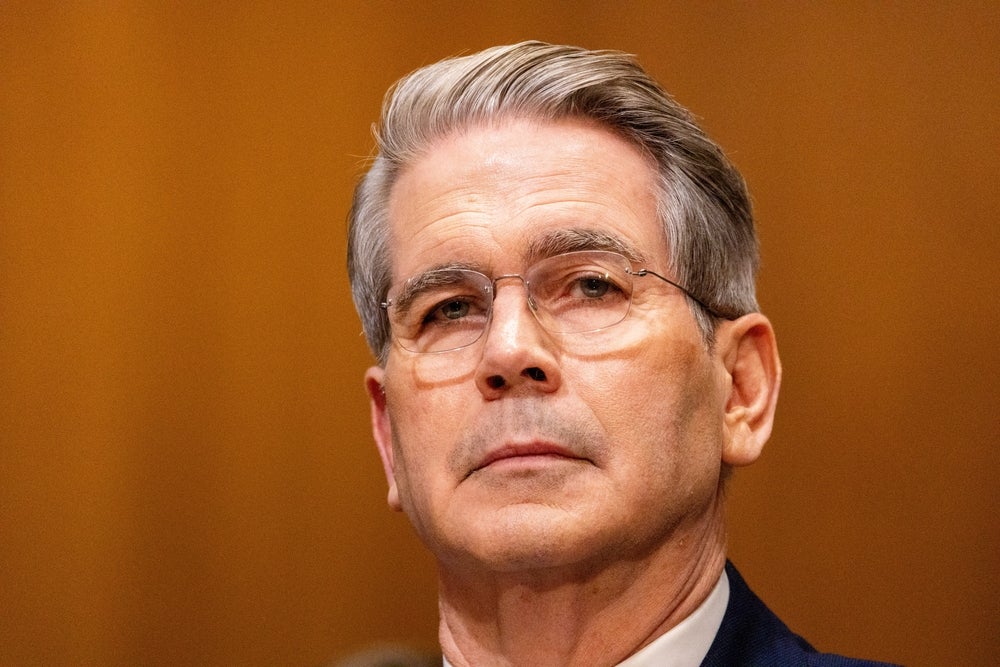
As global energy demands surge, a heated debate has emerged over whether developing nations should prioritize fossil fuels or renewable energy. Investment strategist Scott Bessent argues for continued fossil fuel investments to spur economic growth, while U.S. Treasury Secretary Janet Yellen warns against treating renewables as a “luxury belief.” The dispute intensifies amid former President Trump’s pro-drilling agenda, raising critical questions about sustainable development.
The Case for Fossil Fuels in Emerging Economies
Scott Bessent, founder of Key Square Group and a seasoned investor, contends that fossil fuels remain indispensable for developing nations. “Energy poverty stifles progress,” he asserts. “For countries like India or Nigeria, reliable and affordable power—often from coal or gas—is the fastest route to industrialization and poverty reduction.”
Supporting his argument:
- Cost Efficiency: Fossil fuel infrastructure often requires lower upfront costs compared to renewables.
- Energy Density: Coal and gas plants provide consistent, high-output energy, crucial for heavy industries.
- Employment: The fossil fuel sector supports millions of jobs in regions lacking alternative opportunities.
Data from the International Energy Agency (IEA) shows that coal still accounts for over 35% of electricity generation in Southeast Asia, where demand is growing at 6% annually. “Renewables alone can’t meet this scale yet,” Bessent emphasizes.
The “Luxury Belief” Critique and Renewable Advocacy
U.S. Treasury Secretary Janet Yellen counters that over-reliance on fossil fuels is shortsighted. “Labeling renewables as a ‘luxury’ ignores their long-term economic and environmental benefits,” she stated at a recent climate summit. “Developing nations deserve access to clean energy solutions without being shackled to outdated systems.”
Proponents of renewables highlight:
- Declining Costs: Solar and wind power costs have dropped by 80% and 40%, respectively, since 2010.
- Climate Resilience: Avoiding fossil fuels mitigates future climate disasters, which disproportionately affect poorer nations.
- Energy Independence: Renewables reduce reliance on volatile global fuel markets.
A 2023 World Bank report estimates that renewable energy projects in Africa could create 2.7 million jobs by 2030—far outpacing fossil fuel sectors. “The choice isn’t between growth and sustainability,” Yellen argues. “It’s about smart growth.”
Political Tensions and the “Drill, Baby, Drill” Shadow
The debate unfolds against a divisive political backdrop. Former President Trump’s “Drill, Baby, Drill” mantra has resurfaced in conservative circles, advocating for unfettered fossil fuel expansion. Meanwhile, the Biden administration pushes for global renewable partnerships, such as the Just Energy Transition Agreements (JETPs) with South Africa and Indonesia.
Energy analyst Priya Patel notes, “This isn’t just an environmental issue—it’s geopolitical. Fossil fuel investments often come with strings attached, like reliance on foreign corporations or debt. Renewables offer more local control.”
Balancing Immediate Needs and Long-Term Goals
Developing nations face a daunting balancing act. Bangladesh, for instance, aims to cut carbon emissions by 22% by 2030 while expanding electricity access to 100% of its population. “We can’t sacrifice today’s poor for tomorrow’s planet,” says Dhaka-based economist Rahim Khan. “But we also can’t afford to ignore the climate crisis.”
Hybrid solutions are gaining traction:
- Gas as a Bridge Fuel: Some countries use natural gas—a cleaner fossil fuel—to transition toward renewables.
- Microgrids: Solar-powered local grids provide immediate relief in remote areas.
- International Funding: Programs like the Green Climate Fund help offset upfront renewable costs.
The Path Forward: Collaboration Over Conflict
Experts agree that rigid ideologies won’t solve the energy dilemma. “The answer lies in tailored solutions,” says Patel. “A village in Kenya needs solar panels; a factory in Vietnam may still need coal for now.” The IEA projects that renewables will cover 65% of new global capacity by 2030—but fossil fuels won’t disappear overnight.
Key next steps include:
- Scaling up renewable financing mechanisms for low-income nations.
- Investing in grid modernization to handle intermittent energy sources.
- Ensuring equitable transitions for fossil fuel-dependent communities.
As the world grapples with competing priorities, one truth emerges: the energy transition must be as much about justice as it is about joules. For policymakers, the challenge is clear: deliver energy that is not only abundant but also equitable.
What’s your take? Should developing nations prioritize fossil fuels for growth or leapfrog to renewables? Join the conversation using #EnergyEquity.
See more CCTV News Daily