Economic Growth Surprises: GDP’s 2.3% Surge Falls Short of Expectations
In a surprising turn of events, the latest GDP report indicates a robust 2.3% growth in the fourth quarter, a figure that has sparked both optimism and skepticism among economists and market analysts alike. While the number reflects a resilient economy, it falls short of some forecasts, leading to heated discussions regarding the trajectory of economic growth moving forward. This article delves into the implications of this GDP surge, examines its underlying factors, and considers the potential future trends for the economy.
Understanding the GDP Surge
The Gross Domestic Product (GDP) serves as a cornerstone indicator of economic health, measuring the total value of goods and services produced over a specific period. The reported 2.3% growth in the fourth quarter suggests a vigorous economy, bolstered by consumer spending, business investments, and a resurgence in exports. However, this figure is juxtaposed against various forecasts that predicted even stronger growth, leading to a sense of ambivalence in economic circles.
Key Contributors to the Growth
A thorough analysis of the components contributing to the GDP surge reveals several key factors:
- Consumer Spending: A significant driver of economic growth, consumer spending increased as households benefitted from job stability and rising wages. Retail sales saw an uptick, particularly during the holiday season, indicating strong demand for goods and services.
- Business Investments: Corporations resumed capital expenditures, investing in technology and infrastructure, a sign of confidence in future economic conditions. This investment is crucial for long-term productivity and competitiveness.
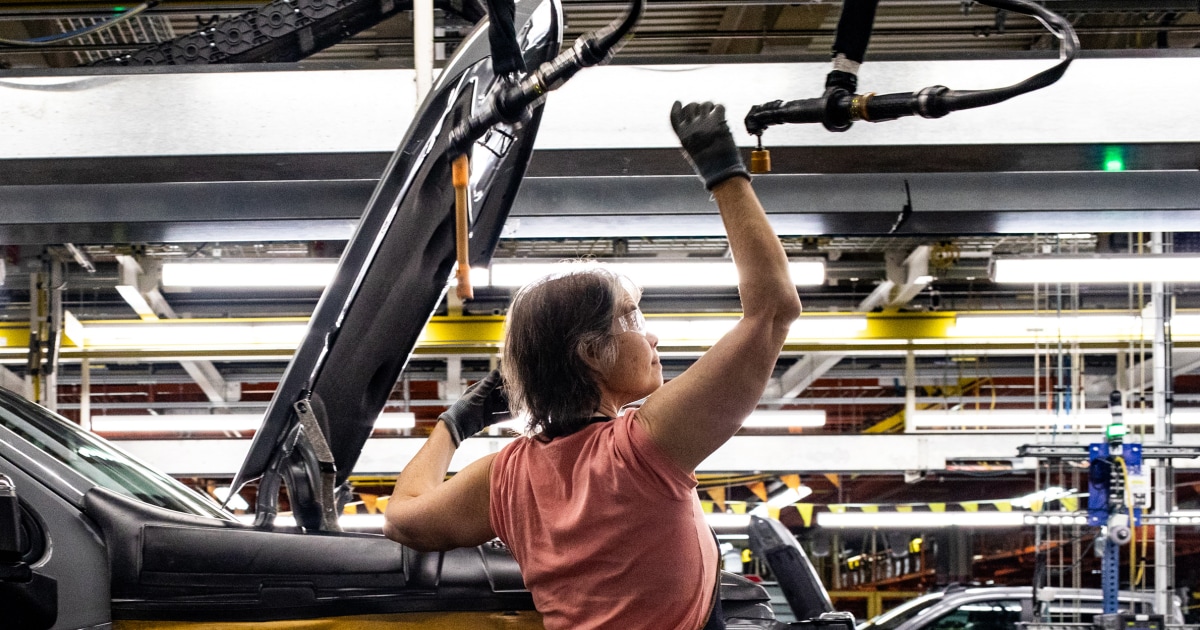
- Export Growth: A rebound in global demand has led to increased exports, particularly in the manufacturing sector, which has been a bright spot in the economy. This growth not only boosts GDP but also supports job creation domestically.
Dissecting the Shortfall
Despite the positive growth figure, analysts point to the disappointment stemming from expectations that ranged higher. Various factors contributed to this sentiment:
- Inflationary Pressures: Persistent inflation has been a major concern, impacting consumer purchasing power and overall economic stability. While the 2.3% growth indicates resilience, inflation remains a cloud hanging over the economic outlook.
- Geopolitical Uncertainties: Global events, such as political tensions and supply chain disruptions, have contributed to a cautious economic environment. Analysts fear that these factors might hinder future growth prospects.
- Interest Rate Hikes: The Federal Reserve’s ongoing adjustments to interest rates to combat inflation could stifle economic activity if borrowing costs rise too steeply, potentially slowing consumer spending and business investments.
Expert Opinions on Future Trends
Given the mixed signals from the latest GDP report, economists are divided on what lies ahead. Some predict a continued recovery, while others caution against complacency. Here are a few perspectives:
- Optimistic Outlook: Proponents of the growth narrative argue that the economy is on a steady path to recovery, with strong fundamentals in place. They believe that as inflation is brought under control and global uncertainties fade, consumer confidence will rebound, further fueling growth.
- Cautious Approach: Skeptics warn that the current economic environment is fragile. They emphasize the need for sustained fiscal and monetary policy support to navigate potential headwinds, including rising interest rates and ongoing supply chain issues.
The Broader Economic Implications
The implications of the 2.3% GDP growth extend beyond mere numbers; they influence policy decisions, investor confidence, and consumer behavior. Here are some potential impacts:
- Policy Adjustments: The Federal Reserve may reassess its approach to interest rates in light of the growth figures. If inflation shows signs of stabilizing, the Fed might opt for a more gradual rate increase, fostering a more conducive environment for growth.
- Investor Sentiment: A strong GDP figure generally boosts investor confidence, leading to enhanced market performance. However, the shortfall relative to expectations might temper enthusiasm, resulting in volatility in equity markets.
- Consumer Behavior: As economic indicators fluctuate, consumer spending patterns may also shift. Should inflation persist, consumers could become more cautious, impacting retail sales and overall economic momentum.
In summary, the reported 2.3% GDP growth in the fourth quarter has stirred a complex mix of emotions in the economic landscape. While it signifies resilience and recovery, the shortfall against expectations reminds us that the path to economic stability is fraught with challenges. As economists analyze the data and project future trends, it’s imperative for policymakers to remain vigilant and adapt to the evolving conditions. The broader economy’s health hinges not only on current growth figures but also on the collective response to inflation, geopolitical uncertainties, and the ever-changing global market dynamics.
Ultimately, fostering a stable economic environment requires a collaborative effort from all stakeholders, including government, businesses, and consumers. By staying informed and adaptable, we can collectively navigate the uncertain waters of economic growth, turning surprises into opportunities for a brighter financial future.
See more CCTV News Daily