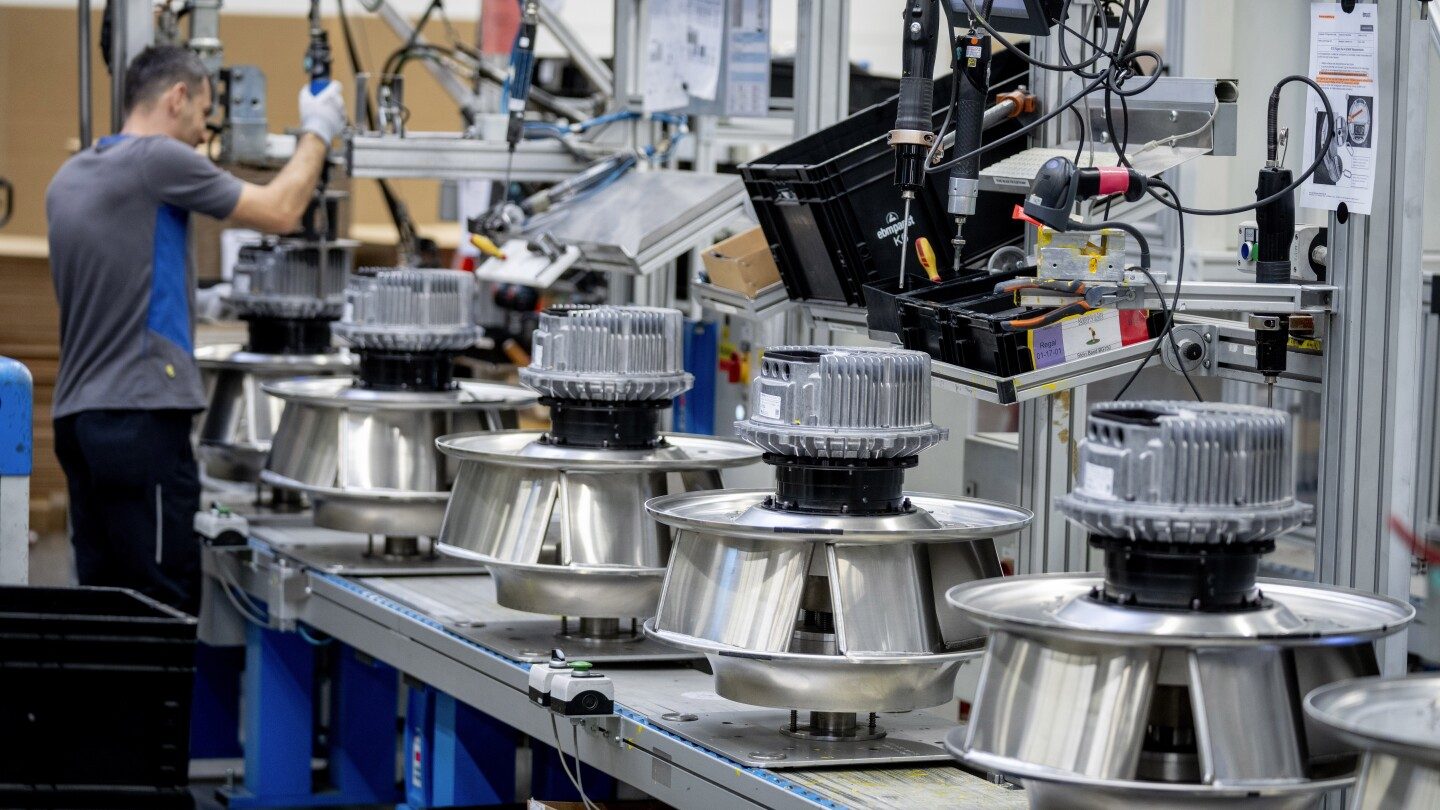
Revitalizing Germany: The Economic Challenge Ahead for the Next Government
As Germany stands at a crossroads, the incoming government faces the daunting task of revitalizing the economy. This pivotal moment calls for innovative strategies and decisive action to address pressing economic challenges and secure a prosperous future. The post-pandemic landscape, coupled with geopolitical tensions and a transitioning global economy, demands a comprehensive response to ensure that Germany remains a leader in Europe and the world.
The Current Economic Landscape
Germany’s economy, traditionally robust and resilient, is currently grappling with several challenges. The aftermath of the COVID-19 pandemic has left scars on multiple sectors, from manufacturing to services. Supply chain disruptions, inflationary pressures, and a labor market undergoing transformation are just a few hurdles the new government must navigate.
Moreover, the ongoing conflict in Ukraine has exacerbated energy costs, with German reliance on Russian gas being a particular concern. This geopolitical backdrop has forced Germany to reassess its energy policies and seek alternatives to secure energy independence while also addressing climate change commitments. The pressure to move towards greener energy solutions while ensuring economic stability presents a complex puzzle for policymakers.
Key Challenges Facing Germany’s Economy
In order to effectively revitalize Germany’s economy, the next government must tackle several key challenges:
- Inflation and Cost of Living: With inflation rates rising, consumers are feeling the pinch. The government needs to implement measures to stabilize prices without stifling growth.
- Energy Transition: The shift towards renewable energy is essential, yet requires substantial investment and innovation. Balancing this transition with energy security is crucial.
- Labor Market Evolution: The post-pandemic job landscape has changed, with remote work becoming prevalent. Adapting workforce skills to meet new demands is imperative.
- Digital Transformation: Germany must enhance its digital infrastructure to remain competitive. Investments in technology and innovation are necessary to foster growth.
- Global Supply Chain Issues: Addressing supply chain vulnerabilities is vital for economic resilience. Diversification of suppliers and local production can mitigate risks.
Strategic Approaches for Revitalization
To tackle these challenges, the incoming government can adopt several strategic approaches:
1. Economic Stimulus Packages
Implementing targeted economic stimulus packages can provide immediate relief to struggling sectors. This could include:
- Direct financial support to industries heavily impacted by the pandemic, such as tourism and hospitality.
- Tax incentives for businesses that invest in innovation and sustainability.
- Subsidies for energy-efficient technologies to encourage green transitions.
2. Investment in Renewable Energy
Germany has long been a frontrunner in renewable energy. The government must continue to invest in this sector by:
- Expanding wind and solar farms to reduce reliance on fossil fuels.
- Promoting research and development of new energy technologies.
- Encouraging public-private partnerships to finance large-scale energy projects.
3. Workforce Development Programs
To address the evolving labor market, the government should focus on:
- Reskilling and upskilling workers to meet the demands of a digital economy.
- Enhancing vocational training programs to align with industry needs.
- Promoting internships and apprenticeships to bridge the gap between education and employment.
4. Strengthening Digital Infrastructure
In today’s economy, digital infrastructure is crucial. The next government should prioritize:
- Investing in high-speed internet access across urban and rural areas.
- Supporting small and medium enterprises (SMEs) in adopting digital tools.
- Encouraging innovation hubs and tech start-ups through funding and resources.
5. Enhancing Global Trade Relations
As a major exporter, Germany must strengthen its trade relationships by:
- Negotiating trade agreements that benefit German interests while promoting fair trade practices.
- Diversifying export markets to reduce dependency on specific regions.
- Supporting local businesses in accessing international markets.
Fostering Economic Resilience through Innovation
Revitalizing Germany’s economy will also require embracing innovation at all levels. The government can facilitate this by:
- Creating innovation grants for research institutions and private enterprises.
- Establishing incubators and accelerators to support start-ups in emerging sectors.
- Encouraging collaboration between businesses and academia to drive technological advancements.
The Role of Public Engagement
Another critical aspect of economic revitalization is public engagement. The next government should prioritize transparency and communication with citizens about economic policies and their implications. This can be achieved through:
- Regular public forums to discuss economic strategies and gather feedback.
- Educational campaigns to inform citizens about the importance of sustainability and innovation.
- Encouraging civic participation in economic decision-making processes.
Conclusion: A Vision for Germany’s Economic Future
The challenges facing Germany’s economy are significant, but they are not insurmountable. With a clear vision and a commitment to innovation, sustainability, and public engagement, the next government has the opportunity to lead Germany into a prosperous future. By revitalizing the economy through strategic investments and policies, Germany can not only recover from current adversities but can also thrive as a global economic leader. This is a pivotal moment, and the path chosen will define the economic landscape for generations to come.
See more CCTV News Daily