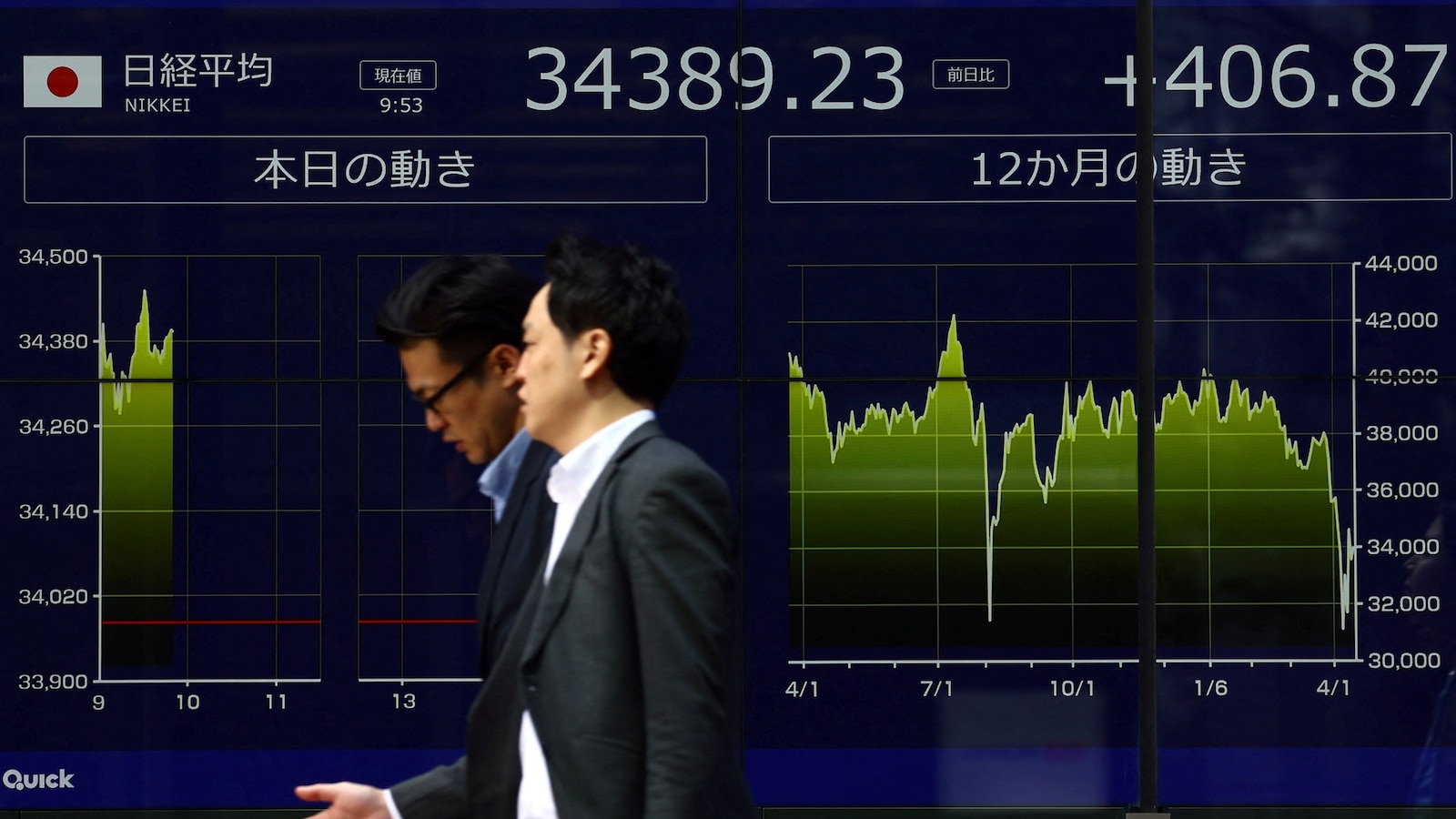
Global markets are defying expectations as they rally despite persistent tariff uncertainties, with US futures leading the charge. Investors worldwide are adapting to the volatile landscape, driving gains in equities and commodities even as trade tensions simmer. Analysts attribute this resilience to strategic portfolio diversification, strong corporate earnings, and anticipatory bets on policy resolutions. The unexpected upturn, observed over the past month, highlights the complex interplay between geopolitical risks and market psychology.
The Paradox of Strength Amid Trade Tensions
While tariffs typically spur market anxiety, recent data reveals a counterintuitive trend. The MSCI World Index has climbed 4.2% since mid-April, while S&P 500 futures rose 3.8%—despite new US tariffs on $18 billion of Chinese imports. This surge coincides with:
- Robust Q1 earnings from tech and industrial sectors (average beat of 6.3%)
- A 12% year-to-date inflow into emerging market ETFs
- Falling volatility (VIX down to 12.8 from February’s 18.5 peak)
“Markets are pricing in tariff containment,” suggests Claudia Vasquez, Chief Strategist at Horizon Capital. “Investors see these as negotiating tactics rather than long-term barriers. The real surprise is how quickly algorithms adjusted to this ‘new normal’ of trade brinkmanship.”
Investor Strategies in a Shifting Landscape
Portfolio managers are employing three key tactics to navigate uncertainty:
- Geographic arbitrage: Shifting allocations to tariff-resilient markets like Vietnam (up 14% YTD) and India
- Sector rotation: Boosting exposure to domestic-focused US small-caps (Russell 2000 +7.1%)
- Hedging: Options trading volume hit a 3-year high last week, per CBOE data
Meanwhile, commodity traders are capitalizing on supply chain realignments. Copper futures jumped 9% in May as manufacturers stockpile alternatives to Chinese-sourced materials. “This isn’t 2018’s trade war playbook,” notes commodities analyst Derek Lim. “Markets learned tariffs often get walked back—the smart money now front-runs compromises.”
The Policy Wildcards Ahead
Two looming decisions could reshape the rally:
- June 12 EU meeting: Potential retaliatory tariffs on US green tech
- July G20 summit: Possible US-China tariff freeze agreement
Fed Chair Powell’s recent comments suggest central banks may offset trade impacts: “We have tools to address material economic disruptions.” This safety net appears to reassure markets, with bond yields stabilizing near 4.3%.
Regional Divergences Tell a Deeper Story
Not all markets are riding the wave equally. While Asia ex-China enjoys foreign investment inflows ($22B in April), European bourses lag (Stoxx 600 +1.9%) amid auto tariff fears. The bifurcation reveals underlying caution:
“You’re seeing capital flow to where it’s treated best—and where tariffs create relative advantages,” explains Singapore-based fund manager Priya Desai. She notes Southeast Asian tech exports to the US surged 28% YoY as firms diversify suppliers.
What History Suggests About the Rally’s Staying Power
An analysis of 15 past tariff events by Brookings Institution shows:
- Initial market drops average -5.2% in first 2 weeks
- 74% of cases saw full recovery within 6 months
- Commodities outperform equities by 3:1 ratio during disputes
However, today’s scenario differs with simultaneous high interest rates and AI-driven productivity gains potentially cushioning impacts.
Preparing for the Next Phase
As the tariff chess game continues, analysts advise:
- Monitor shipping data (Baltic Dry Index up 18% since March)
- Watch semiconductor equipment orders as leading indicator
- Track Treasury 10s-2s spread for recession signals
The coming weeks will test whether this rally reflects durable confidence or temporary positioning. With earnings season winding down, markets may grow more reactive to trade headlines. For now, the lesson appears clear: in modern geopolitics, sometimes the threat of conflict proves more manageable than its execution.
Stay informed with our daily market briefs—subscribe to receive expert analysis on how macro trends impact your portfolio.
See more CCTV News Daily