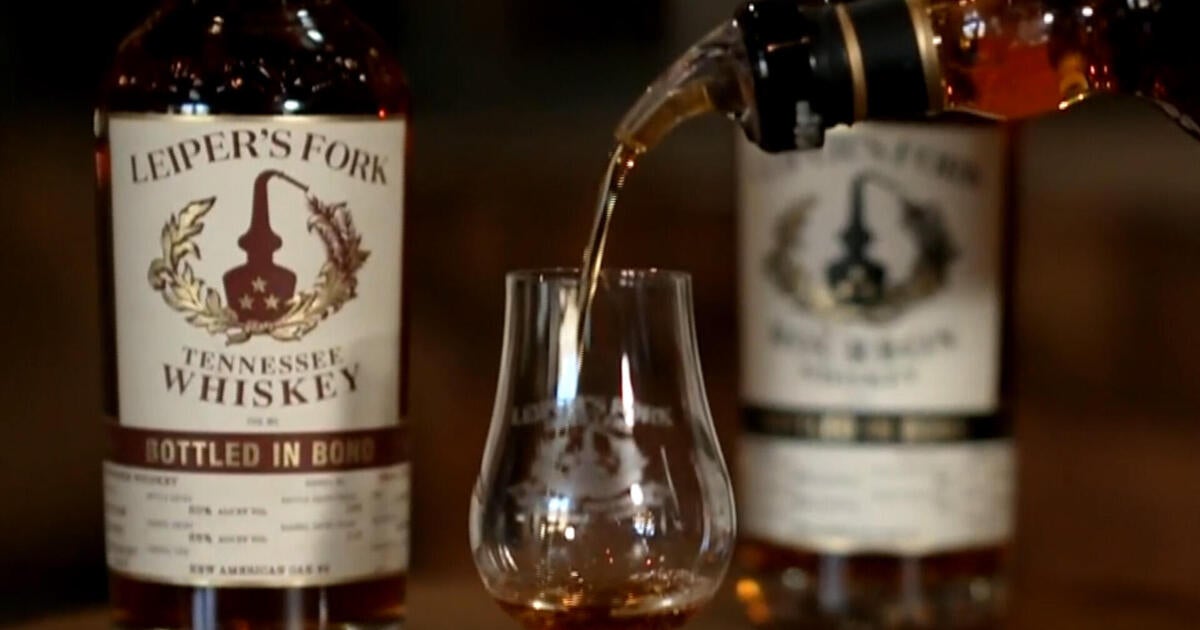
The Global Tariff Crisis: Understanding Its Impact on Local Bars
As the world grapples with rising trade tensions, the effects of the global tariff crisis are being felt in unexpected places, including your favorite local bar. Tariffs, which are taxes imposed on imported goods, can lead to increased prices for products that bars rely on, ultimately affecting their bottom line and altering the experience for consumers. This article delves into how these international trade disputes trickle down to your neighborhood watering hole and what it means for patrons.
What Are Tariffs and Why Do They Matter?
Tariffs are essentially taxes that governments impose on imported goods to protect domestic industries or to retaliate against other countries’ trade practices. When these tariffs rise, the costs associated with imported products increase, which can lead to a series of economic ripples that affect local businesses, including bars.
For instance, if a bar sources its craft beers from overseas, a tariff on those imports could significantly raise the price. Here’s a breakdown of how this plays out:
- Increased Costs: Bars may face higher wholesale prices for imported beverages and ingredients.
- Menu Adjustments: To cope with rising costs, bars might alter their menus, reducing options or increasing prices for consumers.
- Supply Chain Disruptions: Tariffs can lead to delays in the supply chain, making it harder for bars to maintain stock levels.
The Ripple Effects on Local Bars
The global tariff crisis is not just a distant economic issue; it’s a reality that affects the local bar scene. Here are some specific ways this crisis is manifesting in bars across the country:
1. Price Increases
As mentioned earlier, if a bar’s suppliers increase their prices due to tariffs, those costs are often passed down to consumers. This can manifest in higher prices for drinks, food, or even cover charges at live events.
2. Shift in Product Offerings
To mitigate losses, bars may begin to favor domestic products over imports. This shift can lead to a reduction in the variety of beverages available. For example, if a popular craft beer from Belgium becomes too costly due to tariffs, the bar might replace it with a local brew, which, while supporting local businesses, could disappoint patrons who have a taste for international selections.
3. Changes in Customer Behavior
Consumers may start to adjust their spending habits in response to price increases. Some may choose to visit bars less frequently or opt for cheaper drink options. This change in behavior can have a cascading effect on bar revenues, leading to potential cutbacks in staff or even closures.
The Broader Economic Impact
The global tariff crisis does not only affect the bars themselves, but also the economy at large. Here are some broader implications:
- Job Losses: If bars struggle financially, they may have to reduce staff, leading to increased unemployment in the local community.
- Local Breweries and Suppliers: Increased tariffs on imports can create a more favorable market for local breweries, but if local bars can’t afford to buy from them, this potential advantage diminishes.
- Consumer Sentiment: Rising prices can lead to discontent among consumers, impacting overall economic health and local spending.
What Can Bars Do to Adapt?
In light of the global tariff crisis, bars are finding innovative ways to adapt to the changing landscape:
- Diversifying Suppliers: Many bars are seeking out new suppliers, both domestic and international, to minimize the impact of tariffs.
- Promoting Local Products: By emphasizing local brews and spirits, bars can not only support their community but also sidestep some of the tariff-related issues.
- Engaging Customers: Communicating openly with patrons about pricing changes and the reasons behind them can foster understanding and loyalty.
What It Means for Consumers
As consumers, the global tariff crisis means that we may have to adapt our expectations and spending habits when visiting local bars. Here are some points to consider:
- Expect Price Changes: Be prepared for potential increases in drink prices or menu items as bars adjust to tariffs.
- Support Local: Choosing locally produced beverages can help mitigate the effects of tariffs and support the local economy.
- Stay Informed: Understanding the broader economic landscape can help consumers make informed choices about where to spend their money.
The global tariff crisis is a complex issue that has far-reaching implications, especially for local bars. As these establishments navigate increased costs and shifting consumer behaviors, it’s essential for both bar owners and patrons to work together to find solutions. By supporting local products and maintaining open lines of communication, communities can weather this storm and emerge stronger.
In these challenging times, it’s crucial to remember that every drink purchased at your local bar is not just a transaction but a support of local economy and culture. So, the next time you raise a glass, you’re not just quenching your thirst; you’re also contributing to the resilience of your community amidst the global tariff crisis.
See more CCTV News Daily