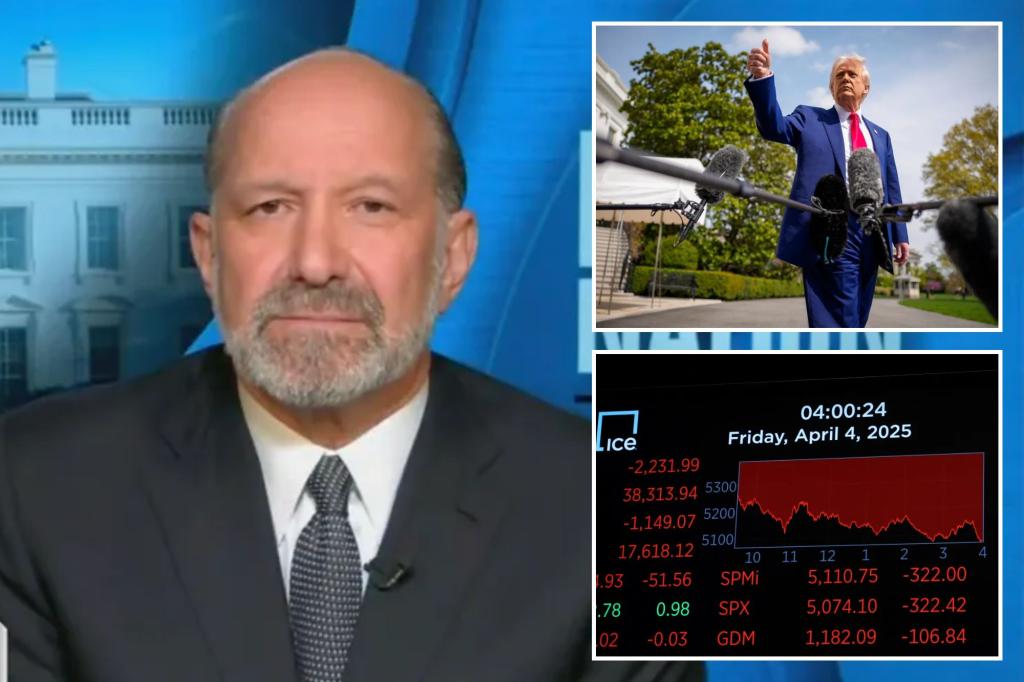
Global Tariff Talks Heat Up as 50 Nations Engage with US Commerce Secretary
In a pivotal development for international trade, US Commerce Secretary Howard Lutnick revealed that representatives from 50 nations have entered high-stakes negotiations on global tariffs. Speaking at a press briefing in Washington, D.C., Lutnick stressed the urgency of these talks, stating that postponement could jeopardize economic stability amid shifting trade dynamics. The discussions, which began this week, aim to address growing concerns over protectionism, supply chain resilience, and fair competition.
Why These Tariff Negotiations Matter Now
The current round of talks marks the largest multilateral effort on tariffs since the WTO’s Doha Round stalled in 2015. According to World Bank data, global trade tariffs averaged 7.5% in 2023, with some sectors facing rates as high as 25%. Economists warn that without coordinated action, escalating trade barriers could shave 0.8% off global GDP growth in 2024.
“We’re at a crossroads,” said Dr. Elena Rodriguez, Senior Fellow at the Peterson Institute for International Economics. “Either nations find common ground, or we risk a domino effect of retaliatory measures that could undo decades of trade liberalization.”
Key factors driving the urgency include:
- Post-pandemic supply chain realignments
- Rising geopolitical tensions affecting trade flows
- Technological competition in sectors like semiconductors and clean energy
The US Position and Key Negotiation Points
Secretary Lutnick outlined three priority areas for the United States:
- Reducing non-tariff barriers in digital trade
- Addressing industrial subsidies that distort markets
- Creating dispute resolution mechanisms for emerging technologies
“What we’re seeing is unprecedented engagement,” Lutnick noted. “When 50 nations come to the table, it signals recognition that the old playbook no longer applies.” The Commerce Department reports that preliminary talks have already covered 18 sectors, with the most contentious discussions revolving around:
Agricultural tariffs: Currently averaging 14% globally, these disproportionately affect developing economies.
Auto industry levies: Ranging from 2.5% (US) to 15% (China) on passenger vehicles.
Steel and aluminum: Where the US maintains 25% and 10% tariffs respectively since 2018.
Diverse National Perspectives Emerging
While the EU pushes for climate-related trade provisions, developing nations led by India and South Africa are advocating for special treatment to protect nascent industries. “One size cannot fit all in these negotiations,” argued Indian Commerce Minister Priya Patel. “We must balance open markets with the policy space needed for industrialization.”
Meanwhile, business leaders express cautious optimism. “Tariff uncertainty has been costing mid-sized exporters $1.2 million annually in compliance expenses,” noted James Whitmore, CEO of the Global Trade Alliance. “Streamlined rules could free up capital for innovation rather than paperwork.”
Critics, however, warn of potential pitfalls. The Economic Policy Institute’s research suggests poorly structured agreements could displace 3.2 million US manufacturing jobs over the next decade. “There’s a right way and a wrong way to do this,” cautioned labor economist Mark Williams. “We need enforceable labor and environmental standards baked into any deal.”
Potential Roadblocks and Breakthrough Areas
Analysts identify several make-or-break issues:
- Most Favored Nation (MFN) status: How to reconcile bilateral and multilateral commitments
- Sunset clauses: Whether agreements should have expiration dates
- Enforcement: Mechanisms to ensure compliance without triggering trade wars
Notably, 32 of the participating nations have signaled willingness to establish a digital trade framework—a potential early win. The OECD estimates that removing digital trade barriers could boost global services exports by $1.3 trillion annually.
What Comes Next in the Global Tariff Talks
The negotiating parties aim to draft preliminary agreements by Q3 2024, with working groups scheduled to meet monthly. Secretary Lutnick confirmed that the next major round will occur in Geneva, leveraging WTO infrastructure while operating as a parallel track.
As the talks progress, stakeholders recommend:
- Monitoring sector-specific impact assessments
- Engaging with local trade commissions
- Preparing for phased compliance requirements
“This isn’t just about tariffs—it’s about writing the rules for 21st-century commerce,” Lutnick concluded. With global trade volumes projected to grow by just 1.7% in 2024 (down from 3.4% pre-pandemic), the pressure for meaningful outcomes intensifies by the day.
For businesses and policymakers alike, the message is clear: stay informed and prepare to adapt. Subscribe to trade policy updates through your national commerce department to track how these negotiations may affect your industry.
See more CCTV News Daily