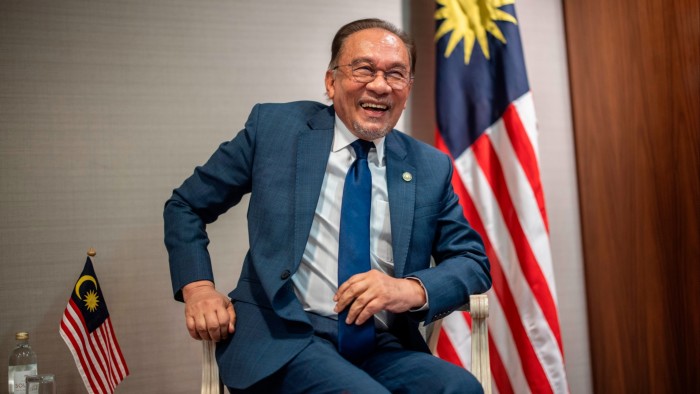
Malaysia’s PM Predicts Resilience of Global Trade Amidst Trump’s Leadership
In a recent statement that reverberated through international economic circles, Malaysia’s Prime Minister expressed confidence in the resilience of global trade, even in light of the challenges presented by Donald Trump’s administration. This perspective is particularly relevant as nations grapple with the shifting dynamics of international commerce, driven by the policies and rhetoric from the United States under Trump’s leadership.
The Global Trade Landscape
The global trade landscape has been a tapestry woven with complexities, opportunities, and challenges. In recent years, trade agreements have been pivotal in fostering economic ties between nations. However, the onset of Trump’s presidency marked a significant turning point, as the administration adopted a more protectionist stance, shaking the foundations of established trade relationships.
The Prime Minister’s assertion underscores a crucial point: while Trump’s leadership may introduce initial disruptions, the adaptability of global trade networks will likely prevail. Countries are not monolithic; they possess unique capabilities and resources that can be leveraged to navigate through turbulent waters.
Adaptive Strategies for Nations
As Malaysia’s Prime Minister pointed out, nations may employ various adaptive strategies to mitigate the impact of any trade disruptions. These strategies can be categorized into several key areas:
- Diversifying Trade Partners: Countries can reduce reliance on a single market by exploring new trade agreements with emerging economies. For instance, Malaysia has been actively seeking to strengthen ties with ASEAN countries and beyond.
- Investing in Technology: Embracing technology can enhance productivity and open new avenues for trade. Digital platforms facilitate trade in services, allowing nations to capitalize on their expertise.
- Enhancing Local Production: By bolstering local industries, countries can reduce the dependency on imports. This self-sufficiency is crucial in times of global uncertainty.
- Engaging in Multilateral Dialogues: Countries can participate in global forums to advocate for fair trade practices and seek collaborative solutions to common challenges.
Impact of Trump’s Policies
Trump’s policies have undoubtedly created a ripple effect across the globe. His administration’s withdrawal from the Trans-Pacific Partnership (TPP) and renegotiation of NAFTA into the USMCA (United States-Mexico-Canada Agreement) exemplified a shift towards unilateralism. Such actions have left many countries reevaluating their trade strategies.
However, it is essential to recognize that trade is a two-way street. While the U.S. may adopt a more insular approach, other nations are likely to continue pursuing global engagement. For instance, China has been actively expanding its Belt and Road Initiative, aiming to enhance connectivity and trade across Asia, Europe, and Africa.
Resilience Through Innovation
Innovation stands as a cornerstone of resilience in global trade. Countries that prioritize research and development are better positioned to adapt to changes. Malaysia, for example, has invested in various sectors, including electronics, palm oil, and tourism, diversifying its economic base.
Furthermore, the rise of e-commerce has transformed the way businesses operate. Traditional barriers to entry are diminishing, allowing smaller firms to engage in international trade. This democratization of trade can lead to increased competition and innovation, ultimately benefiting consumers.
Regional Cooperation as a Catalyst
As Malaysia’s Prime Minister pointed out, regional cooperation remains crucial in fostering trade resilience. Initiatives such as the Regional Comprehensive Economic Partnership (RCEP) demonstrate a collective commitment to maintaining robust trade ties among Asia-Pacific nations.
By fostering collaboration, countries can create a buffer against external shocks. For instance, ASEAN’s emphasis on economic integration promotes a shared vision of prosperity, allowing member states to navigate the challenges posed by global uncertainties more effectively.
The Role of Consumer Behavior
Consumer behavior plays a significant role in shaping global trade dynamics. As awareness of ethical sourcing and sustainability grows, consumers are increasingly demanding transparency in supply chains. This shift compels companies to adapt their practices, which can influence international trade patterns.
In response to these trends, Malaysian businesses are beginning to prioritize sustainability, aligning with global consumer preferences. By doing so, they not only enhance their market appeal but also contribute positively to the global trade environment.
Emphasizing Long-Term Vision
While immediate challenges may arise from shifting political landscapes, it is vital for nations to maintain a long-term perspective. The Prime Minister’s confidence in global trade resilience stems from the understanding that economic interdependence is a fundamental characteristic of the modern world.
In an interconnected global economy, the fallout from one country’s policies can have far-reaching implications. Therefore, nations must continue to engage in dialogue and cooperation to protect mutual interests.
Conclusion: A Bright Future for Global Trade
In conclusion, Malaysia’s Prime Minister’s prediction of the resilience of global trade amid Trump’s leadership is rooted in a profound understanding of the adaptive strategies available to nations. While challenges are inevitable, the potential for innovation, regional cooperation, and evolving consumer preferences will pave the way for a robust trade ecosystem.
The world is indeed facing a transformative period in international trade, but it is this very uncertainty that fosters creativity and resilience. By embracing change and collaborating on a global scale, nations can ensure that trade remains a driving force for economic growth and prosperity.
As we move forward, it will be essential to monitor these developments closely and adapt strategies accordingly, ensuring that global trade continues to thrive despite the challenges that may arise.
See more CCTV News Daily