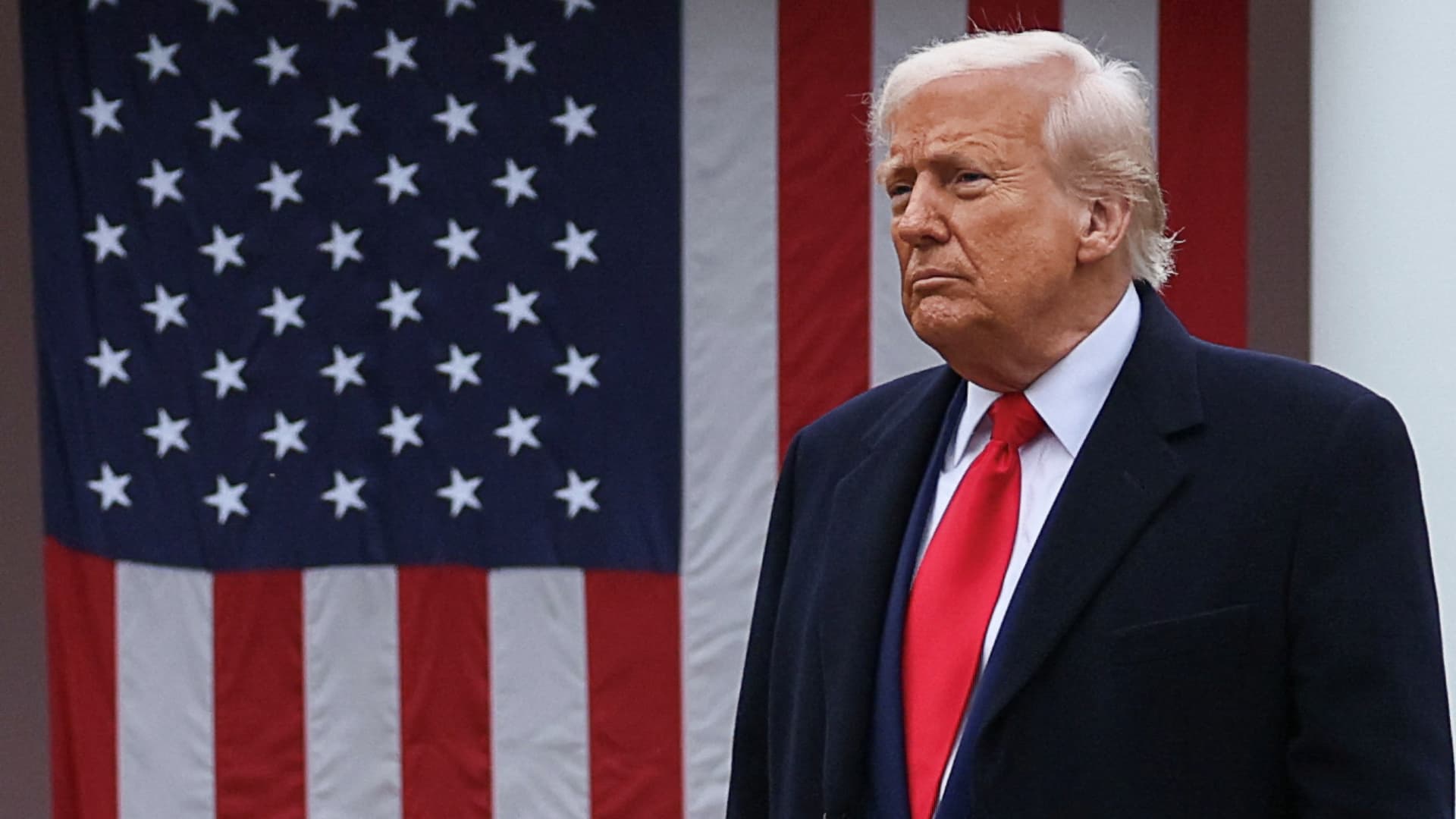
Debunking Trump’s Tariff Theory: The Real Causes Behind the Great Depression
Former President Donald Trump recently claimed that low tariffs triggered the Great Depression, but economists argue this oversimplifies one of history’s most complex economic crises. In the 1930s, the U.S. faced a perfect storm of banking collapses, monetary policy failures, and global trade imbalances—not just tariff levels. This article examines the multifaceted causes of the Depression and why historians caution against single-factor explanations.
The Flaws in the Tariff-Centric Argument
Trump’s assertion hinges on the Smoot-Hawley Tariff Act of 1930, which raised U.S. tariffs on over 20,000 imported goods. However, the Depression had already begun in 1929, and most economists agree Smoot-Hawley exacerbated rather than caused the crisis. “Blaming low pre-1930 tariffs ignores the speculative bubble, Federal Reserve missteps, and debt overhang that primed the economy for collapse,” says Dr. Rebecca Morrison, economic historian at Columbia University.
Key data contradicts the tariff theory:
- U.S. unemployment reached 8.7% before Smoot-Hawley passed (April 1930)
- Global trade declined just 7% from 1929-1930, then plunged 66% after multiple nations retaliated with their own tariffs
- Industrial production had already dropped 20% by mid-1930
The Root Causes Economists Actually Cite
Modern consensus identifies four interlocking drivers of the Great Depression:
1. The 1920s Credit Bubble and Stock Market Crash
Margin buying fueled a speculative frenzy, with stocks trading at 32 times earnings by 1929. When the bubble burst, $30 billion in wealth vanished—equivalent to $500 billion today.
2. Banking Panics and Monetary Contraction
Over 9,000 banks failed between 1930-1933 as the Fed raised interest rates and refused to lend to struggling institutions. Money supply shrank by 35%, strangling business activity.
3. The Gold Standard’s Stranglehold
Nations clinging to gold convertibility couldn’t stimulate economies. Research shows countries abandoning gold earliest (like Britain in 1931) recovered quickest.
4. Global Trade Implosion
While Smoot-Hawley damaged trade, global commerce was already collapsing due to:
- War reparations disrupting capital flows
- Agricultural overproduction worldwide
- Protectionist domino effects after 1930
Why the Tariff Myth Persists
Political narratives often simplify complex histories. “Tariffs make visible targets, whereas monetary policy errors and banking structures operate invisibly,” notes Dr. Alan Chen, author of Depression Myths. The 1930s saw multiple policy failures:
Federal Reserve: Kept interest rates high to defend gold reserves instead of saving banks
Treasury: Insisted on balanced budgets during a downturn
Congress: Passed Smoot-Hawley despite 1,028 economists’ protests
Contemporary parallels emerge in debates over modern trade wars. “The lesson isn’t that tariffs are always bad, but that unilateral actions without economic fundamentals invite retaliation,” says Chen.
Modern Implications and Economic Lessons
Today’s policymakers face different challenges—service-based economies, digital currencies, and complex supply chains—but Depression-era missteps offer warnings:
- Liquidity crises require swift central bank response
- Global coordination prevents trade spirals
- Fiscal stimulus must complement monetary policy
As tariff debates resurface, historians urge examining full contexts. “The 1930s teach us that economic disasters rarely have single causes or cures,” Morrison concludes. “Diagnosing the present requires understanding how multiple systems interact—then and now.”
Call to Action: For deeper analysis, explore the Federal Reserve’s History of the Great Depression archives or attend the upcoming Economic History Association conference on crisis parallels.
See more CCTV News Daily