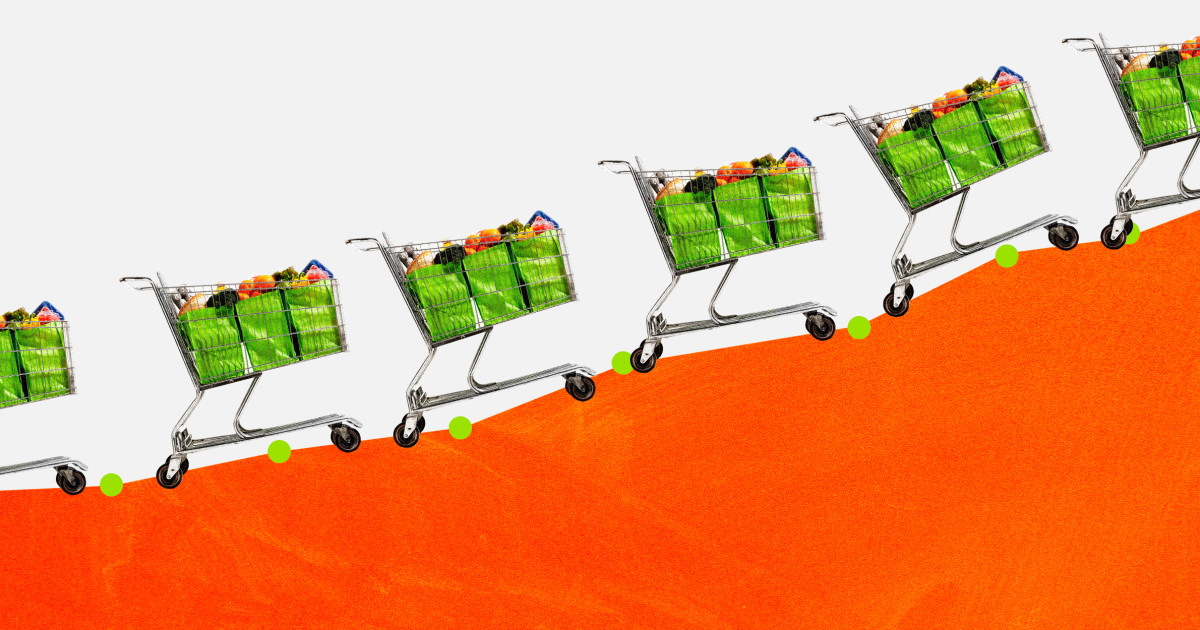
Unveiling the Truth: How Grocery Prices Are Shifting Under Our Feet
In recent years, grocery prices have become a hot topic of conversation among consumers, economists, and industry experts alike. As we dive into the latest analysis of grocery price trends, it’s crucial to understand what factors are driving these changes in our shopping carts. From inflation to supply chain disruptions, this exploration reveals surprising insights that could affect your next trip to the store.
The Current State of Grocery Prices
As of late 2023, grocery prices have seen a notable uptick compared to previous years. Data from the U.S. Bureau of Labor Statistics indicates that food prices have increased by approximately 7% over the past year alone. This rise has been fueled by various factors, which we’ll explore in-depth.
Factors Driving Grocery Price Changes
Understanding how grocery prices are shifting under our feet involves examining several key components that influence these costs. Let’s break down some of the most significant factors:
1. Inflationary Pressures
Inflation has been a dominant force in the economy, impacting everything from energy costs to housing. The Consumer Price Index (CPI) reflects these changes, often revealing that food prices are disproportionately affected. Inflation affects grocery prices in several ways:
- Production Costs: Higher prices for raw materials and labor mean that farmers and manufacturers pass these costs onto consumers.
- Transportation Expenses: Rising fuel costs can lead to increased shipping rates, which ultimately affect the price of goods on store shelves.
2. Supply Chain Disruptions
The COVID-19 pandemic exposed vulnerabilities in global supply chains, leading to shortages and delays. While some sectors have rebounded, the grocery industry continues to face challenges:
- Labor Shortages: Many food production and distribution centers are struggling to hire enough workers, causing bottlenecks.
- Logistical Challenges: Transportation issues, such as port congestion, have hampered the efficient movement of goods.
3. Weather and Climate Change
Extreme weather events and changing climate patterns have a direct impact on agriculture. Droughts, floods, and hurricanes can devastate crops, leading to reduced supply and increased prices. For instance, the 2022 drought in the Midwest significantly impacted corn and soybean yields, which are staples in many grocery products.
4. Consumer Behavior Shifts
Post-pandemic, consumer preferences have also shifted dramatically. The demand for organic, locally sourced, and premium products has surged, leading to price increases in those categories. Additionally, as people return to dining out, there’s a greater demand for convenience foods, which can also escalate grocery prices.
5. Global Economic Factors
Global events, such as geopolitical tensions and trade policies, can further complicate grocery pricing. For example, conflicts in key agricultural regions can disrupt food production and exportation, leading to shortages and price hikes. Moreover, trade tariffs can increase the cost of imported food items.
The Impact on Consumers
As grocery prices shift, consumers are forced to adapt. Here are some trends and strategies that have emerged:
1. Increased Budgeting
With the rising cost of groceries, many households are revisiting their budgets. Shoppers are becoming more price-conscious and are actively seeking deals, discounts, and promotions. Retailers are responding by increasing loyalty programs and advertising sales more aggressively.
2. Emphasis on Meal Planning
Meal planning has become a hot trend as consumers strive to minimize waste and maximize savings. By planning meals around seasonal and on-sale items, shoppers can better manage costs and make strategic purchasing decisions.
3. Shift to Online Shopping
The convenience of online grocery shopping has gained popularity, particularly among younger consumers. Many grocery retailers now offer price comparison tools, making it easier to find the best deals without stepping foot in a store.
4. Exploring Alternative Markets
As prices rise, consumers are exploring alternative markets such as farmer’s markets, co-ops, or wholesale clubs. These venues often provide fresh produce at lower prices, helping to offset costs at traditional grocery stores.
So, what can consumers do to navigate these shifting grocery prices effectively? Here are some actionable tips:
- Stay Informed: Keep an eye on grocery price trends and be aware of seasonality in produce to make smarter shopping decisions.
- Buy in Bulk: Purchasing non-perishable items in bulk can lead to significant savings over time.
- Embrace Coupons: Utilize digital coupons and apps that offer cashback on grocery purchases to reduce costs.
- Support Local Farmers: Buying directly from local farmers can not only save money but also support the local economy.
Conclusion
As we unveil the truth behind grocery prices, it’s clear that multiple factors are at play, creating a complex landscape for consumers. Understanding these trends empowers shoppers to make informed choices, adapt their buying habits, and ultimately save money. While the future remains uncertain, being proactive and strategic in grocery shopping can help mitigate the impact of rising costs. The next time you step into a grocery store, remember that you have the power to navigate these shifting prices effectively.
See more CCTV News Daily