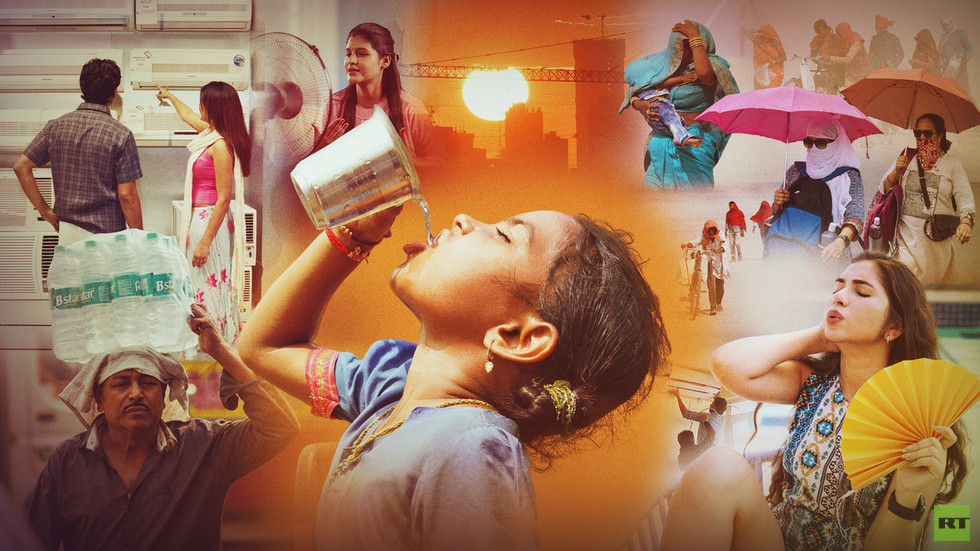
The Heatwave Divide: Understanding the Impact of Climate Change on Economic Inequality
As global temperatures continue to rise, the phenomenon known as heatwaves is becoming increasingly common. These periods of extreme heat are not merely an inconvenience; they are a significant factor in exacerbating economic inequality. The relationship between climate change and socio-economic disparities is complex and multifaceted, revealing that the consequences of rising temperatures disproportionately affect the less fortunate. This article delves into how climate change, particularly through heatwaves, is shaping the economic divide and what this means for our society.
The Science Behind Heatwaves and Climate Change
Heatwaves are defined as prolonged periods of excessively hot weather relative to the usual climate of an area. Research shows that climate change, driven by human activity such as fossil fuel consumption and deforestation, is intensifying these heat events. According to the Intergovernmental Panel on Climate Change (IPCC), the frequency and intensity of heatwaves have increased significantly since the 1950s.
This increase in temperature does not merely pose a threat to comfort; it affects health, agriculture, and overall economic stability. Vulnerable populations, particularly those in urban areas without adequate cooling resources or access to healthcare, are disproportionately impacted. For instance, studies indicate that low-income neighborhoods often lack green spaces and air conditioning, making residents particularly susceptible to heat-related illnesses.
The Economic Costs of Heatwaves
Heatwaves lead to a variety of economic costs that can further entrench inequality. These costs manifest in several ways:
- Health Impacts: Increased temperatures contribute to health issues such as heat exhaustion and respiratory problems. The healthcare costs associated with these conditions can be overwhelming for low-income families.
- Reduced Productivity: Extreme heat can hinder outdoor work and increase absenteeism. Laborers in agriculture and construction, often from low-income backgrounds, face significant challenges during heatwaves.
- Energy Costs: Higher temperatures lead to increased demand for air conditioning, resulting in skyrocketing energy bills that disproportionately affect the poor.
- Food Insecurity: Heatwaves can devastate crops, leading to food shortages and increased prices, which hit low-income households the hardest.
These factors create a cycle of economic disadvantage that is difficult to break. As heatwaves become more frequent, the economic chasm between the affluent and the less fortunate continues to widen.
Vulnerable Populations and the Heatwave Divide
The impact of heatwaves is felt most acutely by marginalized groups, including low-income families, the elderly, and those with pre-existing health conditions. Here’s how these populations are particularly affected:
- Low-Income Families: With limited financial resources, these families often live in neighborhoods that lack adequate public infrastructure. Many do not have the luxury of air conditioning or access to community cooling centers.
- The Elderly: Older adults are more susceptible to heat-related illnesses. During heatwaves, their risk of hospitalization increases significantly, and many may not have family members nearby to assist them.
- People with Pre-existing Conditions: Individuals suffering from chronic health issues are more vulnerable to the effects of extreme heat, which can exacerbate their conditions and lead to higher medical bills.
As these groups struggle to adapt to rising temperatures, the economic divide deepens, creating a vicious cycle where the disadvantaged become even more vulnerable.
Urban Heat Islands: A Geographic Disparity
Urban areas often experience what is known as the “urban heat island” effect, where concrete and asphalt absorb and retain heat, making cities significantly warmer than surrounding rural areas. This phenomenon disproportionately affects low-income neighborhoods, typically characterized by fewer trees and green spaces.
In cities like Los Angeles and New York, studies show that areas with higher poverty rates also experience higher temperatures. This exposure not only affects health but also limits opportunities for economic advancement. Residents in these neighborhoods may find it difficult to secure jobs, maintain health, or even thrive in educational pursuits due to the oppressive heat.
Mitigation Strategies and Solutions
While the situation appears dire, there are steps that can be taken to address the heatwave divide and mitigate the impacts of climate change on economic inequality:
- Investment in Infrastructure: Building green spaces, parks, and community cooling centers can help alleviate the effects of heat in vulnerable neighborhoods.
- Affordable Cooling Options: Programs that provide subsidized air conditioning units or energy-efficient appliances to low-income families can reduce the economic burden of extreme heat.
- Public Awareness Campaigns: Educating communities about heat safety and providing resources can empower residents to protect themselves and their families during heatwaves.
- Policy Changes: Governments should prioritize climate resilience in urban planning and development, ensuring that low-income areas receive the same attention and resources as wealthier neighborhoods.
By implementing these strategies, communities can work towards narrowing the gap created by climate change and heatwaves, fostering a more equitable society.
The Path Forward: A Collective Responsibility
Tackling the heatwave divide requires a collective effort from individuals, communities, and governments. Addressing climate change is not solely an environmental issue; it is a social justice issue that calls for immediate action. By recognizing the interconnectedness of climate and economic disparities, we can create a more resilient future.
Climate change may be a daunting challenge, but it also presents an opportunity for innovation and collaboration. Communities can come together to advocate for sustainable practices, push for policy changes, and support one another in adapting to the changing climate. The road ahead may be difficult, but by addressing the heatwave divide head-on, we can work towards a fairer and more just society for all.
In conclusion, the relationship between climate change and economic inequality is a pressing issue that demands attention. As heatwaves become more frequent and intense, the need for urgent action grows. It is time to recognize that these extreme weather events are more than just a climate concern; they are a catalyst for division. By addressing the root causes and implementing effective solutions, we can strive to bridge the gap and foster a more equitable world.
See more CCTV News Daily