Is a $100,000 Income the New Minimum for Homeownership?
Recent trends in the housing market, underscored by the latest Census data, indicate a significant shift in the financial landscape surrounding homeownership. As aspiring homeowners navigate the complexities of purchasing a home, the question arises: has a $100,000 income become the new minimum threshold for entering the realm of homeownership? This article delves into the data, insights, and implications of this emerging trend, highlighting the intricate relationship between income levels and homeownership rates.
The Correlation Between Income and Homeownership Rates
According to the U.S. Census Bureau, homeownership rates have fluctuated significantly over the past few decades, reflecting broader economic conditions and housing market dynamics. The latest data reveals that households earning at least $100,000 annually account for a substantial proportion of homeowners, suggesting a strong correlation between income levels and the ability to purchase a home.
In 2023, nearly 80% of homeowners reported an annual income above $100,000, a notable increase compared to previous years. This statistic raises an important question: is this income level becoming a new standard for homeownership? The evidence suggests a growing divide in the housing market, where higher-income earners are increasingly able to secure mortgages and purchase homes, while those with lower incomes face significant barriers.
Regional Disparities in Homeownership
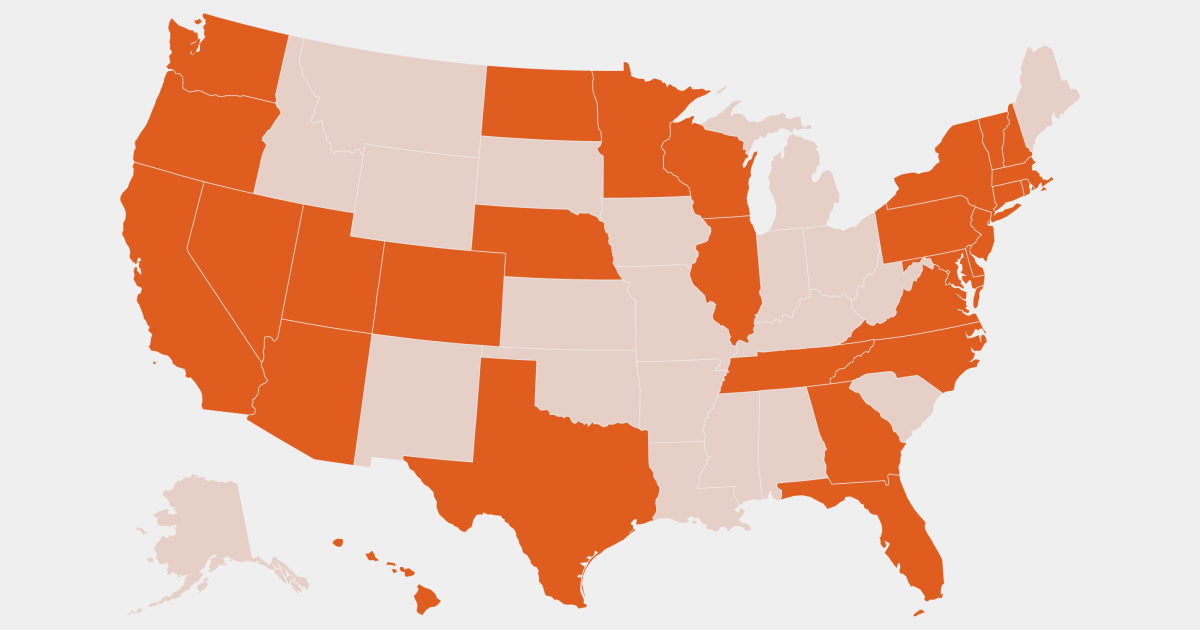
While the national average indicates a shift toward higher income thresholds for homeownership, regional disparities further complicate this picture. For instance, in urban areas where housing prices soar, such as San Francisco or New York City, earning $100,000 may barely suffice to afford a modest home. Conversely, in rural areas, a lower income might still provide access to homeownership. Here are some key factors influencing these disparities:
- Cost of Living: Regions with a high cost of living necessitate higher incomes to secure housing, whereas more affordable areas may allow for homeownership with lower earnings.
- Employment Opportunities: Urban centers often provide higher-paying jobs, attracting individuals who can afford homes, while rural areas may struggle with wage stagnation.
- Housing Supply: Limited housing supply in desirable locations drives prices up, making it increasingly challenging for those with incomes below $100,000 to enter the market.
Understanding Mortgage Requirements
Beyond the income threshold, aspiring homeowners must navigate the intricate requirements imposed by lenders. A $100,000 income can enhance one’s chances of obtaining a mortgage, but it is not the sole determining factor. Here’s what potential homeowners should consider:
- Debt-to-Income Ratio: Lenders typically prefer a debt-to-income ratio below 43%. This means that even with a $100,000 income, significant debts can hinder mortgage approval.
- Credit Score: A higher income does not guarantee loan approval. A strong credit score is essential, as it reflects an individual’s creditworthiness and ability to repay debts.
- Down Payment: While some programs allow for lower down payments, a substantial down payment can significantly influence mortgage terms and monthly payments.
Is $100,000 Income Realistic for First-Time Homebuyers?
For many first-time homebuyers, reaching that $100,000 income mark may seem daunting, especially for younger generations burdened by student loans and rising living costs. According to a recent survey by the National Association of Realtors, over 50% of first-time homebuyers earn less than $75,000. This discrepancy raises concerns about accessibility and equity in homeownership.
Furthermore, the rising cost of essential goods and services has led many to question whether a $100,000 income is truly sustainable for long-term homeownership. The increasing burden of student loans, healthcare costs, and childcare expenses can significantly affect disposable income, making it challenging for many to save for a down payment.
Strategies for Aspiring Homeowners
While the landscape may seem challenging, aspiring homeowners can adopt several strategies to enhance their chances of homeownership, even if their income falls short of the $100,000 mark:
- Explore Alternative Financing: Various programs, such as FHA loans, offer lower down payment options for first-time buyers, making homeownership more accessible.
- Consider Co-Ownership: Partnering with family or friends can help combine incomes and resources, making it easier to qualify for a mortgage.
- Focus on Budgeting: Establishing a solid budget can help prospective buyers save for a down payment and manage monthly expenses more effectively.
The Future of Homeownership
The trend toward requiring a $100,000 income for homeownership raises important questions about the future of housing accessibility. As the market continues to evolve, policymakers and stakeholders must consider solutions that promote equitable access to homeownership across all income levels. Some potential avenues for change include:
- Affordable Housing Initiatives: Governments and organizations can work to create more affordable housing options, ensuring that lower-income individuals can also achieve homeownership.
- Financial Education Programs: Strengthening financial literacy can empower potential buyers, equipping them with the knowledge needed to navigate the housing market successfully.
- Support for Sustainable Employment: Fostering job growth and providing training programs can help increase wages, making homeownership more attainable for a broader demographic.
Conclusion
As the housing market continues to evolve, it is evident that earning a $100,000 income may indeed be becoming the new minimum for aspiring homeowners in many regions. While this trend presents challenges, it also opens the door for discussions about equitable access to homeownership and the need for innovative solutions. By understanding the factors influencing homeownership and actively pursuing strategies to overcome barriers, potential buyers can still achieve their dreams of owning a home, regardless of income level.
In summary, the landscape of homeownership is shifting, and while a $100,000 income appears to be a significant milestone, it’s crucial to recognize the broader context of affordability, regional disparities, and the importance of sustainable solutions for future homebuyers.
See more CCTV News Daily