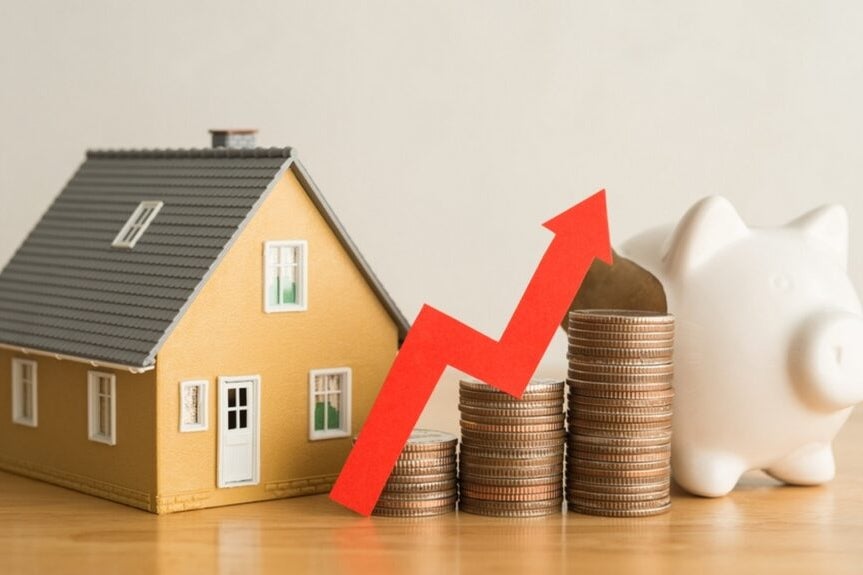
Housing Market Shifts: The Impact of Surging Mortgage Rates on Demand
As the average 30-year mortgage rate has recently surpassed 7%, the housing market is undergoing significant transformations. This surge in mortgage rates has led to a notable decline in demand, raising critical questions about the future of homebuying and affordability in an evolving economic landscape. Understanding these shifts is essential for potential buyers, sellers, and industry stakeholders alike.
The Current State of Mortgage Rates
The increase in mortgage rates has been driven by a combination of factors, including inflation, Federal Reserve policies, and overall economic uncertainty. In recent months, the Federal Reserve has taken measures to combat inflation by raising interest rates, directly impacting mortgage rates. The average 30-year fixed mortgage rate, which many homeowners rely on, has now crossed the 7% threshold, a level not seen in over two decades.
This rise in rates has a cascade effect on the housing market. Higher mortgage rates mean higher monthly payments for potential homebuyers, which can significantly strain budgets. For instance, a buyer looking at a $300,000 home with a 3% interest rate would pay around $1,265 monthly in principal and interest. However, at a 7% interest rate, that monthly payment jumps to approximately $1,996, adding an extra $731 to the budget each month.
Demand Decline: A Closer Look
The increase in mortgage rates has led to a sharp decline in demand for homes. According to various reports, home sales have dropped significantly, with many buyers opting to postpone their purchases. The National Association of Realtors noted that existing home sales fell by nearly 20% year-over-year, reflecting a market that is becoming increasingly unaffordable for many.
- Potential Buyers Hesitating: Many potential buyers are now hesitant to enter the market due to the fear of overextending themselves financially.
- First-Time Buyers Affected: First-time homebuyers, who often rely on lower mortgage rates to make homeownership feasible, are finding themselves priced out of the market.
- Investors Pulling Back: Investors are also reconsidering their strategies, as the return on investment may not justify the higher financing costs.
Impact on Home Prices
With demand declining, the natural question arises: how will this shift affect home prices? In many regions, home prices have started to stabilize or even decline as sellers adjust their expectations. The market is responding to the decreased pool of buyers, leading to a more balanced environment after years of rapid price appreciation.
However, the impact on home prices varies widely by region. In areas where demand remains strong, particularly in urban centers with limited inventory, prices may hold steady or even increase. Conversely, in suburban or rural areas where demand has softened, sellers may need to reduce prices to attract buyers.
The Future of Homebuying and Affordability
As the housing market shifts, the future of homebuying and affordability hangs in the balance. Several factors will influence how this landscape evolves:
- Economic Conditions: The broader economic environment, including job growth and wage increases, will play a crucial role in determining whether people can afford to buy homes.
- Federal Reserve Policies: If the Federal Reserve continues to raise interest rates, mortgage rates may climb even higher, further dampening demand.
- Alternative Financing Options: Potential buyers may seek alternative financing options, such as adjustable-rate mortgages (ARMs) or government-backed loans that offer lower initial rates.
Strategies for Buyers and Sellers
Given the current market conditions, both buyers and sellers must adapt their strategies to navigate the shifting landscape effectively. Here are some tips:
For Buyers:
- Be Financially Prepared: Assess your budget and understand how rising rates impact your purchasing power.
- Consider Timing: While the market may seem daunting, waiting for potential price declines could be beneficial. However, be wary of missing out on opportunities.
- Explore Various Financing Options: Look into different mortgage products that may offer better rates or terms suited to your situation.
For Sellers:
- Price Competitively: Be realistic about pricing your home, as overpricing can lead to extended time on the market.
- Highlight Unique Features: Make your home stand out by emphasizing its unique features and benefits that may attract buyers.
- Be Flexible: Consider flexible showing times and be open to negotiations to make your property more appealing.
Conclusion
The housing market is indeed experiencing significant shifts as surging mortgage rates impact demand and affordability. While this may seem daunting for buyers and sellers alike, understanding the dynamics at play can lead to informed decisions. As the market adjusts, opportunities may arise for those who are prepared and willing to adapt.
In this evolving landscape, it’s crucial to remain optimistic and proactive. Whether you’re considering buying your first home or selling your property, staying informed and flexible will be key to navigating the challenges ahead. The real estate market is cyclical, and with every shift comes new opportunities for growth and success.
See more CCTV News Daily