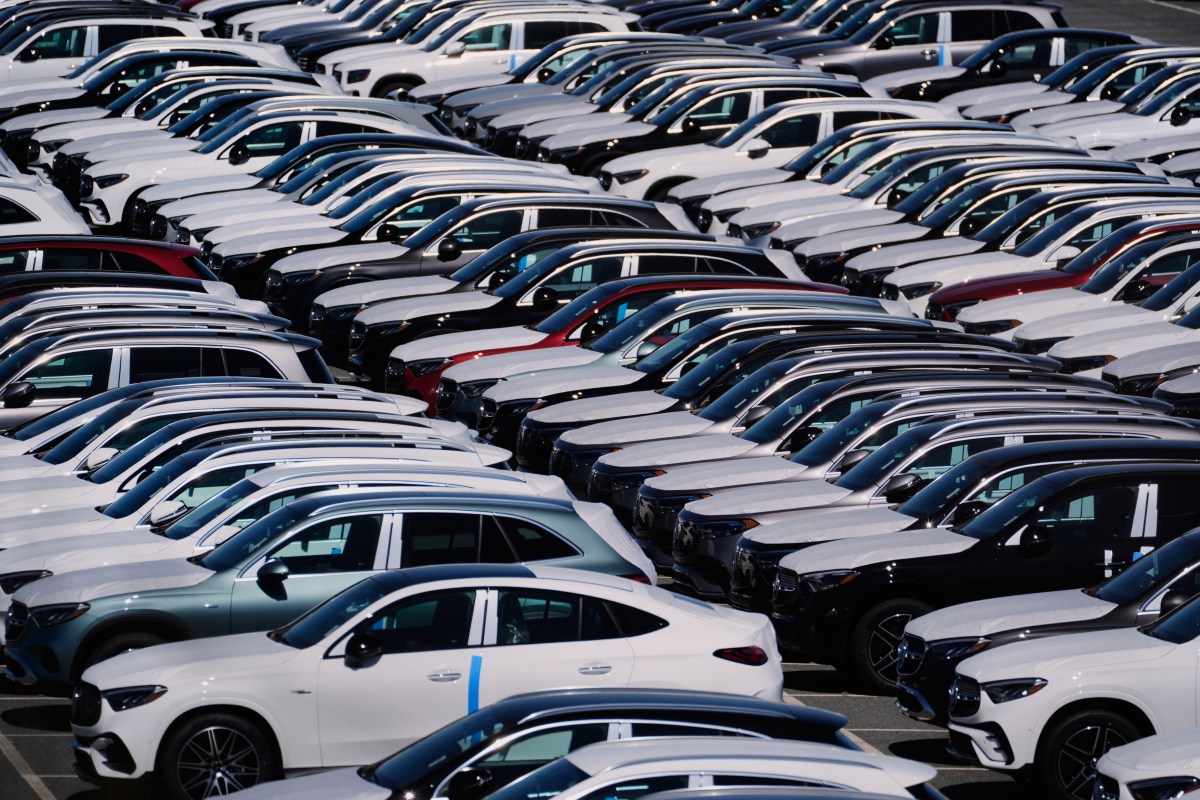
New 25% Tax on Imported Vehicles: What You Need to Know
The United States has implemented a sweeping 25% tariff on imported vehicles, effective immediately, in a move that will significantly impact car buyers, dealerships, and manufacturers. The policy, announced by the Biden administration, aims to bolster domestic auto production but has sparked debate over potential price hikes and market disruptions. Here’s how the new tax will reshape the automotive landscape.
Why the New Tariff Was Introduced
The 25% tax on imported vehicles marks the latest effort to incentivize local manufacturing and reduce reliance on foreign auto imports. According to the White House, the measure seeks to protect American jobs and strengthen the domestic supply chain. “This tariff is a strategic step to ensure the U.S. remains competitive in the global auto industry,” said Treasury Secretary Janet Yellen in a press briefing.
However, critics argue the policy could backfire. “While the intent is laudable, such a steep tariff may lead to higher consumer prices and limited choices,” cautioned David Peterson, an automotive economist at the Brookings Institution. Data from the International Trade Commission shows imported vehicles account for nearly 22% of U.S. sales, suggesting widespread repercussions.
Immediate Effects on Car Prices and Availability
The tariff’s most visible impact will be on sticker prices. Popular imported models like the Toyota RAV4, Honda Civic, and BMW X5 could see price jumps of $5,000 to $15,000, depending on their base cost. Dealerships are bracing for a slowdown in demand. “We’re already fielding calls from worried customers,” said Maria Gonzalez, a sales manager at a Los Angeles dealership. “Many are reconsidering their purchase plans.”
Key implications for consumers include:
- Higher upfront costs: Imported vehicles will become significantly more expensive.
- Longer wait times: Some brands may delay shipments to reassess U.S. demand.
- Shift to used cars: Buyers may turn to the pre-owned market to avoid tariffs.
How Automakers Are Responding
Major manufacturers are scrambling to adapt. Toyota and Volkswagen have hinted at potential price adjustments, while luxury brands like Mercedes-Benz may absorb some costs to maintain customer loyalty. Meanwhile, Ford and GM stand to benefit from reduced competition. “This could be a turning point for domestic automakers,” noted industry analyst Rachel Carter.
Some companies are exploring workarounds, such as increasing local production. Tesla, for instance, already manufactures most of its U.S.-sold vehicles domestically, shielding it from the tariff’s impact. Conversely, brands reliant on imports, such as Subaru and Hyundai, face tougher decisions.
Broader Economic and Political Implications
The tariff has ignited a political firestorm. Proponents argue it aligns with broader “America First” economic policies, while opponents warn of trade retaliation. The European Union has threatened counter-tariffs on U.S. goods, risking a broader trade war. “The ripple effects could extend far beyond the auto sector,” warned Peterson.
Economists also point to potential inflationary pressures. With transportation costs already elevated, the new tax could exacerbate supply chain bottlenecks, further straining consumers’ wallets.
What’s Next for Buyers and the Industry?
In the short term, experts advise buyers to act quickly if considering an imported vehicle, as prices are expected to rise within weeks. Long-term, the tariff may accelerate a shift toward electric vehicles (EVs), many of which are produced domestically due to federal incentives.
The Biden administration has signaled openness to exemptions for certain vehicles, particularly EVs and hybrids, but details remain unclear. For now, stakeholders across the industry are watching closely. “This is just the beginning of a larger conversation about trade and manufacturing,” said Carter.
Stay informed: Follow updates from the Department of Commerce and consult local dealerships for the latest pricing and inventory changes.
See more CCTV News Daily