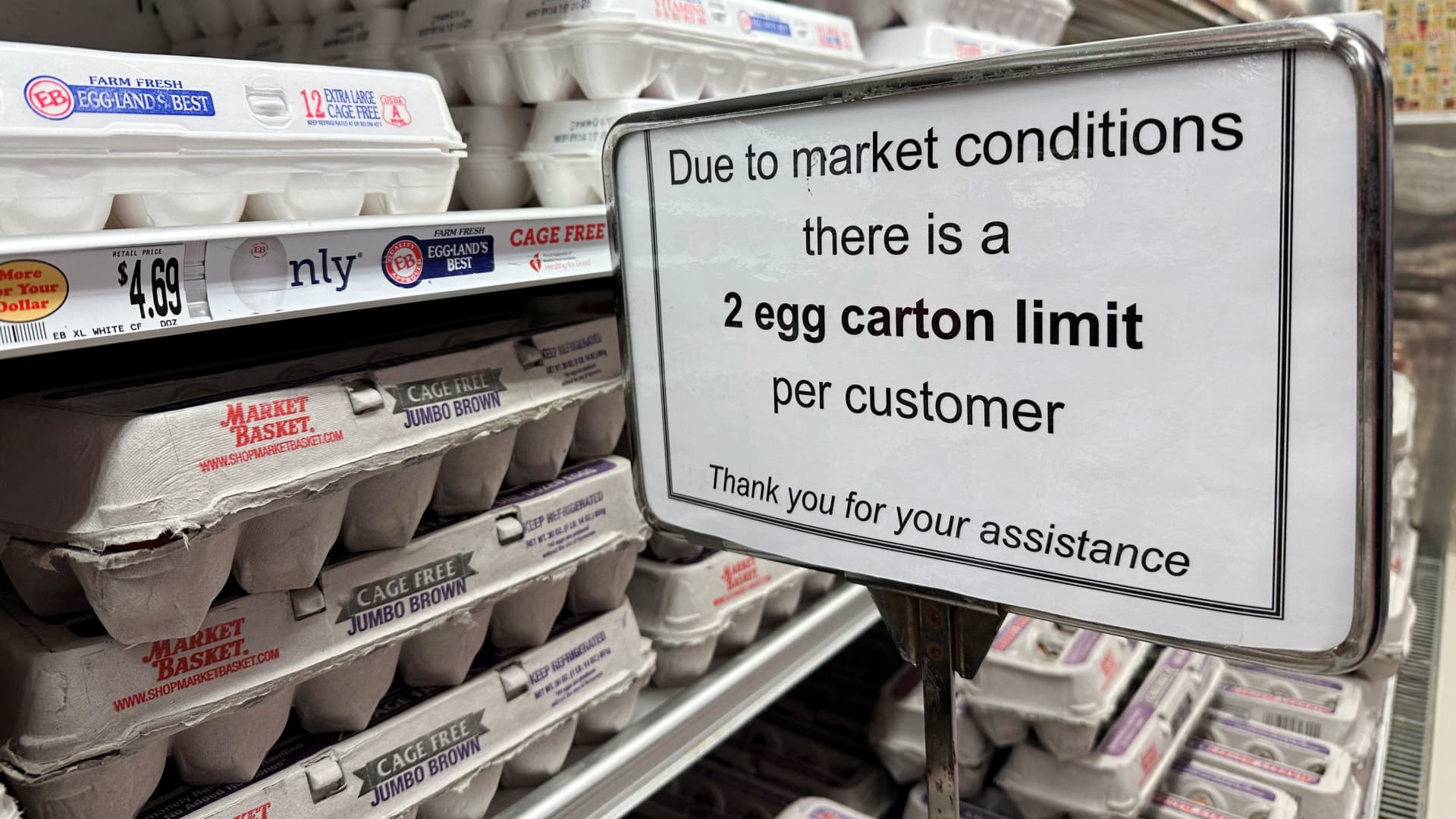
Consumers Brace for Inflation Surge: Understanding the Economic Landscape of 2024
As the U.S. economy continues to recover from the turmoil of the pandemic, consumers are bracing for an inflation surge that is expected to impact wallets significantly in 2024. The rising cost of living has become a central concern for American households, as inflation has begun to reshape spending habits and financial planning across the nation. In this article, we will delve into the factors driving these inflationary perceptions, explore the implications for consumers, and offer insights on navigating the economic landscape in the coming year.
What’s Driving Inflation Concerns?
The concerns about inflation are not unfounded. Several interrelated factors contribute to the current economic climate, leading consumers to worry about their financial future. Here are some key drivers:
- Supply Chain Disruptions: The pandemic exposed vulnerabilities in global supply chains, leading to shortages of goods and services. This disruption has resulted in increased costs for manufacturers, which, in turn, have passed those costs onto consumers.
- Energy Prices: Fluctuations in energy prices, particularly oil and gas, have a direct impact on inflation. As energy prices rise, so do transportation and production costs, contributing to higher prices for everyday goods.
- Labor Market Dynamics: A tight labor market has led to wage increases in many sectors. While higher wages are generally positive for workers, they can also lead to increased costs for businesses that may be reflected in consumer prices.
- Government Spending: Significant government stimulus and spending to support the economy during the pandemic have raised concerns about long-term inflation. As the economy heats up, the excess money in circulation could lead to increased demand, further driving up prices.
The Impact on Household Budgets
As inflation concerns rise, many consumers are reevaluating their household budgets. Here’s how inflation impacts spending habits:
- Prioritizing Necessities: With prices for essentials like food, housing, and healthcare on the rise, many families are prioritizing these necessities, often at the expense of discretionary spending.
- Shifting to Value Brands: Consumers are increasingly seeking value by opting for generic or store-brand products instead of premium brands to save money.
- Cutting Back on Non-Essentials: Dining out, entertainment, and luxury purchases are seeing a decline as consumers tighten their belts in response to rising costs.
Financial Planning in an Inflationary Environment
As consumers brace for inflation surge, it is crucial for households to adapt their financial planning strategies. Here are some tips for navigating these challenges:
1. Reevaluate Your Budget
Now is the time to take a close look at your budget. Identify areas where you can cut back on spending and redirect those funds toward essential expenses. Creating a detailed budget can help you maintain control over your finances in uncertain times.
2. Build an Emergency Fund
An emergency fund is more critical than ever. Aim to save three to six months’ worth of living expenses to provide a cushion against unexpected costs or job loss. With inflation, having cash reserves can offer peace of mind.
3. Invest Wisely
Consider investing in assets that typically keep pace with inflation, such as real estate or commodities. Diversifying your investment portfolio can also help mitigate risks associated with inflation.
4. Monitor Interest Rates
As inflation rises, interest rates are likely to follow suit. Keep an eye on mortgage rates and other loans, as refinancing could save you significant amounts if rates are still low.
5. Stay Informed
Stay updated on economic trends and inflation forecasts. Understanding the broader economic landscape can help you make informed decisions about spending and investing.
What Lies Ahead for Consumers in 2024?
The outlook for consumers in 2024 remains uncertain, but there are several key trends and predictions that could shape the economic landscape:
- Continued Inflationary Pressures: Experts predict that inflation may continue to rise in certain sectors, particularly in food and energy, as global supply chains gradually stabilize.
- Potential Recession: Some economists caution that if inflation persists, the Federal Reserve may implement aggressive interest rate hikes, which could slow down economic growth and potentially lead to a recession.
- Consumer Sentiment: The perception of inflation can significantly influence consumer spending. If consumers feel optimistic about their financial situation, they may be more willing to spend, potentially stimulating the economy.
Conclusion: Preparing for an Uncertain Future
As consumers brace for an inflation surge in 2024, it’s essential to approach financial planning with a proactive mindset. By understanding the factors driving inflation and their implications for household budgets, families can take steps to mitigate the impact on their wallets. While the future may hold uncertainties, informed financial decisions and strategic planning can help navigate the challenges ahead.
Ultimately, consumers have the power to adapt and thrive in an evolving economic landscape. By staying informed and adjusting spending habits, households can weather the storm of inflation and emerge more resilient in the face of change.
See more CCTV News Daily