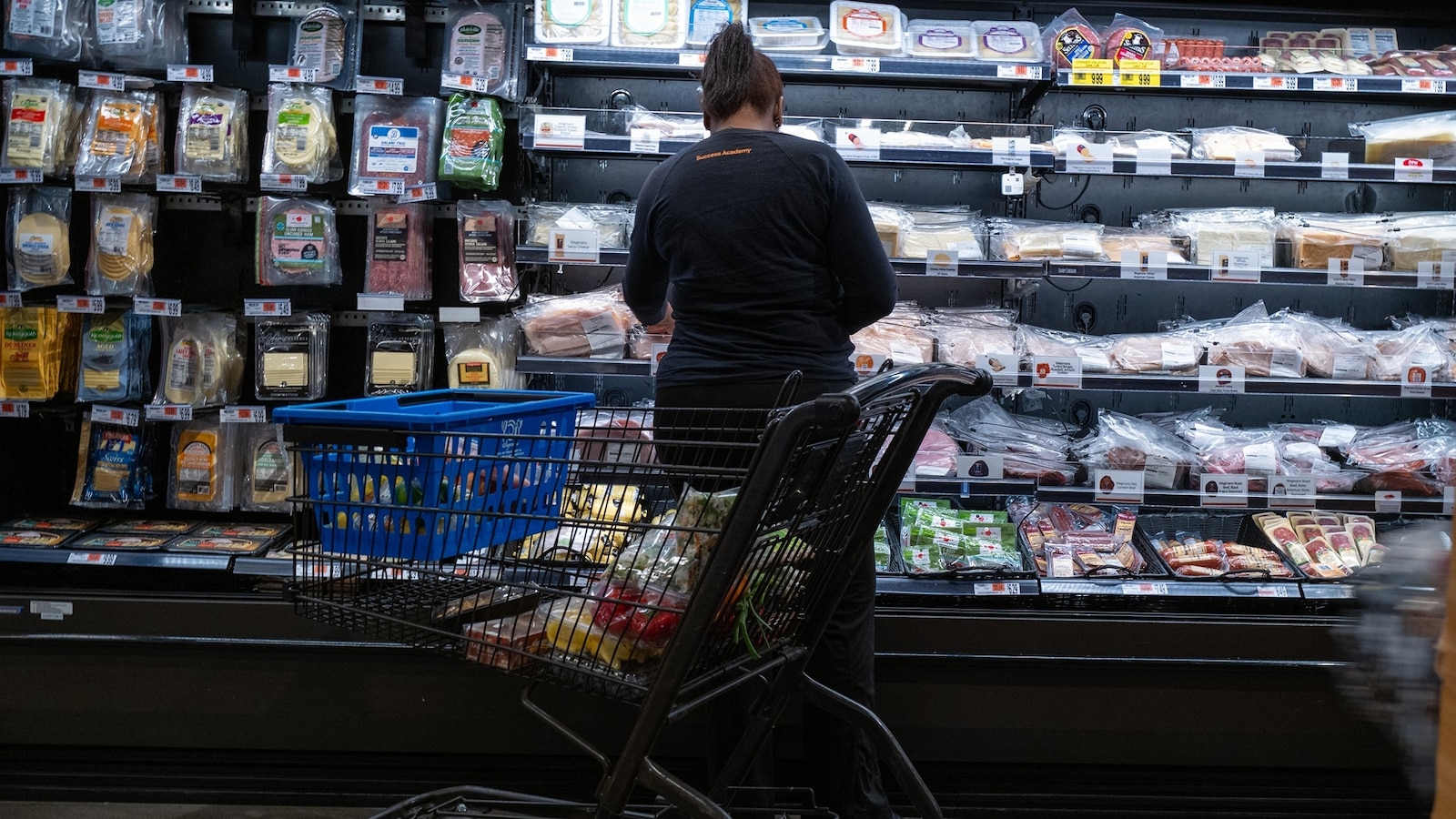
Unraveling the Price Paradox: Why Some Costs Remain High Amid Falling Inflation
Despite inflation rates cooling to 3.2% in the U.S. as of October 2023—down sharply from 9.1% in June 2022—many consumers face sticker shock at grocery stores, auto repair shops, and healthcare providers. Economists call this disconnect the “price paradox,” where certain expenses defy broader trends due to supply chain disruptions, labor shortages, and corporate pricing strategies. Here’s why your wallet might not feel relief yet.
The Inflation Dip vs. Stubborn Prices: A Closer Look
While the Consumer Price Index (CPI) shows moderation in headline inflation, categories like food services (+6.6% annually), motor vehicle insurance (+19.2%), and childcare (+9.2%) outpace the average. The Federal Reserve’s aggressive rate hikes tamed demand for housing and electronics, but other sectors remain immune. “Inflation is like a balloon—squeeze one area, and pressure shifts elsewhere,” explains Dr. Lena Whitaker, a senior economist at the Brookings Institution. “Structural imbalances keep certain prices elevated even as monetary policy takes effect.”
Key Factors Driving the Price Paradox
1. Labor Market Tightness
With unemployment hovering near a 50-year low at 3.8%, businesses face higher wage demands. Restaurants, hospitals, and skilled trades pass these costs to consumers. For example, average hourly earnings rose 4.1% year-over-year, per the Bureau of Labor Statistics (BLS).
2. Supply Chain Bottlenecks
Global shipping costs have normalized, but localized shortages persist. Auto repairs are pricier due to delayed parts shipments, while climate-related crop losses (e.g., olive oil, up 47% globally) strain food supplies. The New York Fed’s Global Supply Chain Pressure Index, though down 75% from its peak, remains volatile.
3. “Sticky” Service Sector Inflation
Services—which constitute 60% of the CPI—are slower to adjust than goods. “Once companies raise prices for labor-intensive services like education or insurance, they rarely backtrack,” notes Mark Chen, a pricing strategist at Deloitte. This creates a lag effect even as commodity prices fall.
Corporate Pricing Power: A Hidden Culprit?
Critics argue that some industries exploit inflationary psychology to pad profits. A 2023 study by Groundwork Collaborative found corporate profit margins accounted for 53% of price growth since 2020. “Firms with limited competition, like broadband providers or airlines, have leverage to keep prices high,” says consumer advocate Rachel Torres. However, the U.S. Chamber of Commerce counters that input costs—from energy to wages—justify current pricing.
Regional and Demographic Disparities
The burden isn’t uniform. Rural areas face steeper fuel and healthcare markups, while urban renters grapple with housing costs (up 7.2% nationally). Low-income households spend 77% of their budget on inflexible categories like food and utilities, per the BLS, leaving little wiggle room.
Economists predict targeted relief in 2024 as supply chains heal and wage growth stabilizes. However, climate change, geopolitical risks, and an aging workforce could prolong the paradox. Consumers are adapting—42% now prioritize discounts, according to a McKinsey survey—while policymakers debate antitrust reforms and price transparency laws.
Call to Action: Track your spending with apps like Mint or YNAB to identify areas where inflation hits hardest. Advocate for local price-gouging protections, and consider delaying non-essential purchases (e.g., used cars) until markets rebalance.
The price paradox underscores that inflation isn’t monolithic. While macroeconomic indicators improve, everyday affordability hinges on sector-specific dynamics—and patience as the economy recalibrates.
See more CCTV News Daily