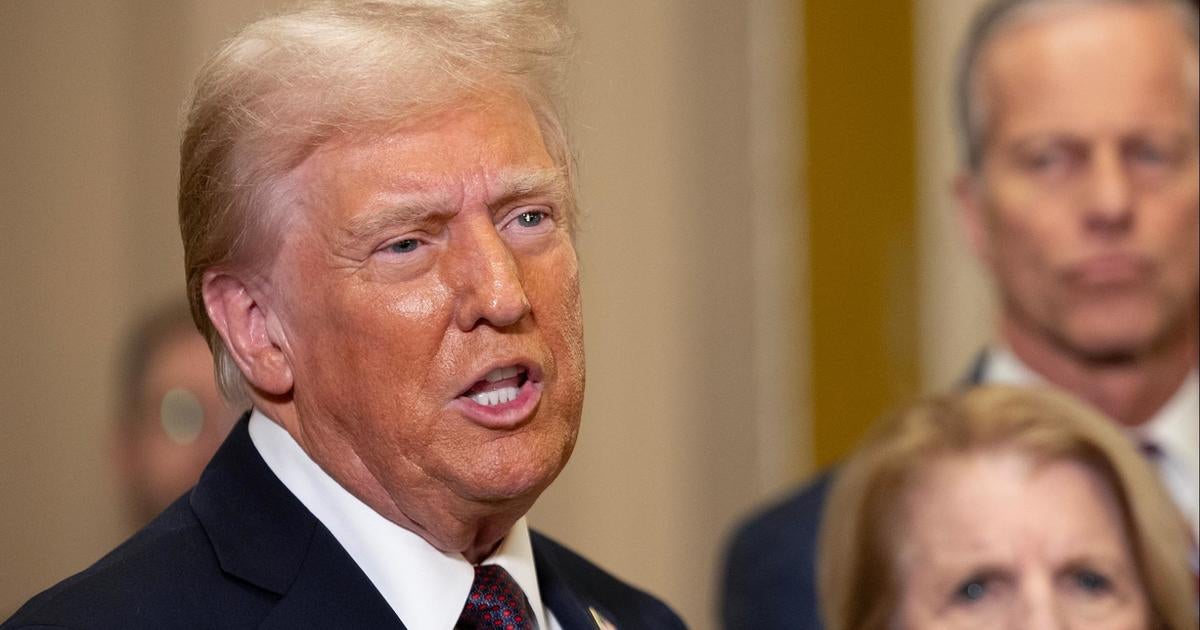
Trump Faces the Challenge of Record High Inflation as He Takes Office
As Donald Trump prepares to take the helm of the presidency, he’s confronted with a staggering challenge: a five-month high inflation rate that threatens to complicate his administration’s economic agenda. With inflation hovering at unprecedented levels, experts are weighing in on the potential ramifications this surge may have on Trump’s policies and, more importantly, on the American public. This article delves into the implications of record high inflation, examining its causes, effects, and the strategic responses that the Trump administration may consider.
Understanding the Inflation Landscape
Inflation, in simple terms, refers to the rate at which the general level of prices for goods and services rises, eroding purchasing power. As Trump steps into office, he encounters an inflation rate that has surged to levels not seen in recent history. Several factors contribute to this phenomenon:
- Supply Chain Disruptions: The COVID-19 pandemic has wreaked havoc on global supply chains, leading to shortages of essential goods and increased costs.
- Stimulus Measures: The government’s economic stimulus packages have injected significant amounts of money into the economy, which, combined with pent-up consumer demand, has created upward pressure on prices.
- Energy Prices: Fluctuations in oil and gas prices, driven by geopolitical tensions and production decisions from OPEC, have contributed to rising costs for transportation and heating.
These factors create a complex economic environment for Trump as he seeks to implement his policies and fulfill his campaign promises. Experts suggest that inflation could redefine the economic landscape during his presidency.
The Economic Challenges Ahead
Trump’s administration will need to consider the implications of inflation across various sectors of the economy:
Consumer Spending and Confidence
High inflation typically dampens consumer confidence. When prices rise, households may cut back on spending, which can lead to a slowdown in economic growth. With many Americans relying on fixed incomes, the rising cost of necessities such as food and fuel will strain budgets across the nation.
Interest Rates and Borrowing Costs
To combat inflation, the Federal Reserve may decide to increase interest rates. Higher rates can lead to increased borrowing costs for consumers and businesses, which can stifle investment and spending. This could, in turn, lead to a potential recession, complicating Trump’s efforts to stimulate the economy.
Potential Policy Responses from Trump’s Administration
Confronted with these challenges, the Trump administration will need to devise effective strategies to tackle rising inflation. Here are several approaches that may be considered:
- Supply Chain Initiatives: Addressing supply chain bottlenecks through investment in infrastructure and domestic production could help alleviate some of the inflationary pressures.
- Tax Policies: Reevaluating tax policies to incentivize production and investment could stimulate growth and help manage inflation.
- Energy Independence: Focusing on energy independence through domestic oil and gas production may stabilize energy prices, reducing one of the key drivers of inflation.
Each of these strategies carries its own set of risks and rewards, and implementing them will require careful consideration and bipartisan cooperation.
Public Sentiment and Political Ramifications
The impact of inflation on public sentiment cannot be overstated. High inflation often leads to dissatisfaction among voters, which can influence electoral outcomes. Trump’s ability to address these economic challenges will be crucial in maintaining public support.
Voter Concerns
As inflation affects daily life, voters are likely to voice their concerns. Issues such as rising grocery prices and increased energy costs become focal points in public discourse. If Trump can effectively communicate a plan to tackle inflation and demonstrate tangible results, he may bolster his approval ratings.
Long-Term Economic Vision
Moreover, Trump will need to articulate a long-term economic vision that reassures the public about the administration’s commitment to stability and growth. This vision should encompass measures to combat inflation while promoting job creation and economic expansion.
Expert Insights on Inflation’s Future
Economists and financial analysts are closely monitoring inflation trends and the potential effectiveness of government interventions. Many suggest that while short-term measures may provide relief, long-term solutions are necessary to ensure sustainable economic growth.
- Fiscal Responsibility: Experts emphasize the need for fiscal responsibility to avoid exacerbating inflation through excessive government spending.
- Market Confidence: Maintaining market confidence is crucial. Investors are likely to react to inflation data, influencing stock prices and economic activity.
As Trump assumes office, he must navigate these complexities, balancing immediate needs with long-term economic health. The collaboration between the administration and Congress will play a vital role in shaping effective responses to inflation.
Conclusion: A Path Forward
In summary, as Trump faces the challenge of record high inflation upon taking office, the stakes are significant. The interplay between consumer spending, interest rates, and public sentiment will shape the economic landscape. By adopting strategic policies to address inflation while fostering growth, Trump’s administration can potentially mitigate the adverse effects of rising prices on the American public.
Ultimately, the success of any administration hinges on its ability to adapt to evolving economic realities. Trump’s response to inflation will not only define his presidency but also impact the daily lives of millions of Americans. Transparency, effective communication, and decisive action will be key as he charts a course through this economic tempest.
See more CCTV News Daily